



Bone health: what helps keep bones strong at any age
NHS pages link bone health to weight-bearing exercise, calcium, vitamin D, not smoking and keeping alcohol low.
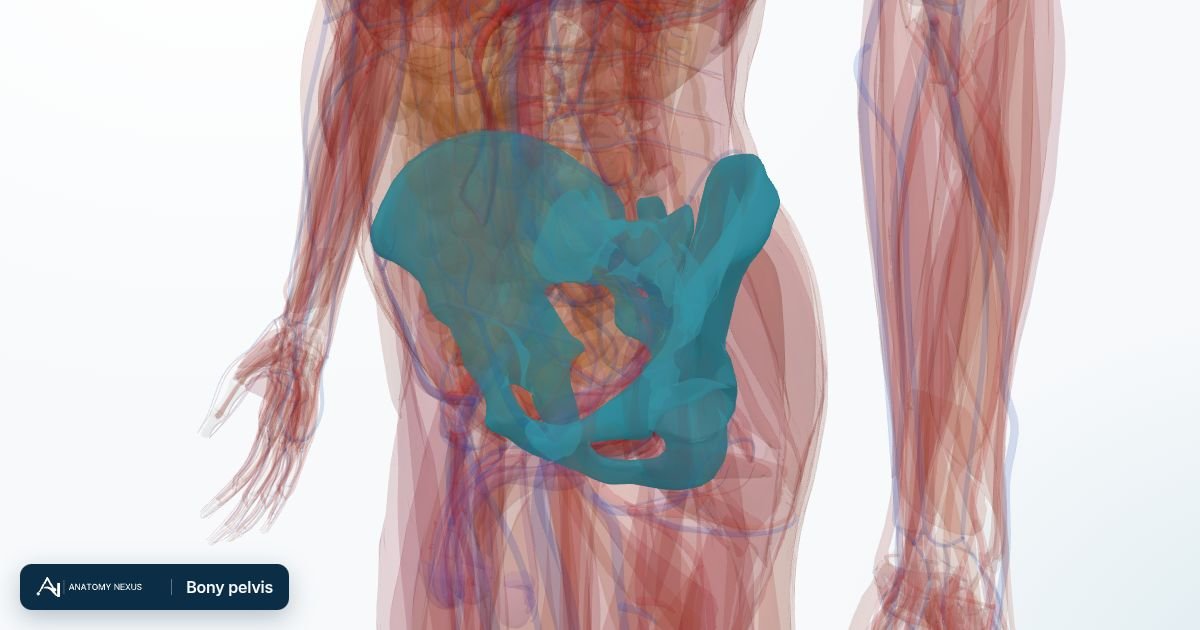
Key points
- NHS guidance describes weight-bearing and resistance exercise as particularly important for bone strength.
- Calcium is important for bone health, and vitamin D helps the body absorb calcium.
- Being inactive, having a low body weight, smoking and heavy drinking are listed as risk factors for weaker bones.
- The NHS advises adults aged 65 and over to include strength and balance activities on at least two days a week.
What helps keep bones strong?
NHS guidance describes weight-bearing and resistance exercise as particularly important for improving bone density. Running, skipping, dancing, aerobics and jumping are named as higher-impact examples that strengthen muscles, ligaments and joints. Swimming and cycling support general fitness but are not weight-bearing, so they do less for the bones. Lack of physical activity is listed as a risk factor for osteoporosis.
What do calcium and vitamin D do?
The NHS says most adults should be able to get the calcium they need from their daily diet. Vitamin D helps the body absorb calcium, and the NHS says it can be difficult to get enough vitamin D from food alone, so a daily supplement may be considered. Sunlight from about late March or early April to the end of September helps the body make vitamin D, and the NHS suggests considering a daily vitamin D supplement.
What raises the risk of weaker bones?
Osteopenia is the stage of bone loss before osteoporosis, and being underweight is listed among the risk factors for bone loss. Smoking and heavy drinking are also listed, and one source gives the low-risk alcohol guidance of less than 14 units a week. The Royal Osteoporosis Society says too much salt may increase the amount of calcium lost in urine.
What changes after 65?
NHS guidance for people aged 65 and over advises activities that improve strength, balance and flexibility on at least two days a week. It also advises 150 minutes (2 and a half hours) of moderate-intensity activity a week, ideally spread across the days. NHS 111 Wales suggests that people diagnosed with osteoporosis talk to a GP or health specialist before starting a new exercise programme. A DEXA bone density scan is often used to help diagnose osteoporosis or to assess the risk of it.
More guides and news
- DXA bone density scan: what it shows Guide · 3 November 2026
- Osteoarthritis and rheumatoid arthritis Guide · 3 November 2026
- Falls in older people and reducing the risk Guide · 3 November 2026
- How much exercise adults need each week Guide · 3 November 2026