



Exercise and physical activity
Also known as: physical activity, fitness, strength training, aerobic exercise, cardio
Movement is the single intervention that improves almost every organ system at once: it strengthens the heart, lowers blood pressure and blood sugar, builds muscle and bone, lifts mood and sleep, and cuts the risk of the commonest causes of death by a quarter or more.
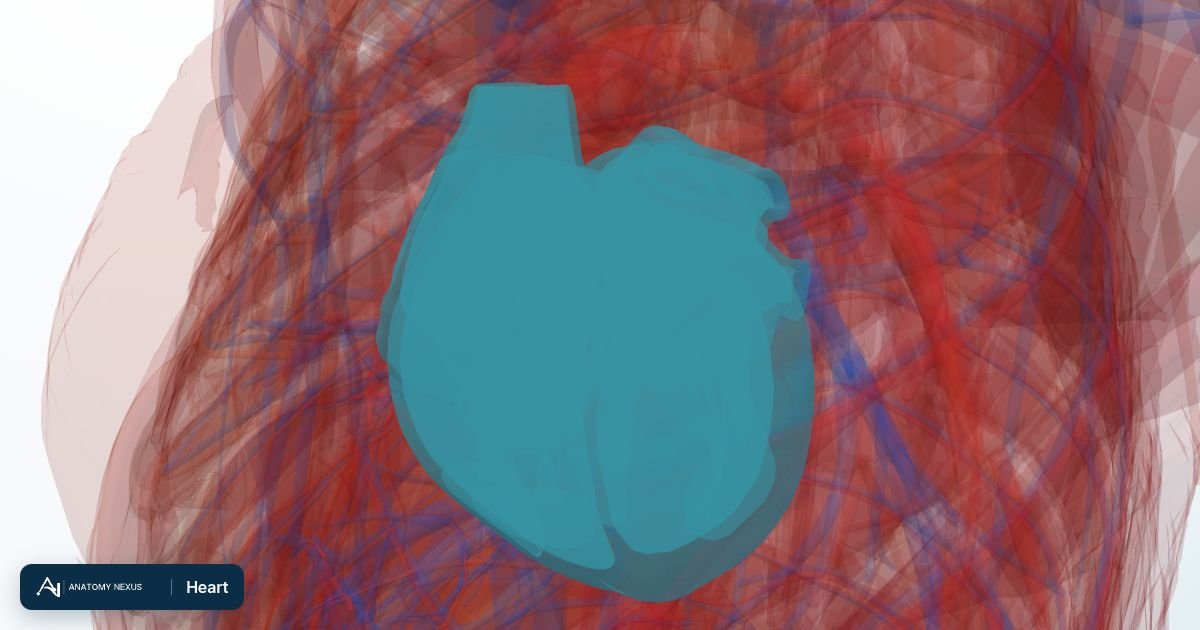
Aerobic activity (walking, cycling, swimming, running) trains the heart to pump more per beat, so resting heart rate falls and the same effort costs less. Capillaries multiply in muscle, mitochondria increase, and the muscles' ability to take up glucose without insulin improves within a single session, which is why activity is a treatment for type 2 diabetes.
Strength training loads muscle and bone. Muscle fibres thicken in response to progressive overload; bone responds to impact and pulling by laying down more mineral, the only lifestyle measure that reliably builds bone density. After the age of 30, adults lose 3-8% of muscle mass per decade unless they resist it, and that loss drives falls, frailty and loss of independence in old age.
Activity also acts on the brain: it raises BDNF and blood flow to the hippocampus, improves memory and attention, is as effective as medication for mild to moderate depression, and lowers dementia risk. Sitting for long periods is a risk factor independent of exercise, so breaking up sitting matters too.
Effects on the body
| System | Effect |
|---|---|
| Heart | Lower resting heart rate and blood pressure, higher stroke volume, better coronary blood flow; 20-35% lower risk of coronary disease |
| Endocrine | Improved insulin sensitivity, lower HbA1c, 30-40% lower risk of type 2 diabetes |
| Muscles | Hypertrophy and strength; preserved mass and function with age |
| Skeleton | Higher bone density and lower fracture risk with weight-bearing and resistance exercise |
| Nervous system | Better mood, sleep and cognition; lower risk of depression and dementia |
| Lymphatic & immune | Lower risk of bowel, breast and other cancers, partly via weight, insulin and inflammation |
Guidance
- Adults: at least 150 minutes of moderate activity (brisk walking, where you can talk but not sing) or 75 minutes of vigorous activity per week, spread across the week
- Muscle-strengthening activity on at least 2 days a week, working all major groups
- Over 65: add balance and strength work (tai chi, dancing, stairs) to reduce falls
- Minimise long periods of sitting; any movement is better than none, and benefits start well below the target
- Children 5-17: 60 minutes a day, including vigorous and bone-strengthening activity