



Symptom · Back & spine
Back pain
Also known as: low back pain, lumbago
Pain in the spine or the muscles beside it, most often the lower back. Nine in ten episodes are 'non-specific': a strain of the muscles, ligaments and small joints that settles within weeks. Persistent, progressive or nerve-related pain needs closer assessment.
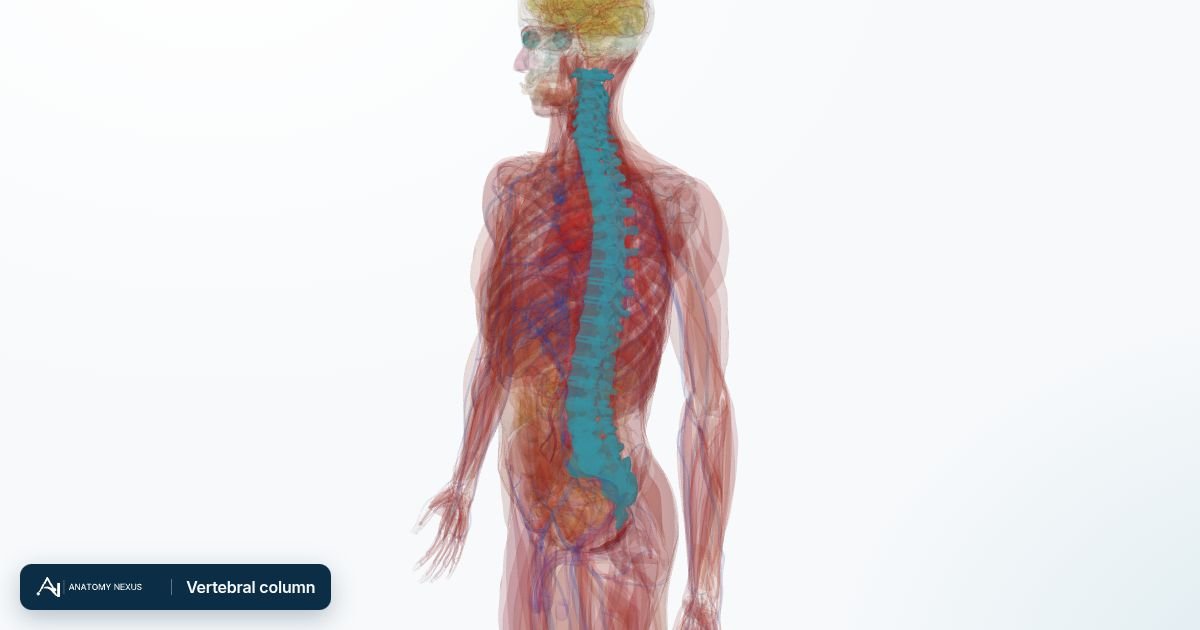
What it is
Pain in the spine or the muscles beside it, most often the lower back. Nine in ten episodes are 'non-specific': a strain of the muscles, ligaments and small joints that settles within weeks. Persistent, progressive or nerve-related pain needs closer assessment.
Common causes
Non-specific mechanical back painMuscle and ligament strain from lifting, posture or sudden movement; worse with movement, better with gentle activity.
Sciatica from a slipped (herniated) discPain shooting down the buttock and leg below the knee, sometimes with numbness or weakness.
Degenerative disc and facet joint diseaseStiffness and ache that worsen with age and inactivity.
Spinal stenosisLeg pain and heaviness on walking, relieved by sitting or leaning forward.
Less common causes
Vertebral fractureSudden pain after a fall, or in osteoporosis after minimal strain.
Infection of the spine or discsConstant pain with fever and night sweats, often with diabetes or intravenous drug use.
Cancer spread to the spineUnremitting night pain, weight loss, a known cancer.
Inflammatory back pain (ankylosing spondylitis)Morning stiffness lasting over an hour in a young adult, better with exercise.
Kidney stones, pyelonephritis or aortic aneurysmBack pain from organs rather than the spine.
Often occurs with
Seek urgent care if
- Numbness around the buttocks or genitals, difficulty passing or controlling urine or stool, or weakness in both legs: possible cauda equina syndrome, an emergency
- Back pain after significant trauma
- Back pain with fever, unexplained weight loss or a history of cancer
- Severe pain with a pulsating abdominal mass or collapse
Conditions to read about
How it is investigated
Educational content. This page explains what a symptom can mean so that the anatomy and the medical reasoning make sense. It cannot tell you what is causing yours: only a clinician who can examine you and order tests can do that.