



Body weight
Also known as: obesity, BMI, waist circumference, weight loss, overweight
Body fat is an active endocrine organ. Excess fat, particularly around the abdominal organs, releases inflammatory signals and free fatty acids that make tissues resistant to insulin, raise blood pressure and cholesterol, load the joints and narrow the airway in sleep. Losing 5-10% of body weight measurably improves all of these.
Energy balance is regulated by the hypothalamus, which reads leptin from fat stores, insulin, and gut hormones such as ghrelin (hunger, from the stomach) and GLP-1 (fullness, from the small intestine). Modern food environments overwhelm these signals with energy-dense, highly palatable food and reduced movement; genetics sets how strongly each person's appetite responds. Weight is therefore not simply willpower, and biology fights weight loss by increasing hunger and lowering energy expenditure.
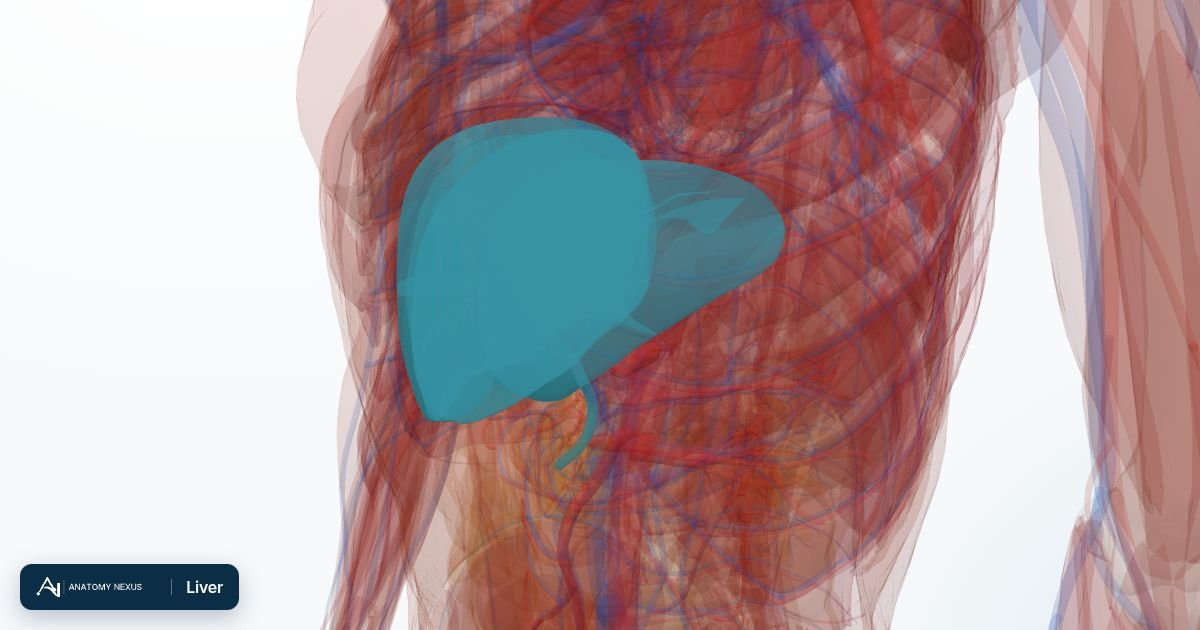
Where fat sits matters more than how much. Visceral fat packed around the liver, pancreas and intestines drains straight into the portal vein and drives fatty liver, insulin resistance and inflammation; fat under the skin of the hips is metabolically quieter. Waist circumference above 94 cm in men or 80 cm in women marks raised risk, and BMI thresholds are lower in South Asian and some other populations.
Weight loss of 5-10% reduces blood pressure, HbA1c and liver fat, eases knee pain and sleep apnoea, and a 15 kg loss can put type 2 diabetes into remission in about half of people within six years of diagnosis. Sustainable approaches combine reduced energy intake, protein and fibre to preserve fullness, resistance exercise to keep muscle, sleep and behavioural support; GLP-1 medicines and bariatric surgery act on the same hormone pathways for those with obesity-related disease.
Effects on the body
| System | Effect |
|---|---|
| Endocrine | Insulin resistance, type 2 diabetes, polycystic ovary syndrome; reversed in part by weight loss |
| Arteries | Higher blood pressure and LDL, more coronary disease and stroke |
| Joints & ligaments | Each kilogram of body weight adds about 4 kg of load across the knee when walking; osteoarthritis risk rises steeply |
| Digestive | Fatty liver disease (now the commonest liver condition), gallstones, reflux, and higher risk of bowel, liver and oesophageal cancer |
| Respiratory | Obstructive sleep apnoea and breathlessness from reduced lung volumes |
Guidance
- Know your numbers: BMI (weight in kg divided by height in m squared; 25-30 overweight, over 30 obesity, lower cut-offs of 23 and 27.5 for South Asian, Chinese, Black African and Middle Eastern backgrounds) and waist circumference
- Aim first for 5-10% loss over 3-6 months, about 0.5-1 kg a week, through a sustained energy deficit of around 600 kcal a day
- Prioritise protein, vegetables and fibre; cut sugary drinks, alcohol and ultra-processed snacks; keep regular meals
- Combine with 150 minutes of activity and twice-weekly strength work to protect muscle; sleep 7-9 hours
- Seek structured support (group programmes, dietitian); medication or surgery are options for obesity with related disease, prescribed and monitored by specialists