

High blood pressure (hypertension)
Also known as: hypertension, raised blood pressure
Persistently raised arterial pressure, usually defined as 140/90 mmHg or more in the clinic (135/85 on home readings).
Overview
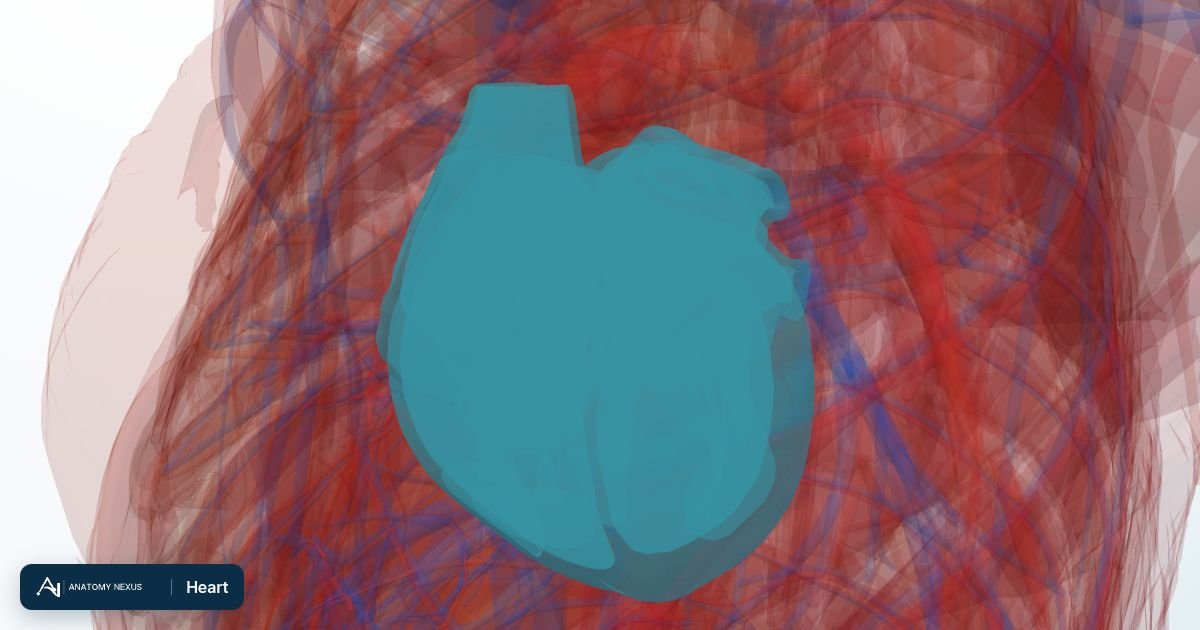
High blood pressure rarely causes symptoms but silently damages arteries, heart, brain, kidneys and eyes over years. It affects around one adult in three and is the single biggest contributor to stroke and heart disease worldwide. Treatment is cheap and effective, yet half of those affected do not know they have it.
Causes
- Primary (essential) hypertension in over 90%: genes, salt, weight, alcohol, inactivity, age
- Secondary causes in the rest: kidney disease, adrenal tumours, narrowed renal arteries, sleep apnoea, some drugs (NSAIDs, steroids, the pill), pregnancy
Risk factors
- Family history
- High salt intake
- Obesity
- Alcohol
- Inactivity
- Age
- Black African or Caribbean ancestry
Symptoms
What a clinician may find
- Usually none; very high pressure can show retinal changes, an enlarged heart or kidney damage
Complications
- Stroke
- Heart attack and heart failure
- Chronic kidney disease
- Aortic aneurysm and dissection
- Retinopathy and vision loss
- Vascular dementia
Diagnosis
Repeated readings in clinic confirmed by home or 24-hour ambulatory monitoring. Blood and urine tests, an ECG and eye examination look for organ damage and secondary causes.
Treatment
Lifestyle first: less salt, weight loss, exercise, less alcohol. Drugs when readings stay high or risk is raised: ACE inhibitors or ARBs, calcium-channel blockers, thiazide-like diuretics, added stepwise; most people need two or more.
Prevention
A diet rich in fruit, vegetables and low in salt, regular activity, healthy weight, moderate alcohol and no smoking.
When to seek care
A reading above 180/120 with headache, chest pain, breathlessness, vision change or confusion is a hypertensive emergency.