



Beta-1 adrenergic receptor
Also known as: β1 receptor, beta-1 adrenoceptor, ADRB1
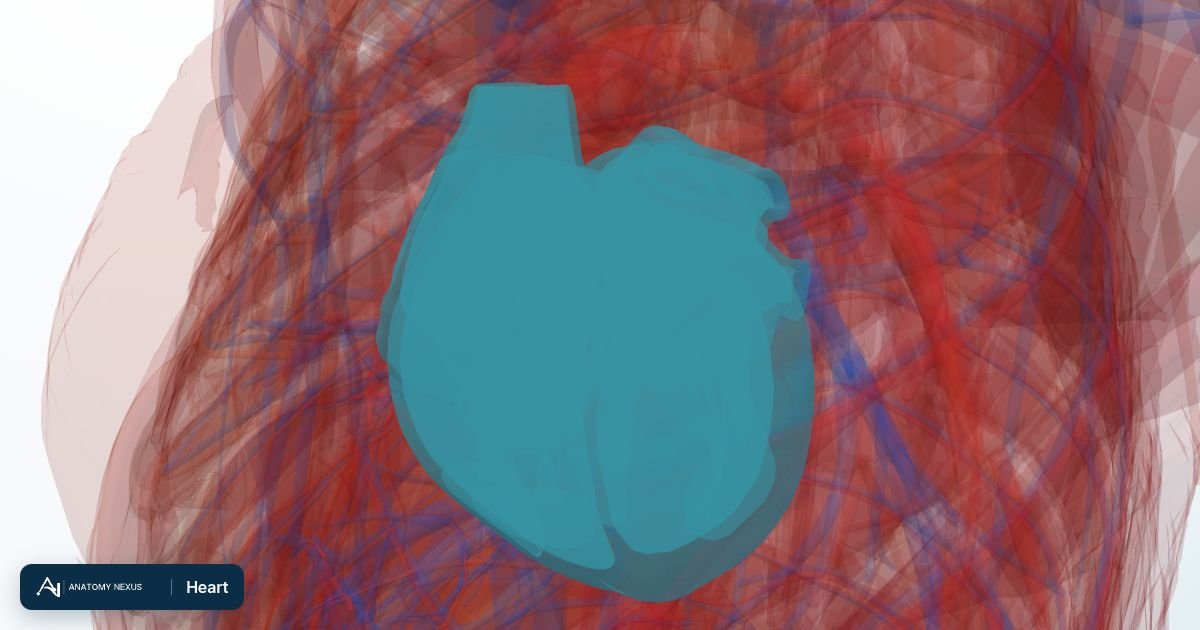
The receptor in heart muscle and the heart's pacemaker tissue through which adrenaline and noradrenaline speed the heart and strengthen its contraction. Beta blockers occupy it to slow the heart, lower its oxygen demand and protect it after a heart attack and in heart failure.
- Kind
- receptor
- Also called
- β1 receptor, beta-1 adrenoceptor, ADRB1
- Where it is found
- Sinoatrial and atrioventricular nodes, atrial and ventricular myocardium, and the juxtaglomerular cells of the kidney.
What it does
Sympathetic nerves and the adrenal medulla act on the heart through beta-1 receptors on the sinoatrial node (faster rate), the atrioventricular node (faster conduction) and the muscle of the atria and ventricles (stronger contraction and faster relaxation). Beta-1 receptors on the kidney's juxtaglomerular cells also release renin. Blocking them reduces heart rate and contractility, which cuts the heart's oxygen consumption (the basis of angina relief), suppresses abnormal rhythms, lowers blood pressure partly through less renin, and in chronic heart failure protects the myocardium from sustained sympathetic overdrive. Cardioselective beta blockers such as bisoprolol and metoprolol prefer beta-1 over the beta-2 receptors of the airways, though selectivity is relative and asthma remains a caution. Sudden withdrawal after long use can rebound with tachycardia and angina because the receptors have become more numerous.
Role in the body
Increases heart rate, conduction velocity and contractility in response to catecholamines; stimulates renin release.