



Blood pressure
The pressure blood exerts on artery walls: systolic at the peak of ejection, diastolic between beats.
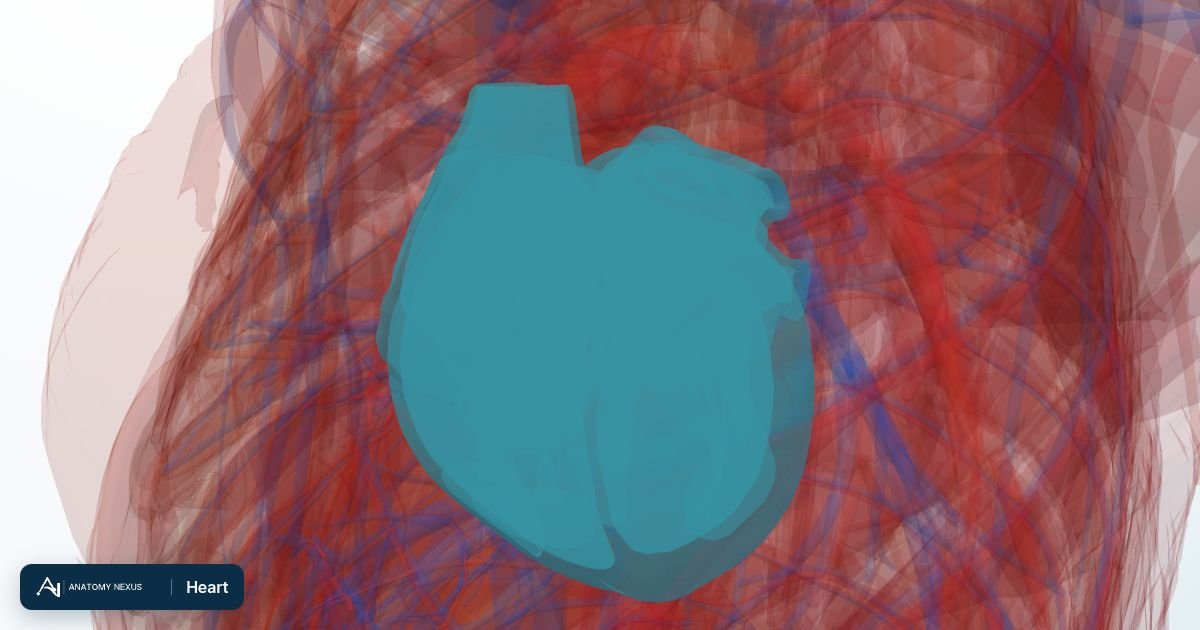
Blood pressure depends on how much blood the heart pumps each minute (cardiac output) and how hard it is to push that blood through the small arteries (peripheral resistance). The elastic aorta smooths the pulse; the muscular arterioles set resistance and are the main site of control.
Baroreceptors in the carotid sinus and aortic arch report pressure to the brainstem, which adjusts heart rate and vessel tone within seconds. Over hours and days the kidneys take over, adjusting salt and water excretion through the renin-angiotensin-aldosterone system.
Blood pressure is written as systolic over diastolic in millimetres of mercury. Values around 120/80 mmHg are typical; sustained readings of 140/90 mmHg or more define hypertension in most guidelines.
Key facts
| Fact | Value |
|---|---|
| Typical adult | ≈120/80 mmHg |
| Hypertension threshold (clinic) | ≥140/90 mmHg |
| Mean arterial pressure | diastolic + ⅓ pulse pressure |