



Drug class · Arteries
Nitrates
Also known as: nitrovasodilators
Vasodilators that relieve angina within minutes by relaxing veins and coronary arteries. Available as a spray for attacks and as long-acting tablets for prevention.
- Biological target
- Guanylate cyclase in vascular smooth muscle via nitric oxide
- Also called
- nitrovasodilators
Mechanism of action
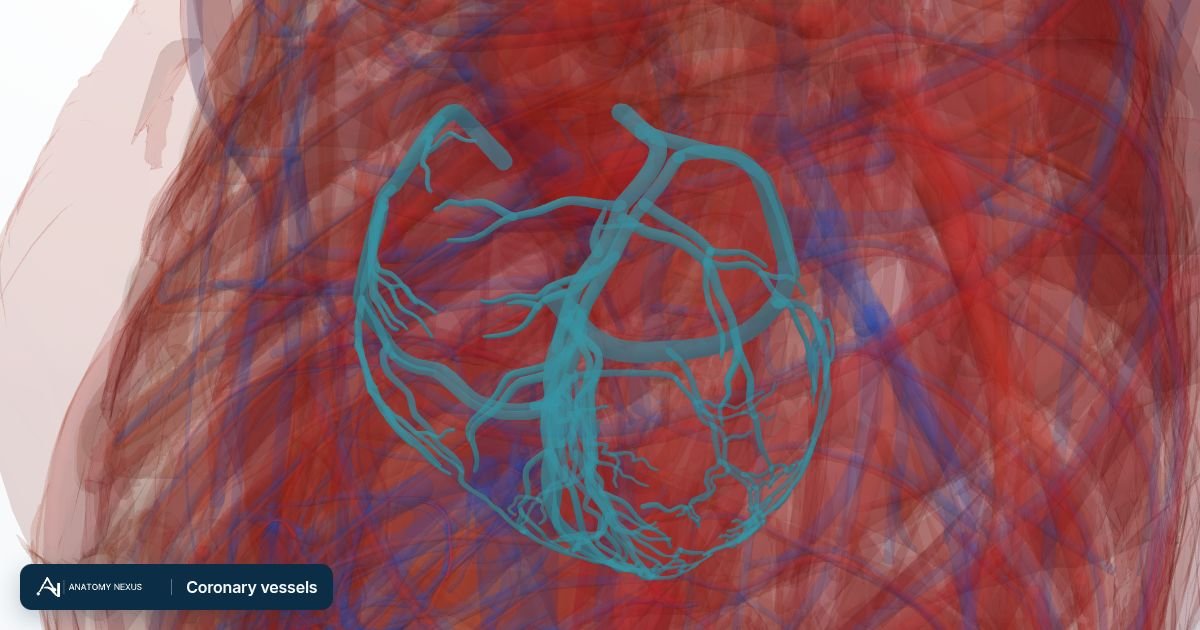
Nitrates release nitric oxide inside vascular smooth muscle, which raises cyclic GMP and relaxes the vessel. Veins dilate most, so less blood returns to the heart and its workload and oxygen demand fall; coronary arteries and collaterals widen, improving supply to ischaemic muscle. Continuous exposure causes tolerance, so long-acting preparations are timed to leave a nitrate-free interval each day.
Members of the class
Members with a page on this site are linked.
Conditions treated
Class effects
- Throbbing headache, flushing
- Dizziness and fainting from low blood pressure
Cautions
- Dangerous drop in pressure with sildenafil and similar drugs
- Chest pain not relieved by two doses five minutes apart may be a heart attack: call emergency services
- Severe aortic stenosis and very low blood pressure
Class warnings
- Headache, flushing and postural hypotension are common; tolerance develops with continuous exposure, so long-acting nitrates are given with a nitrate-free interval. UK
- Contraindicated with phosphodiesterase-5 inhibitors (sildenafil, tadalafil) because of profound hypotension, and in severe aortic stenosis, hypotension and hypertrophic cardiomyopathy. UK
Class interactions
| With | Effect | Source |
|---|---|---|
| Sildenafil, tadalafil, vardenafil | Severe, potentially fatal hypotension; contraindicated. | UK |
| Other vasodilators, alcohol | Additive hypotension and fainting. | UK |
Open the Drug Interaction Checker
Educational content. A drug class page describes what a family of medicines has in common. Individual medicines differ in dose, licensing and interactions; treatment choices belong to a prescriber.