



Coronary artery disease
Also known as: coronary heart disease, ischaemic heart disease, angina
Narrowing of the coronary arteries by fatty plaque (atherosclerosis), limiting blood flow to the heart muscle.
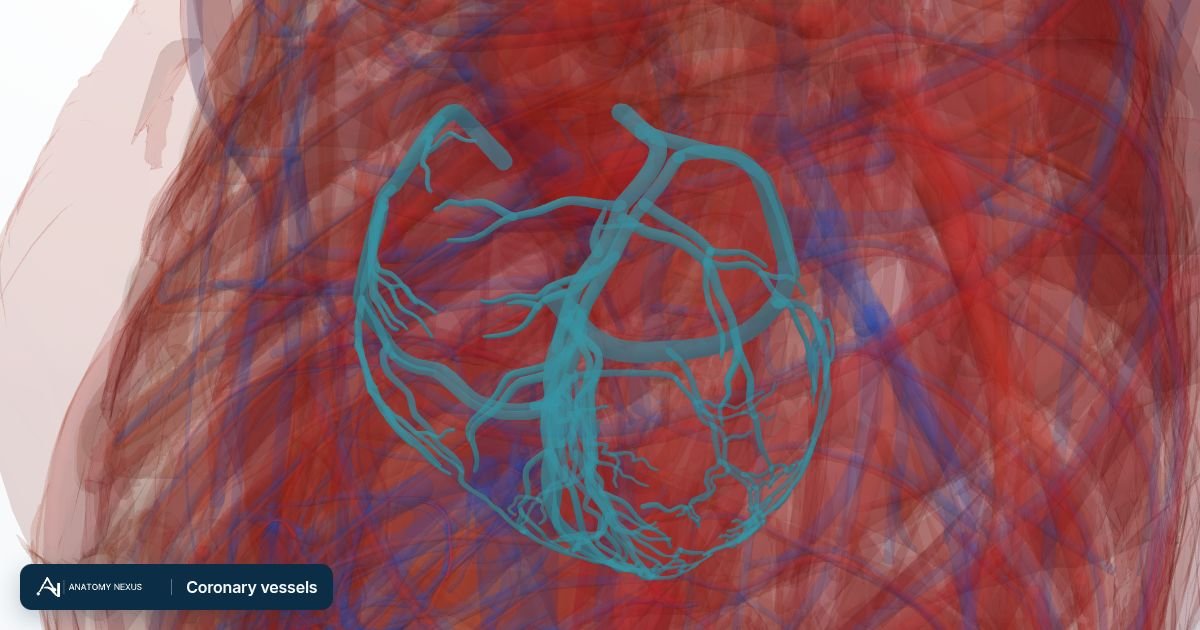
Overview
Plaque builds up over decades in the arteries that supply the heart. When a narrowing limits flow during exertion the muscle becomes short of oxygen and signals this as angina; when a plaque ruptures and a clot blocks the artery, the result is a heart attack. It is the leading cause of death worldwide, and largely preventable.
Causes
- Atherosclerosis: cholesterol-rich plaque forming in the artery wall, driven by inflammation
Risk factors
- Smoking
- High LDL cholesterol
- High blood pressure
- Diabetes
- Family history of early heart disease
- Age and male sex
- Obesity, inactivity, poor diet
- Chronic kidney disease
Symptoms
What a clinician may find
- Often none between attacks
- Signs of risk factors: high blood pressure, xanthelasma, nicotine staining
Complications
- Myocardial infarction
- Heart failure
- Arrhythmias and sudden cardiac death
Diagnosis
The story of exertional chest pressure relieved by rest is the key. An ECG may be normal at rest; a stress test, CT coronary angiography or invasive angiography shows the narrowings. Blood tests assess cholesterol, glucose and kidney function.
Treatment
Lifestyle change and medication for everyone: stop smoking, statins to lower LDL, aspirin to prevent clots, blood pressure and diabetes control, and drugs to relieve angina (nitrates, beta blockers). Significant narrowings can be opened with angioplasty and a stent or bypassed with surgery.
Prevention
Not smoking, regular exercise, a diet low in saturated fat and salt, healthy weight, and treating blood pressure, cholesterol and diabetes.
When to seek care
Call emergency services for chest pain lasting more than a few minutes, or angina that is new, more frequent or occurs at rest.