



LDL cholesterol
Also known as: LDL, LDL-C, low-density lipoprotein cholesterol, bad cholesterol
The cholesterol carried by low-density lipoprotein, the particle that deposits cholesterol in artery walls and drives atherosclerosis. The main target of statin treatment and the lipid value most closely tied to heart attack and stroke risk.
- Also known as
- LDL, LDL-C, low-density lipoprotein cholesterol, bad cholesterol
- Units
- mmol/L (UK) or mg/dL (US); usually calculated rather than measured directly
- Measured by
- Lipid profile
What it is and what it does
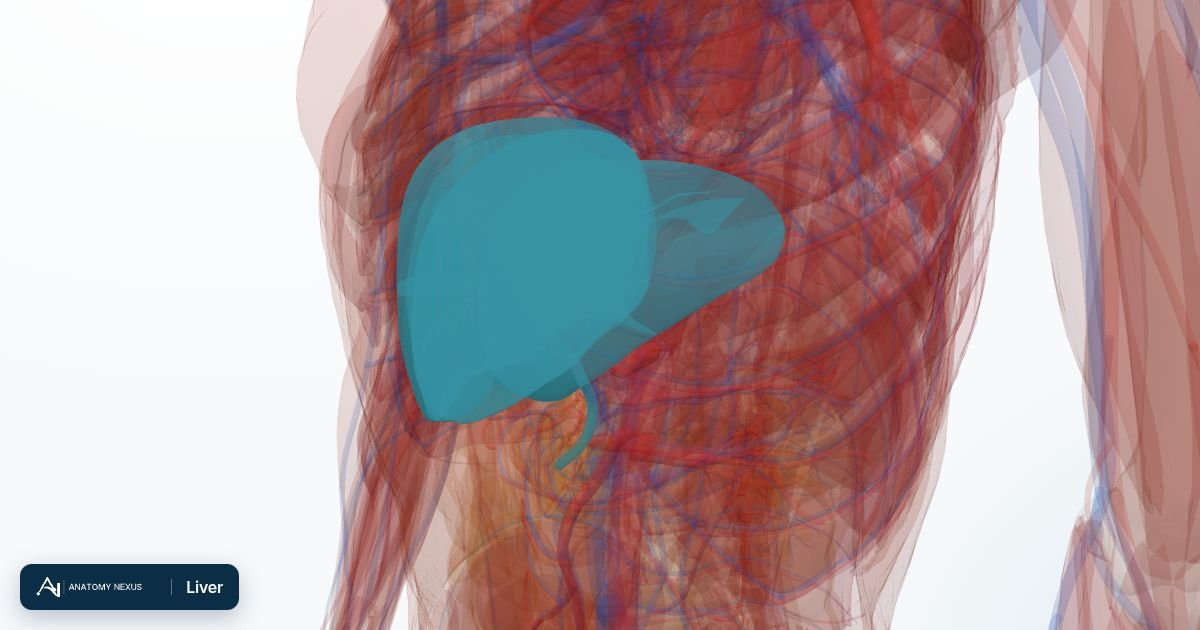
The liver packages triglycerides and cholesterol into VLDL particles; as tissues strip out the triglyceride, the particles shrink into cholesterol-rich LDL. LDL delivers cholesterol to cells through LDL receptors, but when particles are numerous or the artery wall is damaged they enter the wall, are oxidised and are engulfed by macrophages that become the foam cells of a fatty plaque. Statins lower LDL by making the liver display more LDL receptors. Laboratories usually calculate LDL from total cholesterol, HDL and triglycerides (the Friedewald equation), which becomes unreliable when triglycerides are high; non-HDL cholesterol (total minus HDL) avoids that problem and is the value UK guidance uses for treatment targets.
Why it may be higher
- Familial hypercholesterolaemia (very high levels from childhood, often with family history of early heart disease)
- Saturated-fat-rich diet, obesity, inactivity
- Hypothyroidism, nephrotic syndrome, cholestasis, diabetes
- Some medicines (corticosteroids, ciclosporin, some antipsychotics)
Why it may be lower
- Lipid-lowering treatment (statins, ezetimibe, PCSK9 inhibitors)
- Hyperthyroidism, malabsorption, severe illness, advanced liver disease
- Rare inherited disorders of lipoprotein synthesis
A high or low value can be associated with several different situations. The result is interpreted with other results, symptoms, history and clinical findings.
What can affect the result
- Very high triglycerides make the calculated LDL invalid
- Acute illness lowers the level for weeks
- Fasting state changes the triglyceride input to the calculation
Medicines that can change it
Each medicine page lists its effect on this marker under "Effects on tests and results", with the source.