



Type 2 diabetes
Also known as: adult-onset diabetes, T2D, diabetes mellitus
A metabolic disease in which the body's cells respond poorly to insulin (insulin resistance) and the pancreas gradually fails to compensate, leaving blood glucose persistently high.
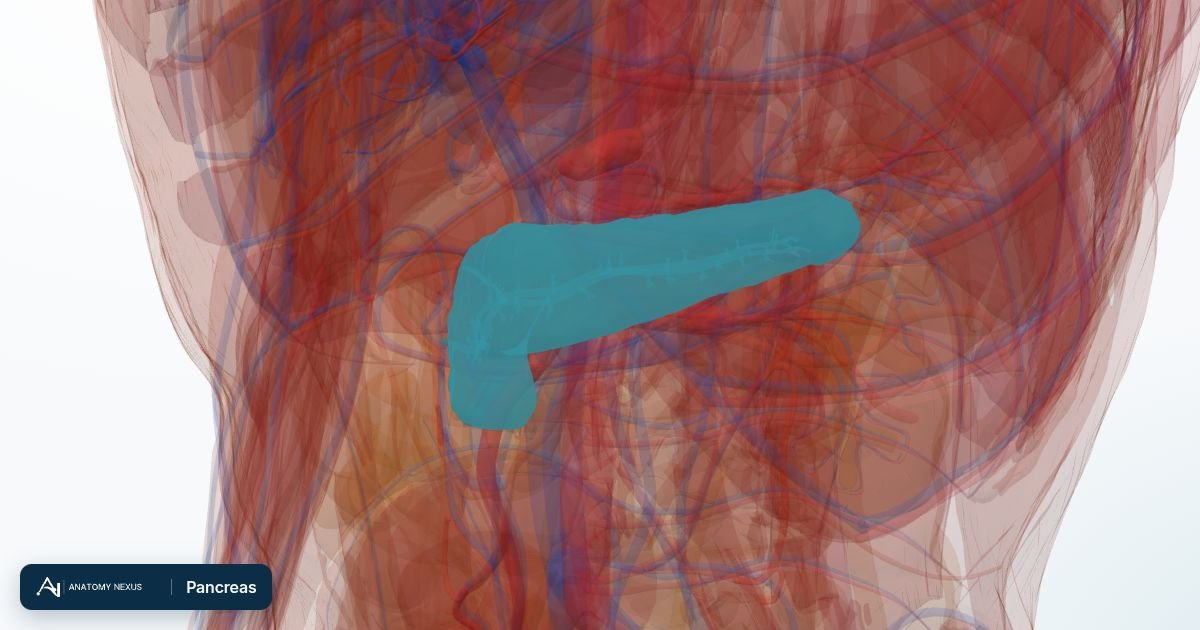
Overview
Type 2 diabetes accounts for over 90% of diabetes and is closely tied to excess weight and inactivity, though genes matter greatly. It develops silently over years; many people are diagnosed on a routine test or when a complication appears. Sustained weight loss early on can put it into remission.
Causes
- Insulin resistance from visceral fat and inactivity, plus progressive beta-cell failure, on a strong genetic background
Risk factors
- Overweight, especially around the waist
- Inactivity
- Family history
- Age over 40 (younger in South Asian, Black and Hispanic populations)
- Gestational diabetes, polycystic ovary syndrome
- High blood pressure and cholesterol
Symptoms
What a clinician may find
- Often none
- Central obesity, acanthosis nigricans
- Reduced foot sensation and pulses in established disease
- Retinal changes
Complications
- Heart attack and stroke
- Kidney failure
- Retinopathy and blindness
- Neuropathy, foot ulcers and amputation
- Fatty liver disease
- Hyperosmolar crisis
Diagnosis
HbA1c of 48 mmol/mol (6.5%) or more, or fasting glucose of 7 mmol/L or more, repeated if without symptoms. Annual checks of kidney function, urine albumin, eyes, feet, blood pressure and lipids.
Treatment
Diet, weight loss and activity are the foundation; metformin first, then SGLT2 inhibitors, GLP-1 agonists, DPP-4 inhibitors, sulfonylureas or insulin as needed; statins and blood pressure treatment reduce cardiovascular risk; structured education and foot care.
Prevention
Diet and exercise programmes halve the risk in people with prediabetes; keeping a healthy weight and staying active are the key measures.
When to seek care
Urgent care for very high glucose readings with drowsiness or confusion, a foot wound that is red, hot or discharging, sudden vision change, or chest pain.