



Pancreatitis
Also known as: acute pancreatitis, chronic pancreatitis
Inflammation of the pancreas, acute when its own enzymes are activated inside the gland, chronic when repeated injury leads to scarring and loss of function.
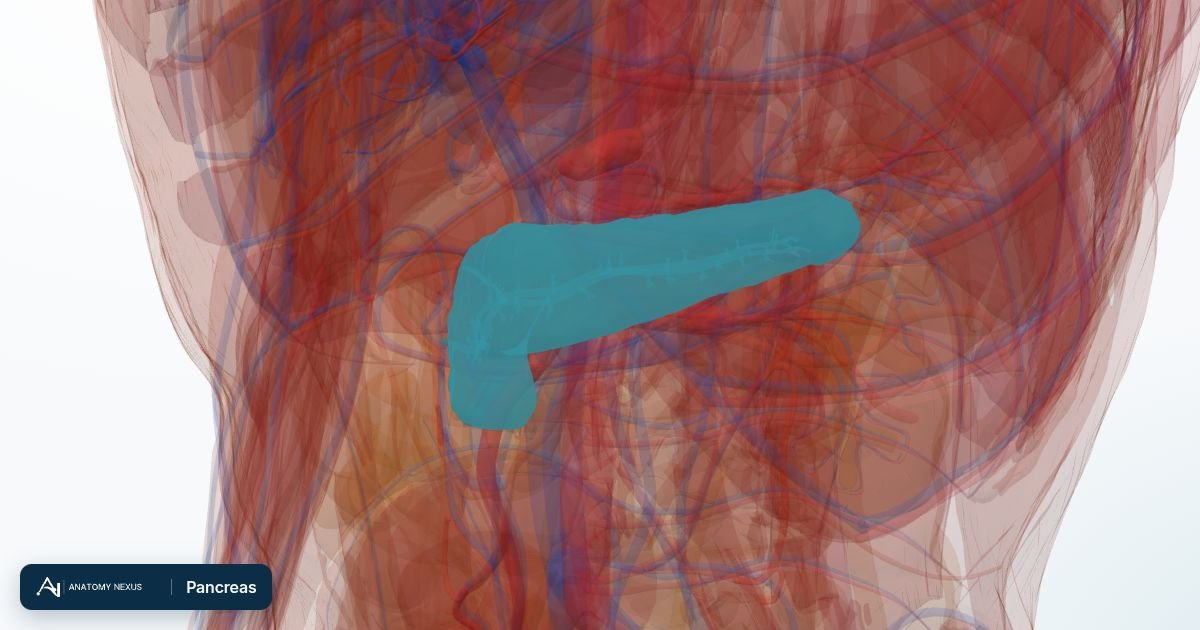
Overview
Gallstones and alcohol cause four in five cases of acute pancreatitis. Activated enzymes digest the gland and surrounding fat, and severe cases trigger a body-wide inflammatory response with organ failure. Most attacks are mild and settle in days; chronic pancreatitis causes lasting pain, malabsorption and diabetes.
Causes
- Gallstones blocking the duct
- Alcohol
- High triglycerides, high calcium
- Some drugs (azathioprine, valproate, thiazides)
- After ERCP
- Viral infections, trauma, genetic mutations
Risk factors
- Heavy drinking
- Gallstones
- Smoking (chronic pancreatitis)
- Obesity
Symptoms
What a clinician may find
- Severe epigastric tenderness
- Fast pulse, low blood pressure in severe disease
- Bruising of the flanks or around the navel in haemorrhagic cases
- Jaundice with a duct stone
Complications
- Pancreatic necrosis and infection
- Pseudocysts
- Organ failure and death in severe attacks
- Diabetes and malabsorption in chronic disease
- Pancreatic cancer risk in chronic pancreatitis
Diagnosis
Typical pain with a serum lipase or amylase more than three times normal; ultrasound for gallstones; CT after 48 to 72 hours if severe to assess necrosis; blood tests to score severity.
Treatment
Intravenous fluids, pain relief, early feeding when tolerated; ERCP to remove a duct stone with cholangitis; antibiotics and drainage for infected necrosis; cholecystectomy before discharge for gallstone pancreatitis. Chronic disease: stop alcohol and smoking, enzyme supplements, pain management, diabetes care.
Prevention
Moderate alcohol, treat gallstones once symptomatic, control triglycerides, stop smoking.
When to seek care
Emergency care for severe constant upper abdominal pain radiating to the back with vomiting, especially after alcohol or with known gallstones.