



Procedure · Endoscopic procedures
Gastroscopy
Also known as: upper endoscopy, OGD, oesophago-gastro-duodenoscopy, EGD, upper GI endoscopy
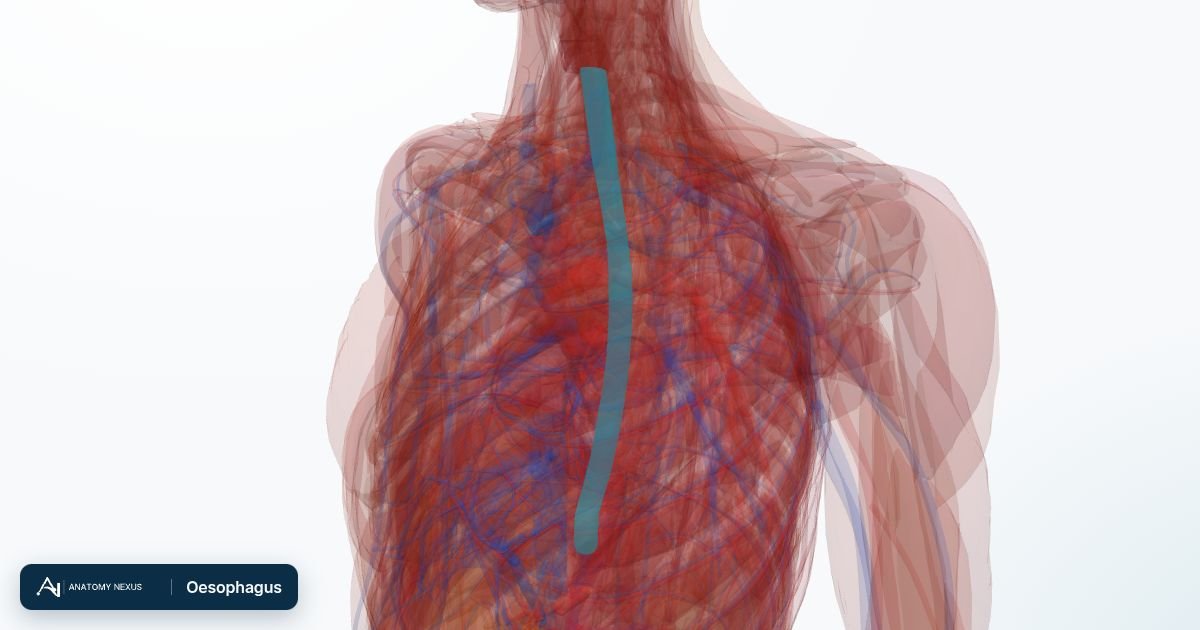
A thin flexible camera is passed through the mouth down the oesophagus, into the stomach and the first part of the small intestine, giving a direct view of the lining and allowing biopsies and treatment. It takes 5-15 minutes with throat spray or light sedation.
What it is
A thin flexible camera is passed through the mouth down the oesophagus, into the stomach and the first part of the small intestine, giving a direct view of the lining and allowing biopsies and treatment. It takes 5-15 minutes with throat spray or light sedation.
Why it is done
- Difficulty or pain on swallowing, persistent indigestion, especially over 55 or with weight loss
- Vomiting blood or black stools (urgent, to find and treat the bleeding point)
- Unexplained iron-deficiency anaemia
- Diagnosing coeliac disease, H. pylori, Barrett oesophagus; surveillance of ulcers and Barrett
- Treatment: stretching strictures, removing polyps, banding varices, placing feeding tubes and stents
Before the procedure
- Nothing to eat for 6 hours and clear fluids only until 2 hours before
- Stop acid-suppressing tablets for two weeks if testing for H. pylori or ulcers is the aim
- Blood thinners managed; a driver if sedated
Step by step
- Lying on the left side with a mouthguard; throat spray numbs the gullet, or sedation is given through a cannula
- The scope is swallowed over the back of the tongue and advanced under direct vision
- Air inflates the stomach for a clear view; the oesophagus, stomach and duodenum are inspected in turn
- Biopsies are taken painlessly with forceps through the scope; polyps removed, bleeding treated with clips, injections or heat
- The scope is withdrawn; the whole procedure is recorded
Afterwards
- Sore throat and bloating for a day
- Eat and drink once the throat spray has worn off (about an hour)
- No driving, alcohol or important decisions for 24 hours after sedation
- Biopsy results in one to two weeks
Recovery
Normal activities the same day (next day after sedation).
Risks
- Sore throat, bloating
- Bleeding after biopsy or polyp removal (small)
- Perforation of the oesophagus or stomach (about 1 in 3000, higher with stretching)
- Reaction to sedation, chest infection from aspiration (rare)
Alternatives
- Barium swallow or CT (no biopsies)
- Capsule endoscopy for the small bowel
- A trial of acid suppression in younger patients without alarm features
Educational content. A general description of how a procedure is usually done. Details vary between hospitals, surgeons and patients; the treating team explains the specifics and the consent.