



Gut motility
Coordinated waves of smooth muscle contraction (peristalsis) move contents along the tract, run by the gut's own nervous system and tuned by the vagus nerve and hormones.
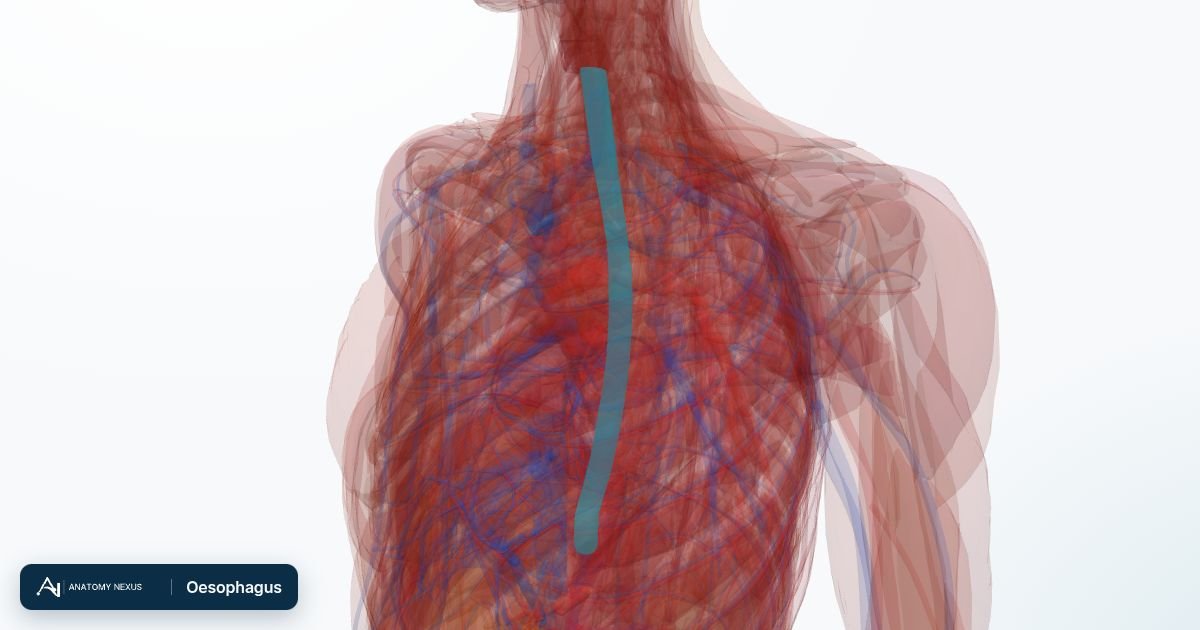
Swallowing is voluntary at the start, then reflex: the oesophagus carries a bolus to the stomach in about ten seconds, and the lower oesophageal sphincter relaxes to let it through and then closes to keep acid out. The stomach mixes with slow waves three times a minute; the small intestine segments to mix and propels to move; between meals a housekeeping wave sweeps residue toward the colon every 90 minutes or so.
The colon moves contents slowly, with a few strong mass movements a day, often after meals, that push stool into the rectum and trigger the urge to defecate. The internal anal sphincter relaxes automatically; the external sphincter and puborectalis are under voluntary control.
Motility disorders cause reflux, gastroparesis, constipation or irritable bowel symptoms; a mechanical block (obstruction) produces cramping pain, vomiting and absence of gas.
Key facts
| Fact | Value |
|---|---|
| Oesophageal transit | ≈10 s |
| Stomach slow waves | 3 /min |
| Whole-gut transit | 1–3 days |