



Nutrition
Also known as: diet, healthy eating, Mediterranean diet, fibre, salt, sugar
Food supplies energy, the building blocks for every tissue, and the vitamins and minerals that enzymes need. The pattern that best protects the heart, brain and gut across large studies is built on vegetables, fruit, whole grains, legumes, nuts, fish and olive oil, with little processed meat, refined sugar and salt.
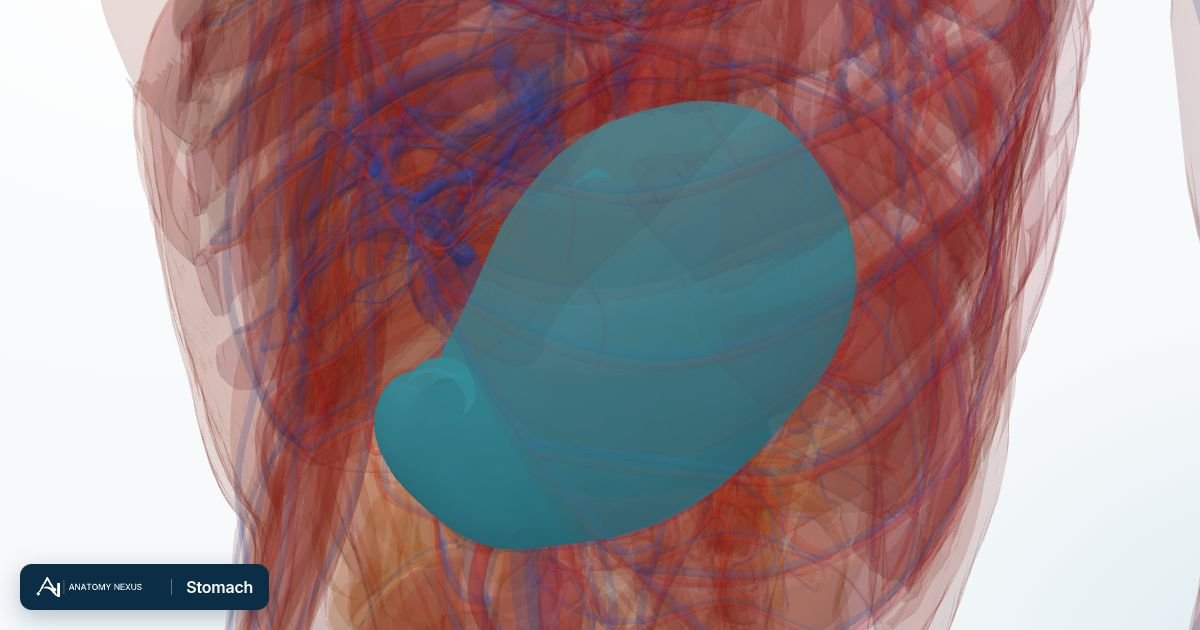
Carbohydrates are broken down to glucose in the small intestine and absorbed into the portal vein to the liver; fibre is the part that reaches the colon undigested, where bacteria ferment it to short-chain fatty acids that feed the bowel lining, lower inflammation and help regulate appetite. Whole grains, beans and vegetables deliver glucose slowly; refined sugar and white flour deliver it in a surge that demands more insulin.
Protein provides amino acids for muscle, enzymes, hormones and immune cells; adults need about 0.75-1 g per kilogram a day, more when older or training. Fats build cell membranes and carry vitamins A, D, E and K: unsaturated fats from olive oil, nuts and oily fish lower LDL cholesterol, while saturated and especially industrial trans fats raise it.
Salt draws water into the blood and raises blood pressure: most adults eat 8-9 g a day against a 5-6 g limit, three-quarters of it hidden in bread, processed meat and ready meals. Micronutrients matter in specific ways: iron for haemoglobin, calcium and vitamin D for bone, folate before and during pregnancy, B12 for nerves (a risk on vegan diets and with metformin), iodine for the thyroid.
Effects on the body
| System | Effect |
|---|---|
| Digestive | Fibre feeds the microbiome, prevents constipation, lowers bowel cancer risk by about 10% per 10 g a day |
| Arteries | Unsaturated fats and fibre lower LDL; salt reduction lowers blood pressure; Mediterranean diet cuts cardiovascular events by about 30% |
| Endocrine | Slow-release carbohydrate and healthy weight prevent and can reverse type 2 diabetes |
| Skeleton | Calcium, vitamin D and protein maintain bone; vitamin D deficiency is common in northern winters |
| Nervous system | Mediterranean-style eating is linked to slower cognitive decline and lower depression risk |
Guidance
- At least 5 portions of fruit and vegetables a day (400 g), varied in colour
- Base meals on whole grains and legumes; aim for 30 g of fibre a day
- Two portions of fish a week, one oily; limit red meat to about 70 g a day and avoid processed meat
- Salt under 6 g (2.4 g sodium) a day; free sugars under 30 g a day (about 7 teaspoons); sugary drinks are the easiest cut
- Choose unsaturated oils and spreads; keep saturated fat under 10% of energy
- Vitamin D 10 micrograms daily in autumn and winter in northern latitudes; folic acid 400 micrograms when planning pregnancy