



Liver functions
The liver processes everything absorbed from the gut, stores and releases fuel, makes most blood proteins, detoxifies drugs and produces bile.
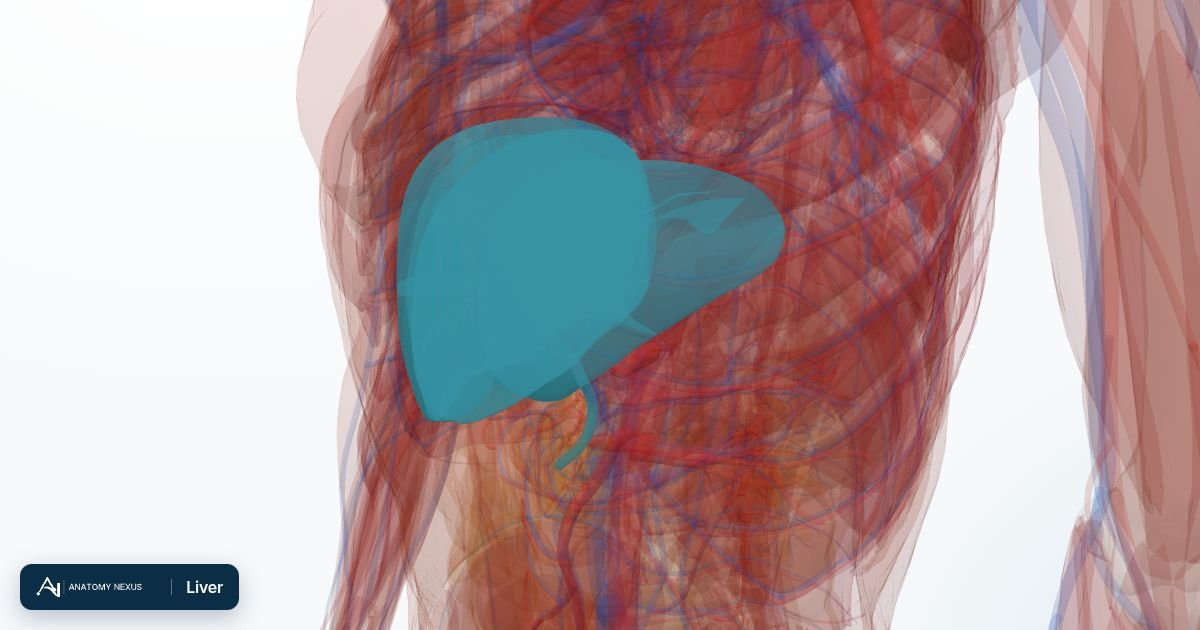
Portal blood arrives loaded with nutrients and anything else absorbed. Liver cells store glucose as glycogen and release it between meals, make new glucose from amino acids when needed, build and break down fats and cholesterol, and manufacture albumin and the clotting factors. Ammonia from protein breakdown is converted to urea for the kidneys to excrete.
Enzyme systems (the cytochrome P450 family) transform drugs, alcohol and toxins into water-soluble forms for excretion; this is why liver disease changes drug doses and why paracetamol overdose is so dangerous. Old red cells are broken down and their haem becomes bilirubin, which the liver conjugates and excretes in bile; when this fails, bilirubin accumulates and the skin turns yellow (jaundice).
Bile, about half a litre a day, is stored in the gallbladder and released to emulsify dietary fat. The liver can regenerate after losing more than half its mass.
Key facts
| Fact | Value |
|---|---|
| Bile production | ≈500 ml/day |
| Glycogen store | ≈100 g |
| Blood flow through liver | ≈1.5 L/min |