Medication · Pain & analgesia · full clinical detail
Paracetamol
Also known as: acetaminophen, APAP
The first-line painkiller and fever reducer for most people (acetaminophen in North America), gentle on the stomach at normal doses but toxic to the liver in overdose.
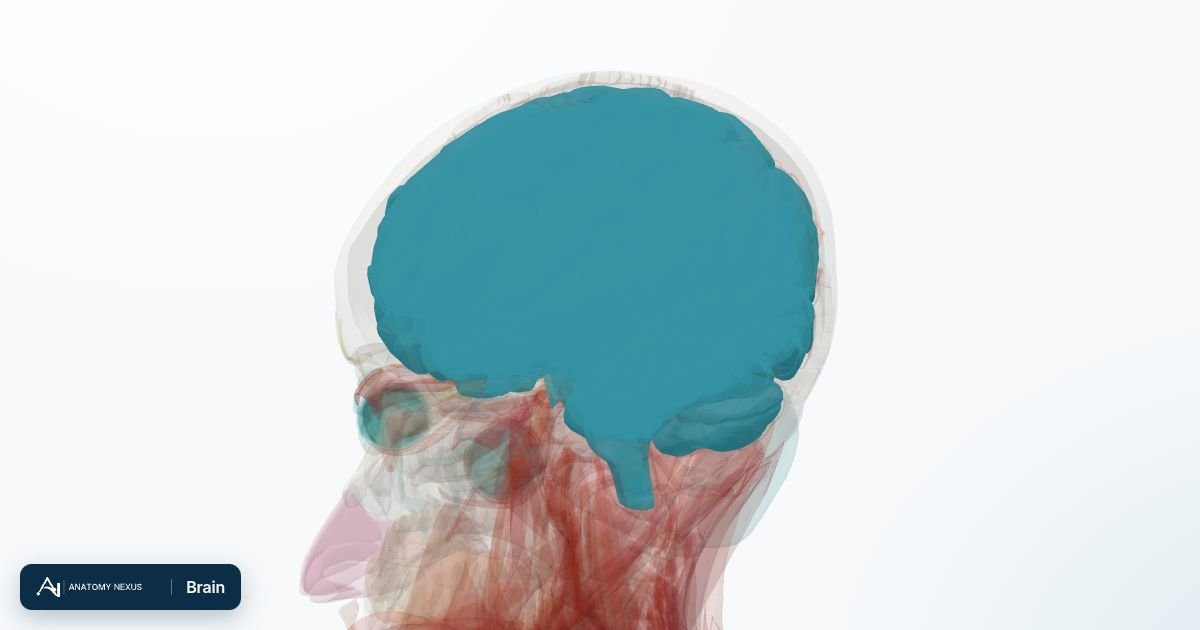
Paracetamol eases pain and lowers fever by acting mainly in the brain and spinal cord, where it raises the threshold at which pain is felt and resets the body's thermostat. It does little against inflammation and does not irritate the stomach, which is why it is the first painkiller tried for most people, but too much of it damages the liver.
Relief of mild to moderate pain from headaches, muscle aches, menstrual periods, colds and sore throats, toothaches, backaches and osteoarthritis, and to reduce fever
NICE 2022: paracetamol is no longer routinely offered for osteoarthritis but may be used for short-term, infrequent relief when other options are unsuitable
NICE: do not offer paracetamol alone for low back pain; an NSAID is preferred where suitable
Licensed indications come from the product licence in the named country; guideline-supported and off-label uses are cited to the guideline that supports them. Licensing differs between countries.
How it works
Paracetamol eases pain and lowers fever by acting mainly in the brain and spinal cord, where it raises the threshold at which pain is felt and resets the body's thermostat. It does little against inflammation and does not irritate the stomach, which is why it is the first painkiller tried for most people, but too much of it damages the liver.
Still not fully understood. It weakly inhibits cyclo-oxygenase in the brain and spinal cord rather than in inflamed tissue, and its breakdown product AM404 acts on cannabinoid and TRPV1 pathways in the central nervous system, raising the pain threshold and lowering the fever set-point. It has almost no anti-inflammatory effect and does not irritate the stomach.
Mechanism of action
Paracetamol's mechanism is incompletely defined. It inhibits cyclo-oxygenase in the central nervous system, where peroxide levels are low, more than in inflamed peripheral tissue, which explains analgesia and antipyresis without meaningful anti-inflammatory or antiplatelet activity. Its metabolite AM404, formed in the brain from p-aminophenol, activates TRPV1 and cannabinoid CB1 pathways and reinforces descending serotonergic inhibition of pain. At therapeutic doses it is conjugated by glucuronidation and sulphation; a small fraction is oxidised by CYP2E1 to the reactive metabolite NAPQI, which is detoxified by glutathione. In overdose, glutathione is exhausted and NAPQI binds hepatocyte proteins, causing centrilobular necrosis; acetylcysteine replenishes glutathione and is most effective within 8 hours. Chronic alcohol use, malnutrition, low body weight and enzyme-inducing drugs increase susceptibility.
Liver failure in overdose: even 8-10 g (16-20 tablets) can be fatal without treatment, and the danger rises with alcohol, malnutrition and enzyme-inducing drugs
Rare severe skin reactions and blood disorders
Source: NHS: Paracetamol for adults. Frequencies follow the source's categories; no percentages are invented.
Serious safety information
Special warning. Overdose: as few as 8-10 g (16-20 tablets) in an adult can cause fatal liver failure, and the person may feel well for the first day. UK information advises going to A&E immediately after any overdose, even without symptoms, because acetylcysteine works best within 8 hours. UK
Warnings and precautions
Precaution. Hidden paracetamol: many cold and flu remedies, co-codamol and other combination painkillers contain paracetamol; the total from all products must not exceed 4 g in 24 hours for an adult (less at low body weight). UK
Liver. Dose reduction or avoidance is advised in liver disease, chronic alcohol dependence, malnutrition and low body weight (under 50 kg), where the safe daily dose is lower. UK
Other. Rare but serious skin reactions (Stevens-Johnson syndrome, toxic epidermal necrolysis) have been reported; a rash with blistering needs urgent assessment. US
Contraindications
Factor
Detail
Strength
Country · source
Hypersensitivity to paracetamol
Previous allergic reaction; otherwise paracetamol has no absolute disease contraindications and dose reduction is the main safeguard.
"Absolute" and "relative" follow the wording of the cited source; where the source does not classify, the cell is blank.
Interactions
Check interactions
Taking Paracetamol with other medicines? Add them to the checker to see what the official sources say about each pair: the mechanism, general management and monitoring, never a bare "safe".
Interactions documented in the official sources cited on each card. The list covers the medicines represented on this site and is not exhaustive; how the interaction data is compiled.
Other medicines
Paracetamol + Other medicines containing paracetamol (cold and flu remedies, co-codamol, co-dydramol)
Contraindicated or avoidOfficial guidance: avoid the combinationtherapeutic duplication
Taking paracetamol with another product that contains it (cold and flu remedies, co-codamol, co-dydramol, some sleep aids) can exceed the safe daily dose and cause liver damage.
Why it can occur
hepatotoxicity
What official information says
UK information advises not taking paracetamol with other medicines that contain paracetamol, and checking labels of cold and flu remedies.
What to discuss with a clinician
Official UK information: count every product; no more than 4 g in 24 hours for an adult.
What may be monitored
Total daily paracetamol dose
Basis of the status
NHS: Taking paracetamol with other medicines (do not take with other paracetamol-containing medicines)
Paracetamol + Enzyme-inducing medicines (carbamazepine, phenytoin, rifampicin, St John's wort)
Severity not gradedInteraction documented
Carbamazepine, phenytoin, rifampicin and other enzyme-inducing drugs increase the toxic metabolite of paracetamol and the risk of liver injury, particularly in overdose.
Why it can occur
CYP induction · Induction of CYP2E1 and CYP3A4 increases NAPQI formation
What official information says
The BNF lists enzyme inducers among drugs that may increase the risk of paracetamol hepatotoxicity.
What to discuss with a clinician
Documented; keep within the recommended dose and seek advice about the lower toxic threshold after any overdose.
Basis of the status
BNF: Paracetamol interactions (increased risk of hepatotoxicity with enzyme inducers)
Therapeutic duplication. Paracetamol is present in many cold remedies and combination painkillers (co-codamol, co-dydramol); taking more than one product containing it risks overdose. UK information advises checking labels and not combining paracetamol products. UK
Food and drink
With
Effect
Official advice
Food
Food slows absorption slightly but does not reduce the effect; paracetamol can be taken with or without food. (other)
UK information states paracetamol can be taken with or without food. UK
Alcohol
Regular heavy drinking increases the risk of liver damage from paracetamol, and the liver-toxic dose is lower in people with alcohol dependence. (Induction of CYP2E1 (more toxic metabolite) and depletion of glutathione)
UK information states that drinking a small amount of alcohol while taking paracetamol is usually safe, but people who drink heavily should keep to lower doses and seek advice. UK
Monitoring
What
Why
Tests and markers
Source
None routinely
No blood tests are needed for normal-dose use; liver function is measured after any overdose and during treatment with acetylcysteine
UK information states paracetamol is the first choice of painkiller in pregnancy, taken at the lowest effective dose for the shortest time. UK
Breastfeeding
UK information states paracetamol is safe to take while breastfeeding; only small amounts pass into milk. UK
Children
Given to children from 2 months at doses based on age and weight using a children's liquid; UK information gives the doses by age and advises against combining products that contain paracetamol. UK
Older adults
No routine dose change, but frail or low-weight older adults (under 50 kg) and those with liver disease are given a reduced maximum dose. UK
Kidney impairment
Used at normal oral doses in kidney impairment; the interval between intravenous doses is increased when eGFR is below 30. UK
Liver impairment
Dose-related hepatotoxicity may occur at lower doses; the maximum daily dose is reduced (often to 2-3 g) in chronic liver disease, alcohol dependence and malnutrition, and intravenous paracetamol is avoided in severe insufficiency. UK
Cirrhosis and chronic liver disease: reduce the maximum daily dose and avoid prolonged use; severe hepatocellular insufficiency is a contraindication to the intravenous form.
Educational summary of drug–condition cautions in the cited sources; not a personal screening.
Effects on tests and results
ALT (alanine aminotransferase): ALT and AST rise steeply 24-72 hours after a toxic overdose, sometimes into the thousands, with a rise in INR; a paracetamol level timed from ingestion decides treatment. UK
AST (aspartate aminotransferase): Regular therapeutic doses can produce a mild, usually harmless rise in transaminases in some people. UK
Blood glucose: Paracetamol can interfere with some glucose-meter and blood-gas analyser measurements at high concentrations. US
Pharmacokinetics
Absorption
Rapid and almost complete from the small intestine; soluble forms fastest; rectal absorption slower and variable
Peak
30-60 minutes orally
Half-life
About 2 hours (longer in liver disease and after overdose)
Metabolism
Liver: glucuronidation (about 60%) and sulphation (about 30%); a small fraction oxidised by CYP2E1 to NAPQI, detoxified by glutathione
Dosing is intentionally not described: doses depend on the indication, the country's licence, kidney and liver function, age, weight and other medicines, and are set by a prescriber.
Medicines that share the class of Paracetamol. They are separate medicines with their own licences, doses and interactions, not alternative names for Paracetamol.
Medicines often discussed alongside Paracetamol: used together, compared with it, or acting on the same problem by a different route.
Educational content. Anatomy Nexus provides medical education and does not replace professional medical advice, diagnosis, treatment, prescribing or pharmacist review. Doses, choices and monitoring are decided by a prescriber for an individual; never start, stop or change a medicine on the basis of this page.