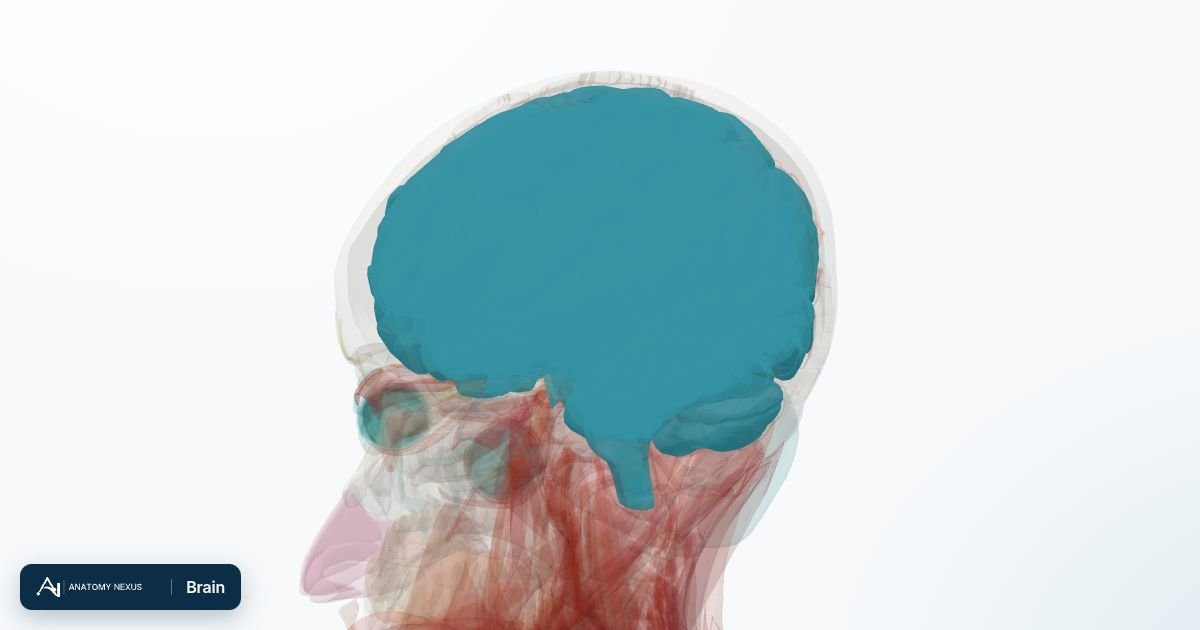
A selective serotonin reuptake inhibitor (SSRI) antidepressant used for depression, anxiety disorders, panic and obsessive-compulsive disorder; it takes several weeks to work fully.
Legal status differs between countries and can change; each row cites the document it was taken from and applies only to the country named.
What it is used for
Moderate to severe depression, alongside psychological therapy
Anxiety disorders: generalised anxiety, panic disorder, social anxiety, PTSD, OCD
Sertraline is a first choice after a heart attack because of its cardiac safety
How it works in the body
Blocks the serotonin transporter that pumps serotonin back into the nerve ending after release, so more remains in the synapse. The immediate rise in serotonin is not itself the cure: over weeks, receptors adapt, and growth factors such as BDNF and neuroplasticity in the hippocampus and prefrontal cortex increase, which is thought to underlie the delayed improvement in mood and anxiety.
Common side effects
Nausea, diarrhoea, headache, sweating, insomnia or drowsiness in the first weeks
Sexual dysfunction (reduced libido, delayed orgasm), which often persists
Increased anxiety and agitation at the start
Serious: seek help
Increased suicidal thoughts in the first weeks, particularly under 25: close follow-up
Bleeding risk, especially with NSAIDs, aspirin or anticoagulants (serotonin is needed for platelet function)
Low sodium in the elderly; serotonin syndrome with tramadol, triptans, MAOIs, St John's wort
Discontinuation symptoms (dizziness, electric-shock sensations, irritability) if stopped abruptly: taper over weeks
Cautions and interactions
Review within 1-2 weeks of starting, sooner in young people
Do not stop suddenly
Citalopram and escitalopram prolong the QT interval: dose limits and ECG in heart disease
Pregnancy: discuss risks and benefits; sertraline is among the better studied
Interactions
Check interactions
Taking Sertraline and SSRIs with other medicines? Add them to the checker to see what the official sources say about each pair: the mechanism, general management and monitoring, never a bare "safe".
Interactions documented in the official sources cited on each card. The list covers the medicines represented on this site and is not exhaustive; how the interaction data is compiled.
SSRIs such as sertraline reduce platelet serotonin and add to aspirin's bleeding risk, particularly in the stomach.
Why it can occur
additive bleeding risk
What official information says
UK information for sertraline lists aspirin and NSAIDs among medicines that increase bleeding risk and advises telling a doctor; a stomach-protecting medicine may be prescribed.
What to discuss with a clinician
Documented; gastroprotection considered in those at risk; report black stools or bruising.
What may be monitored
Signs of gastrointestinal bleeding
Basis of the status
NHS: Taking sertraline with other medicines (tell your doctor; bleeding risk)
Sources
NHS: Sertraline(Taking it with other medicines and herbal supplements · Medicines that interact with sertraline)UK BNF: Sertraline interactions(Interactions)UK NHS: Aspirin(Low-dose aspirin · Taking it with other medicines and herbal supplements)UK
Review
Facts checked against the cited sources; not yet clinically reviewed · last reviewed 12 September 2026
Therapeutic duplication. Two SSRIs together, or an SSRI with another serotonergic antidepressant, raise the risk of serotonin syndrome; switching is done with a planned cross-taper. UK
Medicines that share the class of Sertraline and SSRIs. They are separate medicines with their own licences, doses and interactions, not alternative names for Sertraline and SSRIs.
Medicines often discussed alongside Sertraline and SSRIs: used together, compared with it, or acting on the same problem by a different route.
Educational content. Anatomy Nexus provides medical education and does not replace professional medical advice, diagnosis, treatment, prescribing or pharmacist review. Doses, choices and monitoring are decided by a prescriber for an individual; never start, stop or change a medicine on the basis of this page.