



Alzheimer's disease
Also known as: Alzheimer disease, dementia
The commonest cause of dementia: a progressive loss of memory and thinking ability caused by the build-up of amyloid plaques and tau tangles and the death of neurons, beginning in the hippocampus.
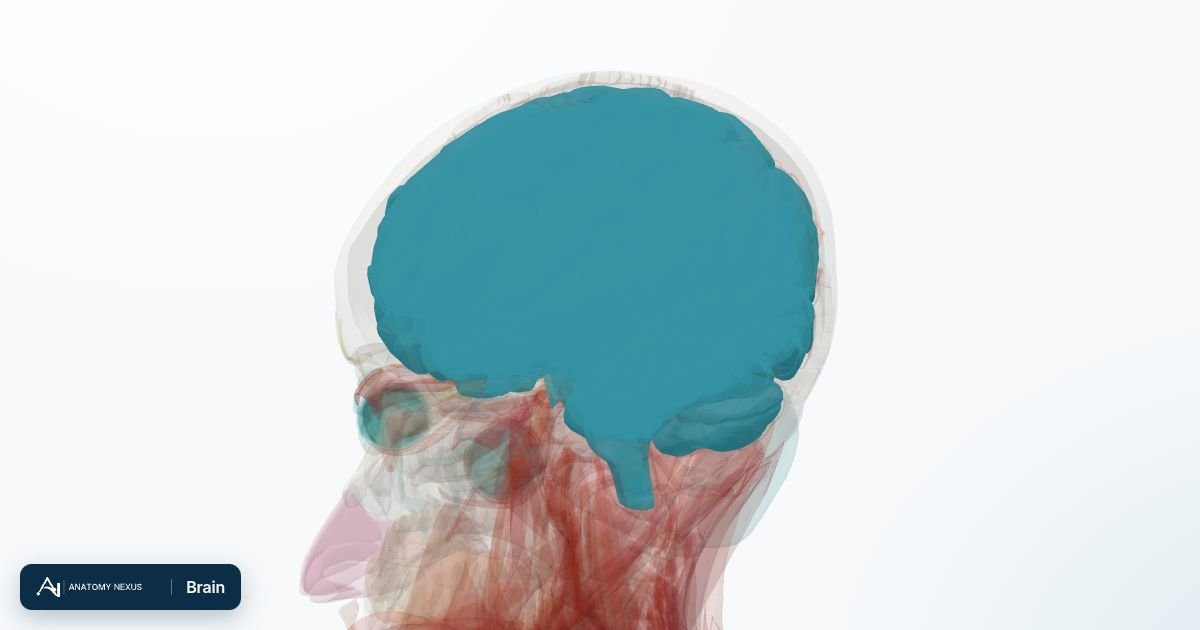
Overview
Alzheimer's starts years before symptoms, with abnormal proteins accumulating in the medial temporal lobes. Early disease affects the formation of new memories; over years it spreads to language, spatial skills, judgement and finally basic bodily functions. It affects one person in ten over 65 and one in three over 85.
Causes
- Accumulation of amyloid-beta and tau proteins with loss of synapses and neurons
- Rare inherited forms with early onset
Risk factors
- Age
- APOE e4 gene
- Family history
- Cardiovascular risk factors: hypertension, diabetes, smoking, obesity
- Low education, hearing loss, social isolation, depression, inactivity
- Head injury
Symptoms
What a clinician may find
- Poor recall of recent events with preserved distant memory
- Word-finding difficulty
- Getting lost in familiar places
- Impaired judgement and planning
- Later: personality change, incontinence, immobility
Complications
- Falls
- Infections, especially pneumonia and urinary infections
- Malnutrition and dehydration
- Carer strain
Diagnosis
History from the person and a relative, cognitive testing, blood tests to exclude thyroid, B12 and other reversible causes, and MRI showing hippocampal shrinkage. Amyloid PET or spinal fluid markers can confirm the diagnosis in specialist settings.
Treatment
Cholinesterase inhibitors (donepezil) and memantine give modest symptomatic benefit; anti-amyloid antibodies can slow early disease in selected patients. Structured routines, cognitive stimulation, treating hearing loss and depression, carer support and advance care planning matter as much.
Prevention
Up to 40% of dementia is attributable to modifiable factors: control blood pressure, stay physically, socially and mentally active, treat hearing loss, do not smoke, limit alcohol.
When to seek care
Forgetting recent conversations, repeating questions, getting lost or struggling with familiar tasks over months should prompt a memory assessment; sudden confusion over hours or days is delirium and needs urgent review.