



Drug class · Nervous system
SSRIs
Also known as: selective serotonin reuptake inhibitors, antidepressants
The most widely used antidepressants (sertraline, citalopram, escitalopram, fluoxetine, paroxetine), also first-line for anxiety disorders, panic, OCD and PTSD.
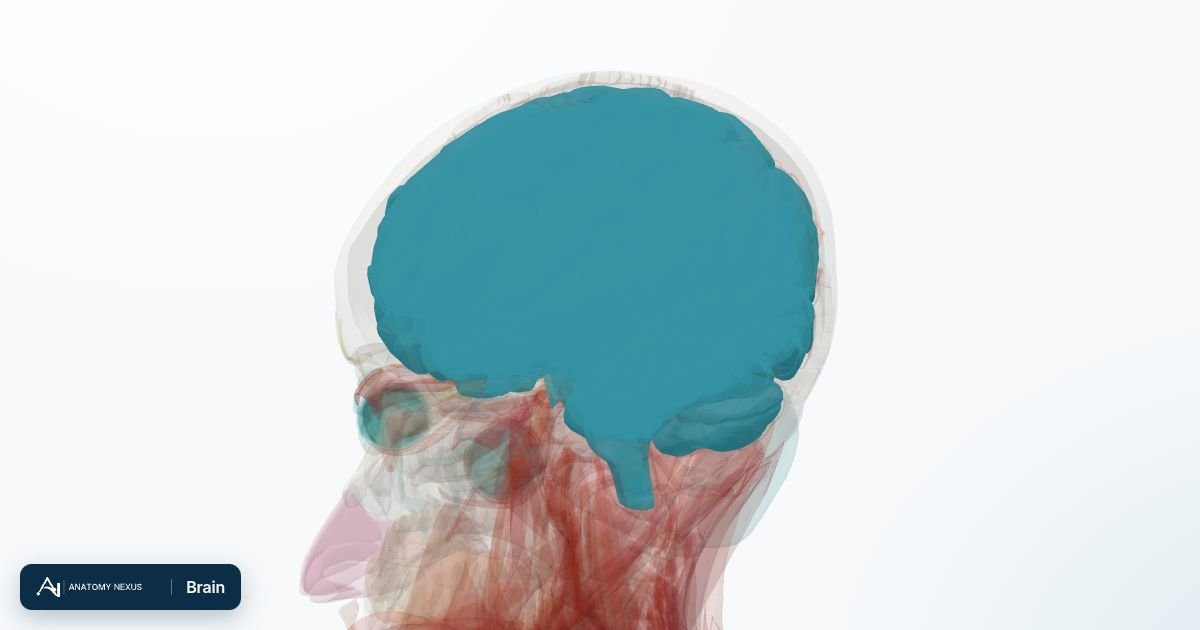
- Biological target
- Serotonin transporter (SERT)
- Also called
- selective serotonin reuptake inhibitors, antidepressants
Mechanism of action
SSRIs block the transporter that pumps serotonin back into nerve endings after release, so more remains in the synapse. The clinical benefit arrives over weeks as receptors adapt and neuroplasticity in the hippocampus and prefrontal cortex increases; the immediate rise in serotonin mostly produces the early side effects. They are generally safe in overdose and after heart attacks (sertraline).
Members of the class
Members with a page on this site are linked.
Conditions treated
Class effects
- Nausea, headache, sleep change, sweating in the first weeks
- Sexual dysfunction
- Bleeding risk with NSAIDs and anticoagulants; low sodium in the elderly
Cautions
- Increased suicidal thoughts in the first weeks under 25: close follow-up
- Taper rather than stop abruptly
- Serotonin syndrome with tramadol, triptans, MAOIs and St John's wort
- Citalopram prolongs the QT interval
Class warnings
- Suicidal thoughts can increase in the first weeks, particularly under 25; close review is advised. Serotonin syndrome with other serotonergic drugs, bleeding with NSAIDs and anticoagulants, hyponatraemia in older people and withdrawal symptoms on abrupt stopping are class effects. UK
- Citalopram and escitalopram prolong the QT interval in a dose-dependent way and have maximum doses, particularly over 65 and with other QT-prolonging drugs. UK
Class interactions
| With | Effect | Source |
|---|---|---|
| Monoamine oxidase inhibitors, triptans, tramadol, linezolid, lithium, St John's wort | Serotonin syndrome; MAOI combinations are contraindicated with washout periods. | UK |
| NSAIDs, aspirin, anticoagulants | Increased bleeding, particularly gastrointestinal; gastroprotection considered. | UK |
| Other QT-prolonging drugs (with citalopram, escitalopram) | Additive QT prolongation. | UK |
Therapeutic duplication. Two SSRIs together, or an SSRI with another serotonergic antidepressant, raise the risk of serotonin syndrome; switching is done with a planned cross-taper. UK
Open the Drug Interaction Checker
Educational content. A drug class page describes what a family of medicines has in common. Individual medicines differ in dose, licensing and interactions; treatment choices belong to a prescriber.