



Serotonin transporter (SERT)
Also known as: SERT, 5-HTT, SLC6A4, serotonin reuptake pump
The pump on the presynaptic nerve ending that clears serotonin from the synapse after it has been released. SSRIs such as sertraline block it, so serotonin stays in the synapse longer; the antidepressant effect follows over weeks as receptors and circuits adapt.
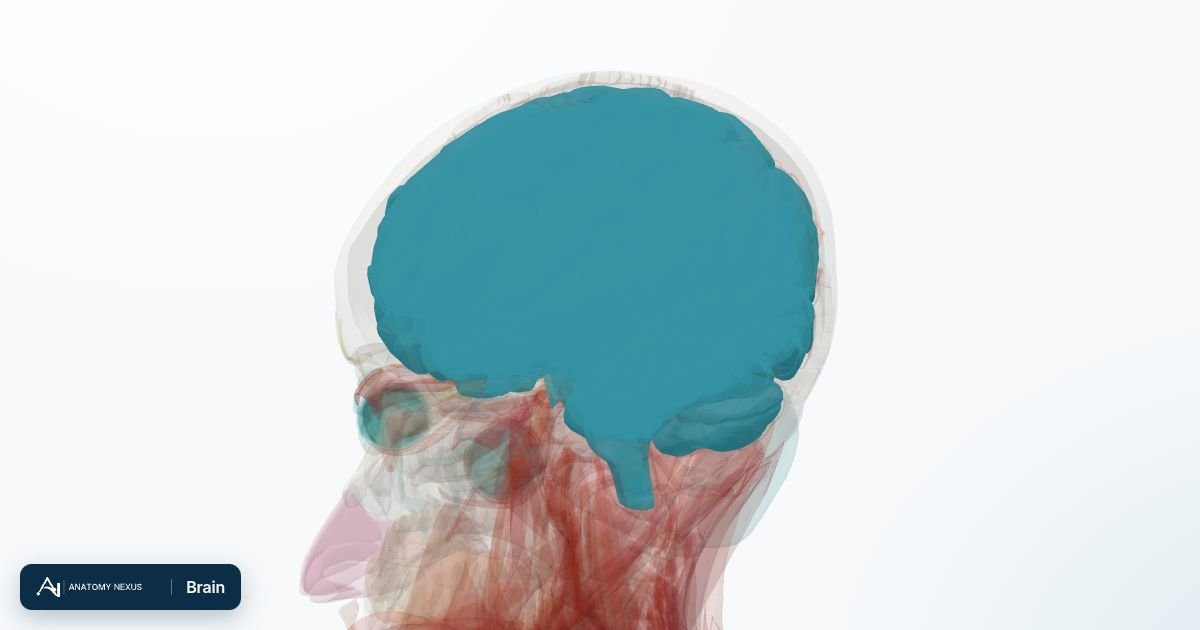
- Kind
- transporter
- Also called
- SERT, 5-HTT, SLC6A4, serotonin reuptake pump
- Where it is found
- Presynaptic membranes of serotonergic neurons originating in the brainstem raphe nuclei and projecting throughout the brain; platelet membranes; enterochromaffin cells and nerves of the gut wall.
What it does
Serotonin (5-hydroxytryptamine) released into a synapse acts on receptors on the next neuron and is then recycled by the serotonin transporter, a membrane protein that carries it back into the releasing nerve ending. Selective serotonin reuptake inhibitors bind the transporter and stop that recycling within hours of the first dose, yet mood improvement takes two to six weeks, which shows that the benefit comes from slower downstream changes in receptor sensitivity, gene expression and neural plasticity rather than from the raised serotonin itself. The same transporter is present on platelets, where blocking it depletes their serotonin and slightly impairs clotting (a reason bleeding risk rises when SSRIs are combined with NSAIDs or anticoagulants), and in the gut wall, where serotonin regulates motility (nausea and bowel changes early in treatment). Combining several serotonergic drugs can over-stimulate serotonin receptors and cause serotonin syndrome.
Role in the body
Terminates serotonin signalling by reuptake into presynaptic neurons; also loads serotonin into platelets.