



Symptom · Head
Headache
Also known as: head pain, cephalalgia
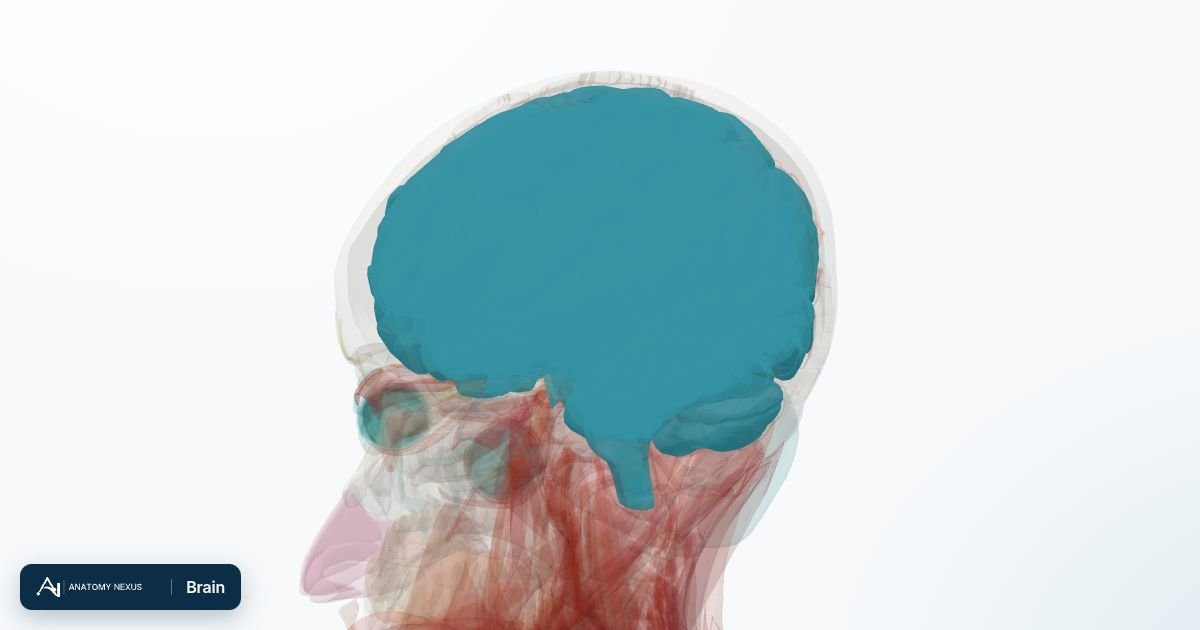
Pain felt anywhere in the head. Almost everyone has headaches; the great majority are primary headaches (tension-type or migraine) rather than a sign of disease. The brain itself has no pain receptors: headache arises from the meninges, blood vessels, muscles of the scalp and neck, sinuses and the nerves that supply them.
What it is
Pain felt anywhere in the head. Almost everyone has headaches; the great majority are primary headaches (tension-type or migraine) rather than a sign of disease. The brain itself has no pain receptors: headache arises from the meninges, blood vessels, muscles of the scalp and neck, sinuses and the nerves that supply them.
Common causes
Tension-type headacheA tight band around the head, often with neck and scalp muscle tension, stress or poor sleep.
MigraineThrobbing, usually one-sided, worse with movement, with nausea and sensitivity to light and sound; sometimes preceded by an aura.
Medication-overuse headacheFrequent painkiller use (more than 10 to 15 days a month) can itself keep the headache going.
Dehydration, hunger, alcohol, caffeine withdrawalCommon, short-lived and reversible.
InfectionsColds, flu and sinusitis often bring a dull headache with facial pressure.
Less common causes
Cluster headacheExcruciating pain around one eye in bouts lasting weeks, with a watering eye and blocked nostril.
Giant cell arteritisNew headache over 50 with scalp tenderness and jaw pain on chewing; can threaten sight.
Raised pressure inside the skullFrom a tumour, bleed or blocked fluid drainage: worse lying down, on waking and with straining, with vomiting.
Meningitis and subarachnoid haemorrhageSudden severe headache with fever, stiff neck, rash or collapse.
Often occurs with
Seek urgent care if
- A headache that reaches maximum intensity within seconds to a minute (a thunderclap headache)
- Headache with fever, stiff neck, confusion, drowsiness or a rash that does not fade under a glass
- Headache after a head injury, especially with vomiting or drowsiness
- Headache with new weakness, numbness, slurred speech, double vision or a seizure
- A new or changing headache in someone over 50, in pregnancy, or with cancer or a weakened immune system
Conditions to read about
How it is investigated
Educational content. This page explains what a symptom can mean so that the anatomy and the medical reasoning make sense. It cannot tell you what is causing yours: only a clinician who can examine you and order tests can do that.