



Sensory systems
Receptors convert light, sound, chemicals, pressure and temperature into nerve signals that the thalamus and cortex turn into perception.
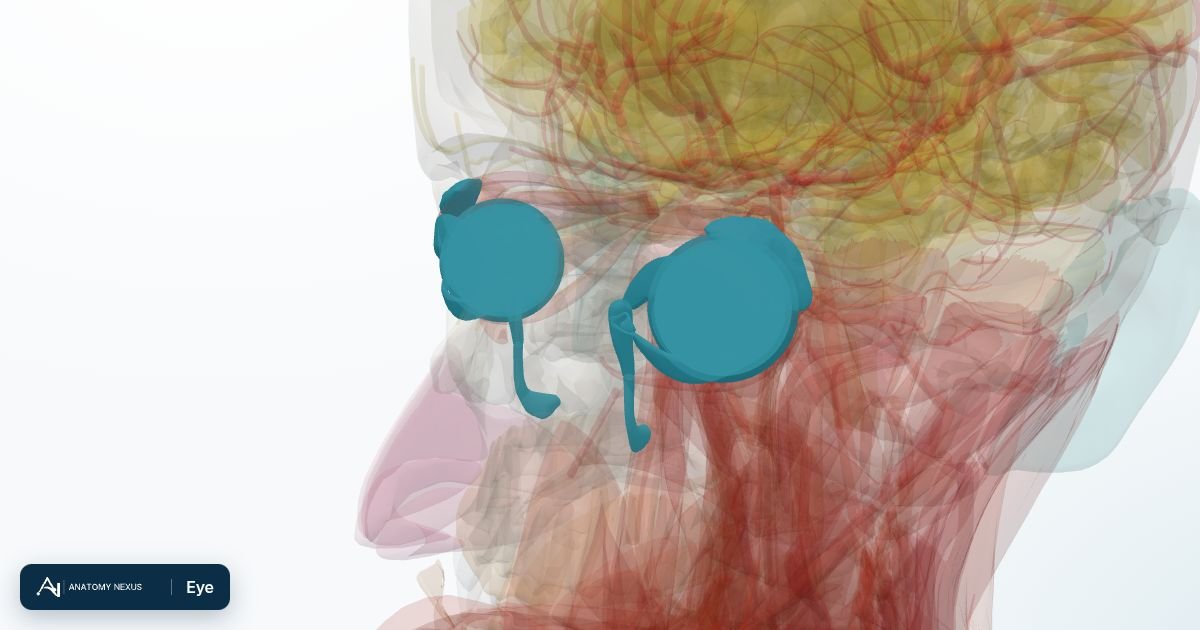
The eye focuses light onto the retina, where rods handle dim light and cones colour; signals cross partly at the optic chiasm so each visual cortex sees the opposite half of the world. The ear turns vibration into fluid waves in the cochlea, where hair cells fire in proportion to pitch; the neighbouring semicircular canals and otolith organs sense rotation and gravity for balance.
Smell receptors in the roof of the nose project directly to the olfactory cortex and limbic system, which is why odours evoke memory so strongly; taste buds detect sweet, salt, sour, bitter and umami. Skin carries receptors for touch, vibration, temperature and pain, with the fingertips and lips most densely supplied and therefore over-represented in the sensory cortex.
Pain is a protective signal, not a measurement of damage: it is amplified by inflammation and modulated by the brain, which explains phantom limb pain and the relief of distraction.
Key facts
| Fact | Value |
|---|---|
| Cone types | 3 (red, green, blue) |
| Hearing range | ≈20 Hz – 20 kHz |
| Basic tastes | 5 |