



Migraine
Also known as: migraine headache
A recurrent headache disorder with attacks of moderate to severe throbbing pain, typically one-sided, lasting 4 to 72 hours, with nausea and sensitivity to light and sound.
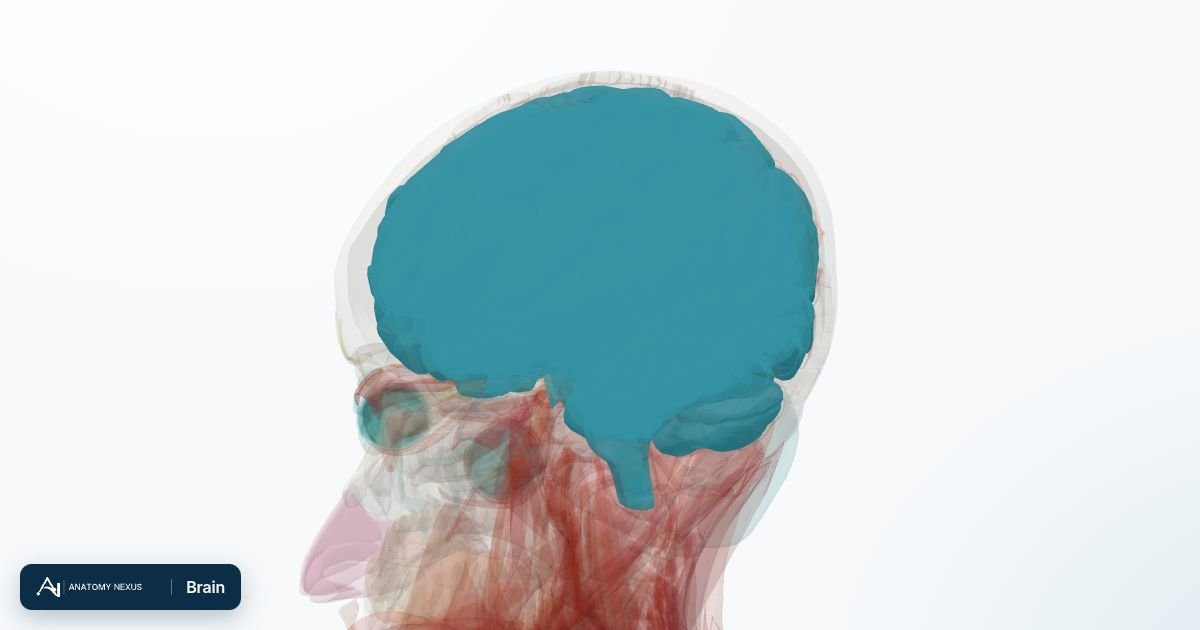
Overview
Migraine is a disorder of brain excitability rather than of blood vessels alone. A wave of altered activity spreading across the cortex explains the aura that a third of sufferers experience, and activation of the trigeminal pain pathway explains the headache. It affects about one person in seven and is the leading cause of disability in young women.
Causes
- Inherited susceptibility with triggers: sleep change, missed meals, stress and stress release, hormones, alcohol, certain foods, bright light, weather
Risk factors
- Female sex
- Family history
- Age 20 to 50
- Depression and anxiety
- Medication overuse
Symptoms
What a clinician may find
- Normal examination between and usually during attacks
Complications
- Chronic migraine (15 or more headache days a month)
- Medication-overuse headache
- Slightly raised stroke risk in migraine with aura, especially with smoking and the combined pill
Diagnosis
Clinical, from the pattern of attacks; a headache diary helps. Scans are needed only for red-flag features such as a change in pattern, abnormal examination or a thunderclap onset.
Treatment
Attacks: a triptan taken early, plus an NSAID or paracetamol and an anti-sickness drug; rest in a dark room. Prevention when attacks are frequent: propranolol, amitriptyline, topiramate, candesartan, CGRP antibody injections, and avoiding identified triggers.
Prevention
Regular sleep and meals, hydration, limiting caffeine and alcohol, exercise, stress management, and limiting painkillers to fewer than 10 days a month.
When to seek care
Emergency care for a headache that is the worst ever or peaks within a minute, or comes with fever, stiff neck, weakness, confusion or a first-ever aura after 50.