



Non-opioid analgesics
Also known as: simple painkillers, paracetamol and relatives
First-line painkillers without opioid or anti-inflammatory action: paracetamol (acetaminophen) above all, safe at normal doses for most people and most types of mild to moderate pain.
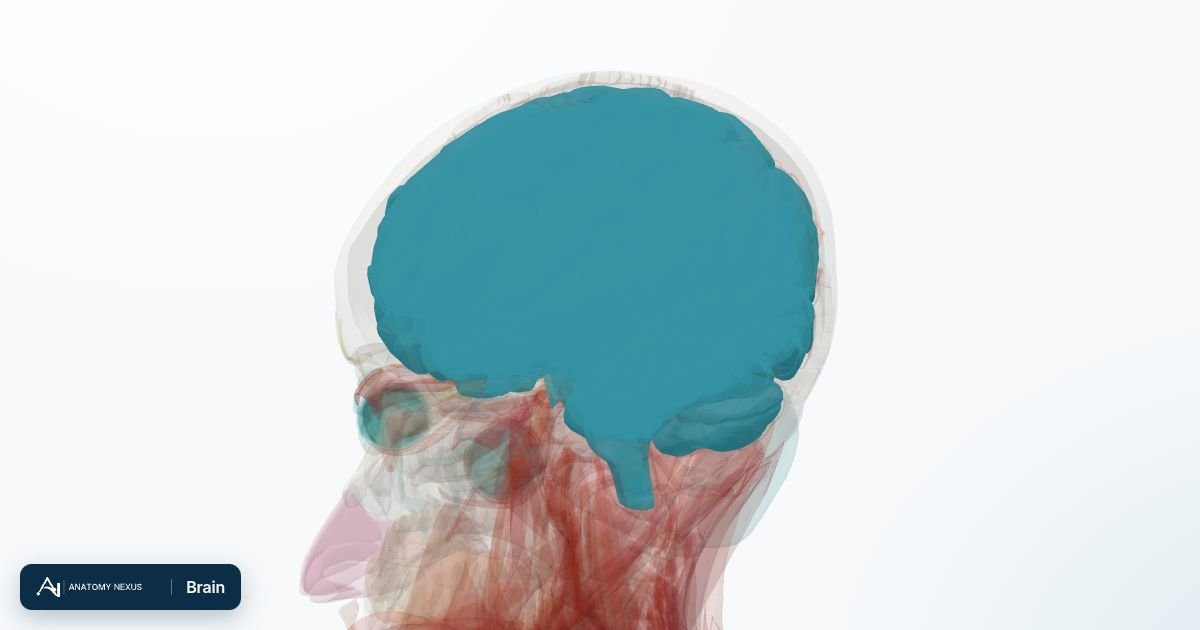
- Biological target
- Cyclo-oxygenase 2 (COX-2)
- Also called
- simple painkillers, paracetamol and relatives
Mechanism of action
Paracetamol acts mainly in the central nervous system, weakly inhibiting cyclo-oxygenase in the brain and spinal cord and, through its metabolite AM404, engaging cannabinoid and TRPV1 pathways that raise the pain threshold and lower the fever set-point. It has almost no effect on inflammation or the stomach lining. Its danger is the liver: in overdose a toxic metabolite overwhelms the liver's glutathione and destroys hepatocytes.
Members of the class
Members with a page on this site are linked.
Conditions treated
Class effects
- Very few at normal doses
- Liver failure in overdose
Cautions
- Maximum 4 g a day for adults, less at low body weight, with alcohol excess or liver disease
- Count paracetamol hidden in cold remedies and combination products
- Any overdose is an emergency even without symptoms
Class warnings
- Paracetamol is safe at recommended doses but hepatotoxic in overdose; the maximum daily dose from all products is 4 g for adults, lower at low body weight, in liver disease and in alcohol dependence. UK
Class interactions
| With | Effect | Source |
|---|---|---|
| Warfarin | Regular paracetamol can raise the INR; occasional doses do not. | UK |
| Enzyme-inducing drugs (carbamazepine, phenytoin, rifampicin) and chronic alcohol | Increase the toxic metabolite and the risk of liver injury. | UK |
Open the Drug Interaction Checker