



Mu-opioid receptor
Also known as: μ-opioid receptor, MOR, OPRM1, opioid receptor
The receptor through which morphine and the other opioids relieve pain, and also the one responsible for their sedation, slowed breathing, constipation, euphoria and dependence. The body's own endorphins act on the same receptor.
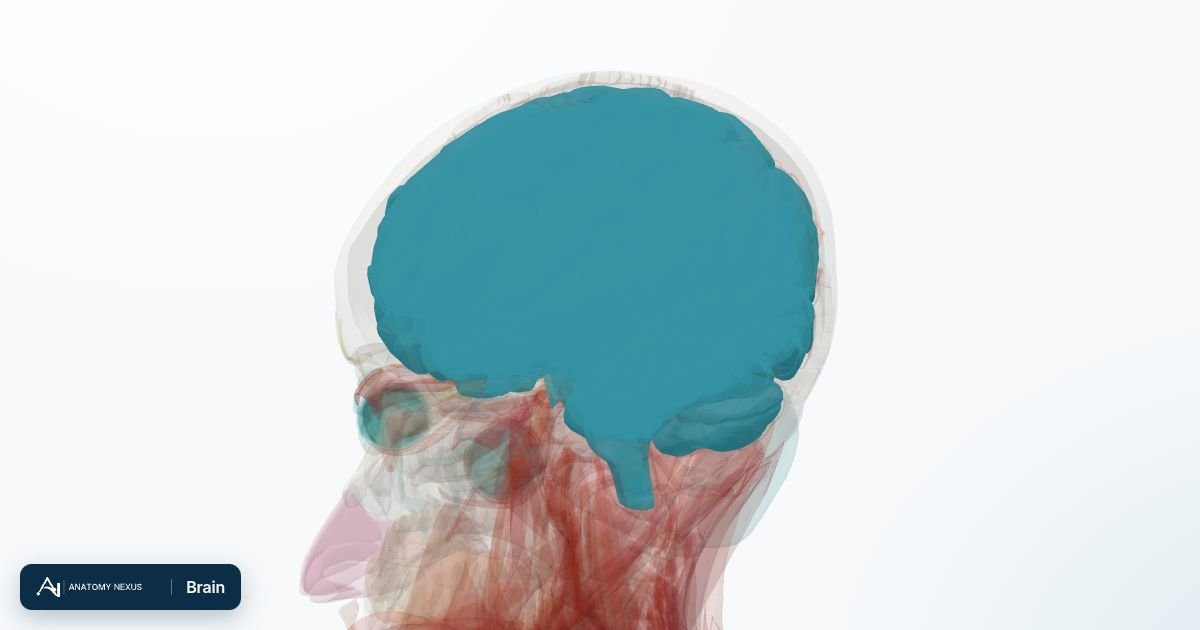
- Kind
- receptor
- Also called
- μ-opioid receptor, MOR, OPRM1, opioid receptor
- Where it is found
- Dorsal horn of the spinal cord, periaqueductal grey and medulla of the brainstem, thalamus, limbic system and the enteric nerves of the gut wall.
What it does
Mu-opioid receptors sit on nerve cells in the spinal cord's dorsal horn, in the brainstem and midbrain, in the limbic system and in the gut wall. Activation reduces the release of pain transmitters in the spinal cord, switches on descending pathways from the brainstem that dampen pain signals, and changes how the pain is experienced in the brain, so the pain is still detected but matters less. The same receptors in the medulla blunt the response to rising carbon dioxide, which is why overdose kills by stopping breathing and why naloxone, which displaces opioids from the receptor, reverses it within minutes. In the gut they slow motility and tighten sphincters, causing the constipation that does not fade with time. Repeated stimulation leads to tolerance (more drug for the same effect) and physical dependence, with withdrawal symptoms when the drug is stopped abruptly. Codeine and tramadol are weaker or partial agonists; buprenorphine is a partial agonist used in dependence treatment.
Role in the body
Analgesia, sedation, respiratory depression, reduced gut motility, euphoria and reward; tolerance and dependence with sustained use.