



Tramadol
An opioid painkiller for moderate to severe pain that also boosts serotonin and noradrenaline signalling, a controlled drug with a particular risk of seizures and serotonin syndrome when combined with antidepressants.
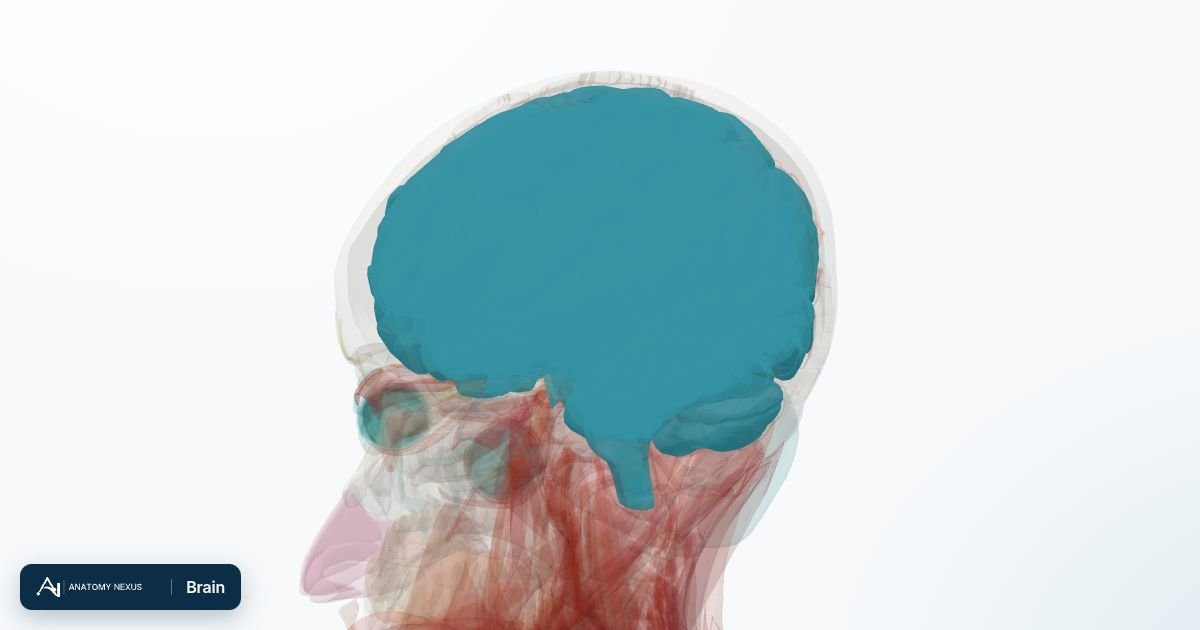
- Generic name
- Tramadol
- Active ingredient
- Tramadol (variants: tramadol hydrochloride)
- Product type
- Small-molecule medicine
- Drug class
- Opioids
- Brand names
- UK Zydol, Zamadol, Tramulief · US Ultram, ConZip
- Routes
- Oral, Intravenous, Intramuscular (Oral (capsules, tablets, modified-release tablets and capsules, oral drops); injection)
- Dosage forms
- Capsule, Tablet, Extended-release (modified-release) tablet, Drops, Injection
- Forms
- Capsules 50 mg, modified-release tablets and capsules 12- or 24-hourly, orodispersible tablets, oral drops; injection in hospital
- Onset and duration
- Pain relief within about an hour; modified-release forms last 12 or 24 hours.
- Terminology
- RxNorm RxCUI 10689 · ATC N02AX02 · FDA EPC Opioid Agonist [EPC]
- Monitoring
- Pain relief and function, sedation and breathing, constipation and signs of dependence at each review; kidney and liver function in long-term use.
Availability by country
| Country | Status | Note | Source |
|---|---|---|---|
| UK | Prescription only | UK | |
| UK | Controlled substance | Schedule 3 controlled drug in the UK | UK |
Legal status differs between countries and can change; each row cites the document it was taken from and applies only to the country named.
What it is used for
- Moderate to severe pain, including after surgery or injury, when non-opioid painkillers are not enough
- Short-term use is preferred; long-term use for chronic non-cancer pain is discouraged
How it works in the body
Tramadol and, more strongly, the active metabolite the liver makes from it through CYP2D6, act on mu-opioid receptors in the brain and spinal cord to dampen pain signalling. Unlike other opioids it also blocks the reuptake of serotonin and noradrenaline, which adds to pain relief but is why it can cause serotonin syndrome with antidepressants and lowers the seizure threshold. People who lack CYP2D6 activity get less pain relief; ultra-rapid metabolisers get more opioid effect.
Common side effects
- Feeling sick or being sick, constipation, dry mouth
- Dizziness, drowsiness, headache, tiredness
- Sweating, feeling agitated
Serious: seek help
- Slow or shallow breathing, extreme drowsiness, especially with alcohol, benzodiazepines or gabapentinoids
- Seizures, more likely at high doses or with antidepressants and other seizure-threshold-lowering medicines
- Serotonin syndrome with antidepressants, triptans or St John's wort
- Dependence, withdrawal on stopping, and misuse
- Signs of an allergic reaction
Cautions and interactions
- A controlled drug: prescribed for the shortest time and reviewed regularly
- Not combined with MAOI antidepressants; caution with SSRIs, SNRIs, tricyclics and other serotonergic medicines
- Alcohol, benzodiazepines and other sedatives increase respiratory depression
- Epilepsy or a low seizure threshold
- Reduced doses or avoidance in severe kidney or liver impairment; carbamazepine reduces its effect
- Driving: it is an offence in the UK to drive with the ability impaired by tramadol
Interactions
Check interactions
Taking Tramadol with other medicines? Add them to the checker to see what the official sources say about each pair: the mechanism, general management and monitoring, never a bare "safe".
Interactions documented in the official sources cited on each card. The list covers the medicines represented on this site and is not exhaustive; how the interaction data is compiled.
No pair records for this medicine are in the sources currently represented by Anatomy Nexus. Absence from this list does not mean no interaction exists.
Same-class and related medicines
Same class: Opioids
Medicines that share the class of Tramadol. They are separate medicines with their own licences, doses and interactions, not alternative names for Tramadol.
Related medicines
Medicines often discussed alongside Tramadol: used together, compared with it, or acting on the same problem by a different route.