



Opioids
Also known as: opiates, narcotic analgesics
Strong painkillers that act on the body's own endorphin receptors: morphine, codeine, tramadol, oxycodone, fentanyl. Essential for severe acute pain and cancer pain; harmful when used long term for chronic non-cancer pain.
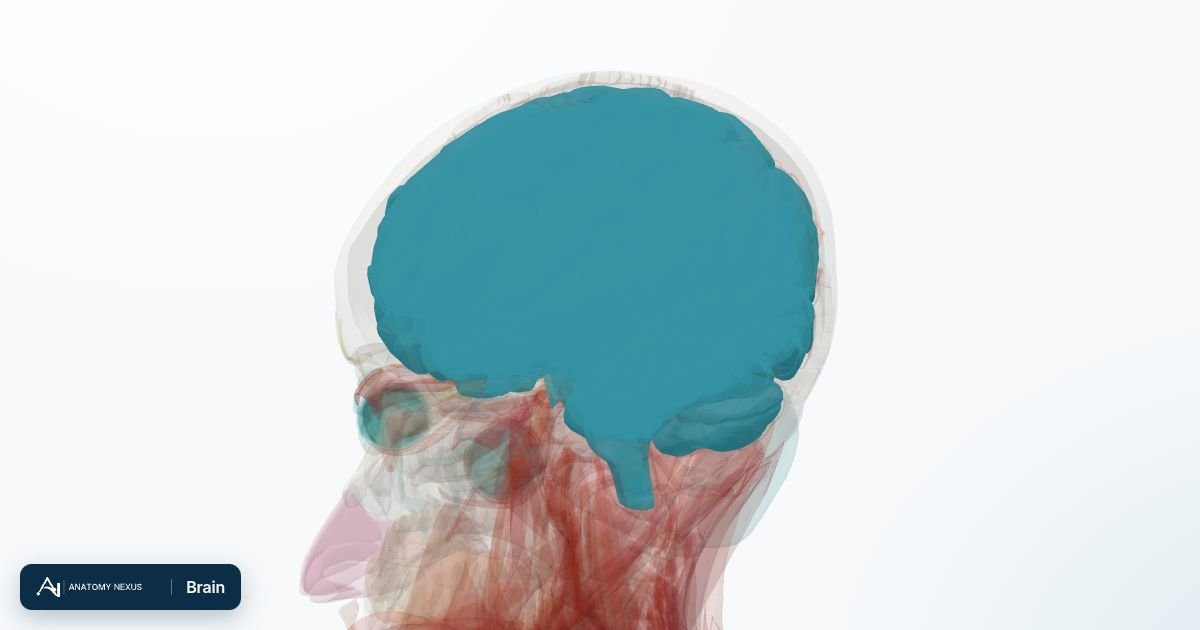
- Biological target
- Mu-opioid receptor
- Also called
- opiates, narcotic analgesics
Mechanism of action
Opioids bind mu-opioid receptors in the spinal cord, brainstem and brain, closing the gate on pain signals entering the cord and dampening the emotional response to pain. The same receptors in the brainstem slow breathing, in the gut cause constipation, and in the reward pathways produce euphoria and, with repeated use, tolerance and dependence. Naloxone displaces opioids from the receptors and reverses overdose within minutes.
Members of the class
Members with a page on this site are linked.
Conditions treated
Class effects
- Constipation, nausea, drowsiness, itching
- Respiratory depression in overdose or with sedatives and alcohol
- Tolerance, dependence, addiction
Cautions
- Start low, review early, plan the stop
- Reduce doses in kidney failure and the elderly
- Never crush modified-release tablets
- No driving while drowsy
Class warnings
- Respiratory depression, sedation, constipation, dependence and overdose are class hazards; risk rises with other sedatives, alcohol, older age, kidney or liver disease and lung disease. Naloxone reverses overdose. UK
- Long-term use for chronic non-cancer pain has limited evidence of benefit and substantial harm; UK guidance advises against starting opioids for chronic primary pain. UK
Class interactions
| With | Effect | Source |
|---|---|---|
| Benzodiazepines, gabapentinoids, alcohol and other CNS depressants | Additive sedation and respiratory depression, potentially fatal. | UK |
| Serotonergic drugs (with tramadol, pethidine, fentanyl) | Serotonin syndrome. | UK |
| Strong CYP3A4 inhibitors (with fentanyl, oxycodone) and CYP2D6 variation (codeine, tramadol) | Altered opioid levels and effect. | UK |
Open the Drug Interaction Checker