



Colorectal (bowel) cancer
Also known as: bowel cancer, colon cancer, rectal cancer
A malignant tumour of the colon or rectum, almost always arising from a benign polyp (adenoma) over years.
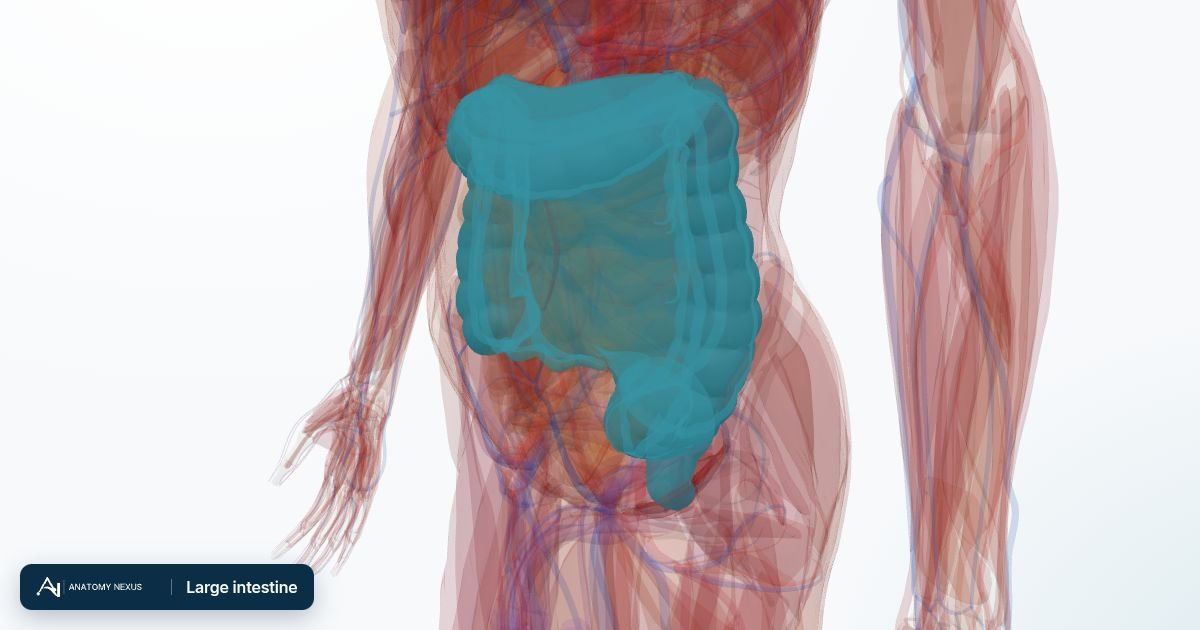
Overview
Bowel cancer is the third commonest cancer worldwide. Because it grows slowly from polyps, screening by stool testing and colonoscopy can find and remove growths before they turn malignant. Early cancers are cured by surgery; symptoms usually appear late, so screening participation matters.
Causes
- Accumulated genetic mutations in the lining cells, usually sporadic
- Inherited syndromes: Lynch syndrome, familial adenomatous polyposis
Risk factors
- Age over 50
- Family history
- Long-standing inflammatory bowel disease
- Processed and red meat, low fibre, obesity, inactivity
- Smoking and alcohol
- Type 2 diabetes
Symptoms
What a clinician may find
- Change in bowel habit lasting weeks
- Blood in or on the stool
- Iron-deficiency anaemia
- A palpable mass
- Weight loss
Complications
- Bowel obstruction or perforation
- Spread to liver, lungs and peritoneum
- Anaemia
Diagnosis
Faecal immunochemical test for screening or triage, then colonoscopy with biopsy; CT of chest, abdomen and pelvis for staging; MRI of the rectum; blood CEA marker.
Treatment
Surgery to remove the tumour and lymph nodes is the mainstay; chemotherapy after surgery for higher-risk disease; radiotherapy and chemotherapy before surgery for rectal cancer; chemotherapy, targeted and immune drugs for spread; liver metastases are sometimes resectable.
Prevention
Take part in screening from the age offered, eat fibre and less processed meat, keep active and a healthy weight, do not smoke, limit alcohol; aspirin lowers risk in Lynch syndrome.
When to seek care
See a doctor within days for blood in the stool, a change in bowel habit lasting three weeks, unexplained weight loss or anaemia; emergency care for severe pain with vomiting and a swollen abdomen.