



Fluoroscopy and angiography
Also known as: live X-ray, barium swallow, barium enema, angiogram, coronary angiography, interventional radiology
Continuous, low-dose X-ray imaging shown as a live moving picture, used to watch swallowing, guide catheters and joint injections and follow contrast through the gut or vessels.
How it works
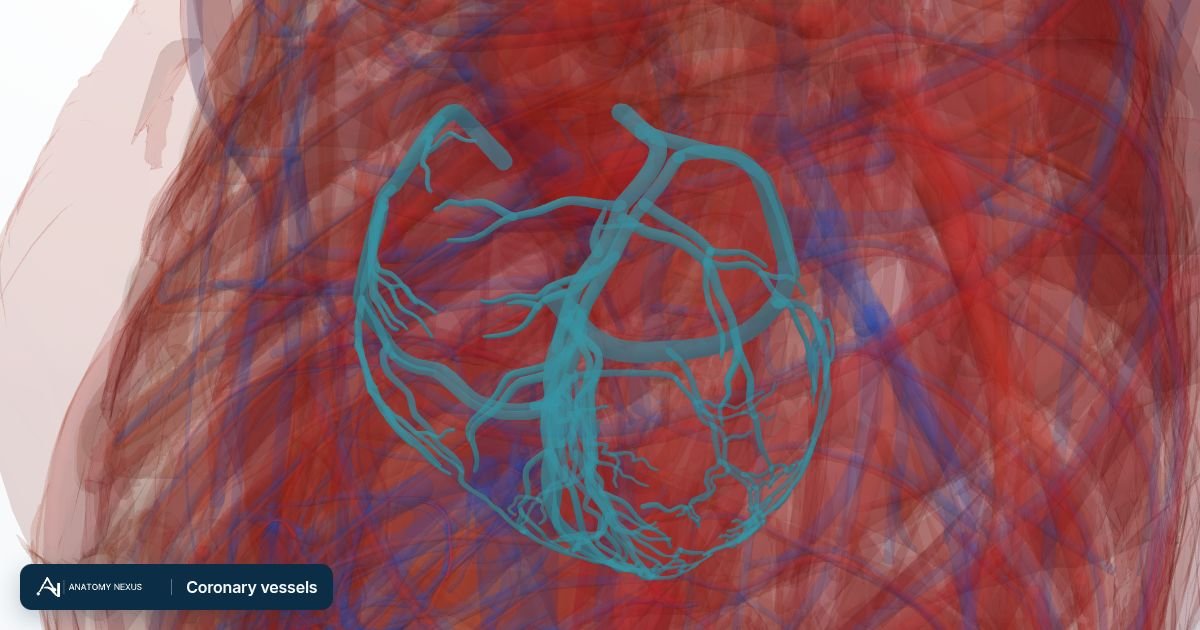
A continuous or pulsed X-ray beam produces a moving image on a screen, so the radiologist can watch swallowing, bowel movement, joint motion or the passage of contrast through blood vessels in real time. Angiography injects iodine contrast through a fine catheter threaded into an artery, mapping the vessel tree and allowing treatment (angioplasty, stents, coiling, clot removal) in the same session.
What it shows
- Swallowing problems and reflux (barium or water-soluble swallow)
- Bowel narrowing, fistulas, leaks after surgery
- Blood vessel narrowing, blockage, aneurysms and bleeding points
- Coronary arteries during cardiac catheterisation
- Guiding the placement of tubes, lines, stents and orthopaedic hardware
Best for
- Anything that must be watched moving
- Combining diagnosis and treatment in one sitting (interventional radiology and cardiology)
- Checking that a catheter, wire or stent is in the right place
Not the right tool for
- Routine diagnosis where a still image will do (X-ray, CT) because screening time adds dose
- People who cannot cooperate with swallowing or positioning instructions
What to expect
- Modality
- Fluoroscopy
- Preparation
- Fasting for gut studies and angiography; kidney function and clotting checked; blood thinners managed; a cannula for sedation.
- Duration
- From 10 minutes for a swallow to 1-3 hours for complex interventional procedures.
- Radiation
- Highly variable: a barium swallow around 1.5 mSv, a diagnostic coronary angiogram about 7 mSv, long interventions much more. Skin can be injured after very prolonged screening.
- Contrast
- Barium for the gut (or a water-soluble alternative if a leak is suspected); iodine for vessels, joints and the urinary tract.
- Risks
- Radiation dose that rises with screening time; contrast reactions and kidney strain; for angiography, bleeding or damage at the artery puncture site, and rarely stroke or vessel injury.
Common uses
| Region | Typical question |
|---|---|
| Heart | Coronary angiography for heart attack and angina, with angioplasty and stenting |
| Brain | Cerebral angiography for aneurysms; mechanical thrombectomy in stroke |
| Gut | Barium swallow for dysphagia; contrast studies after bowel surgery |
| Limbs | Peripheral angiography and angioplasty for blocked leg arteries |
Studies this page covers
Named studies of the master test taxonomy that this modality page covers; each links to its test category.