



Coronary angioplasty and stenting
Also known as: PCI, percutaneous coronary intervention, primary PCI, stent, balloon angioplasty
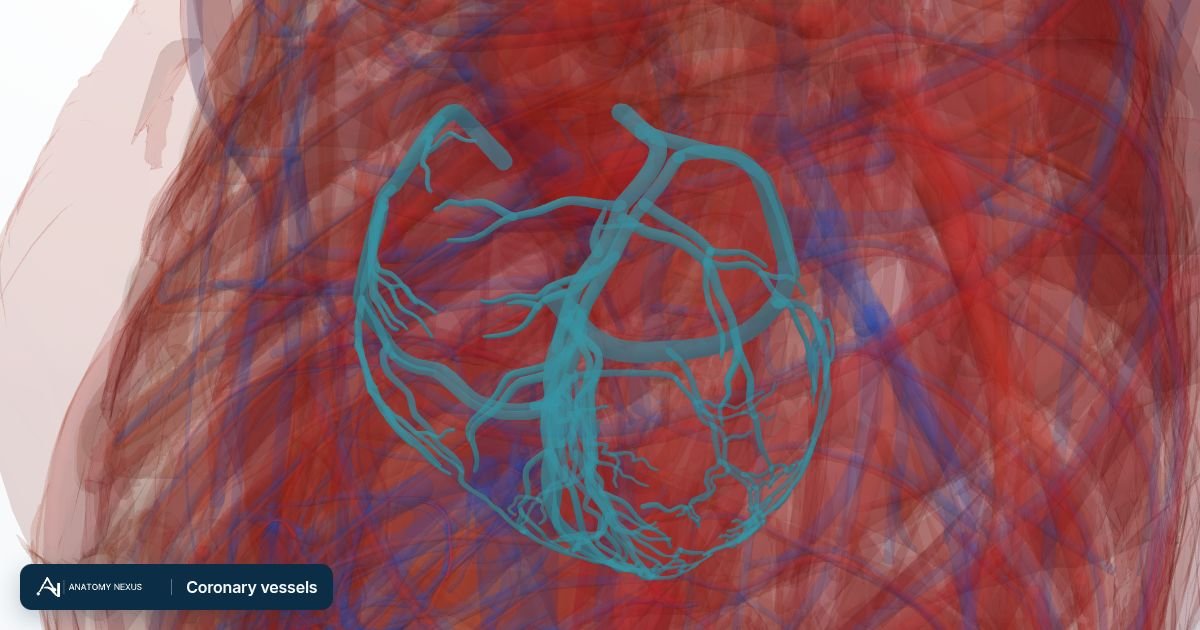
A narrowed or blocked coronary artery is opened from inside. A fine wire is steered across the narrowing through a catheter from the wrist or groin, a balloon is inflated to crush the plaque against the wall, and a drug-coated metal mesh stent is expanded to hold the artery open. As primary PCI it is the emergency treatment for a heart attack; electively it relieves angina.
What it is
A narrowed or blocked coronary artery is opened from inside. A fine wire is steered across the narrowing through a catheter from the wrist or groin, a balloon is inflated to crush the plaque against the wall, and a drug-coated metal mesh stent is expanded to hold the artery open. As primary PCI it is the emergency treatment for a heart attack; electively it relieves angina.
Why it is done
- ST-elevation heart attack (STEMI): open the artery within 120 minutes of diagnosis
- Non-ST-elevation heart attack and unstable angina, usually within days
- Stable angina not controlled by medication, or with a large area of ischaemia on testing
Before the procedure
- ECG, troponin, kidney function, clotting; a loading dose of aspirin and a second antiplatelet
- Nil by mouth if elective; in an emergency straight to the catheter lab
- Local anaesthetic to the wrist; mild sedation
Step by step
- A sheath is placed in the radial (or femoral) artery and heparin given
- Catheters are passed to the origin of each coronary artery and contrast injected to map the narrowings
- A guidewire is steered across the lesion
- A balloon is inflated for seconds to open the narrowing, with the ECG watched for ischaemia
- A drug-eluting stent on a balloon is positioned and expanded to the artery's size; a final angiogram confirms flow
- The sheath is removed and the wrist compressed with a band
Afterwards
- Bed rest for a few hours (longer for femoral access); home the next day for elective cases, 2-3 days after a heart attack
- Dual antiplatelet therapy for 6-12 months to stop clot forming on the stent, then aspirin for life
- Statin, beta blocker and ACE inhibitor as indicated; cardiac rehabilitation
Recovery
Back to light activity within days and work in a week or two for elective procedures; after a heart attack, structured rehabilitation over 6-12 weeks.
Risks
- Bruising or bleeding at the puncture site; rarely damage to the artery
- Contrast kidney injury and allergy
- Heart attack, stroke or death during the procedure (well under 1% electively, higher in emergencies)
- Stent thrombosis (rare, but serious if antiplatelets are stopped early); restenosis within the stent over years
- Emergency bypass surgery (rare)
Alternatives
- Medication alone for stable angina (equally good for survival in many cases)
- Coronary artery bypass grafting for three-vessel or left main disease, especially with diabetes
- Thrombolysis (clot-busting drugs) when PCI cannot be delivered in time