Medication · Cardiovascular · full clinical detail
Atorvastatin
A high-intensity statin that lowers LDL cholesterol by blocking its production in the liver, cutting the risk of heart attack and stroke in people at raised cardiovascular risk.
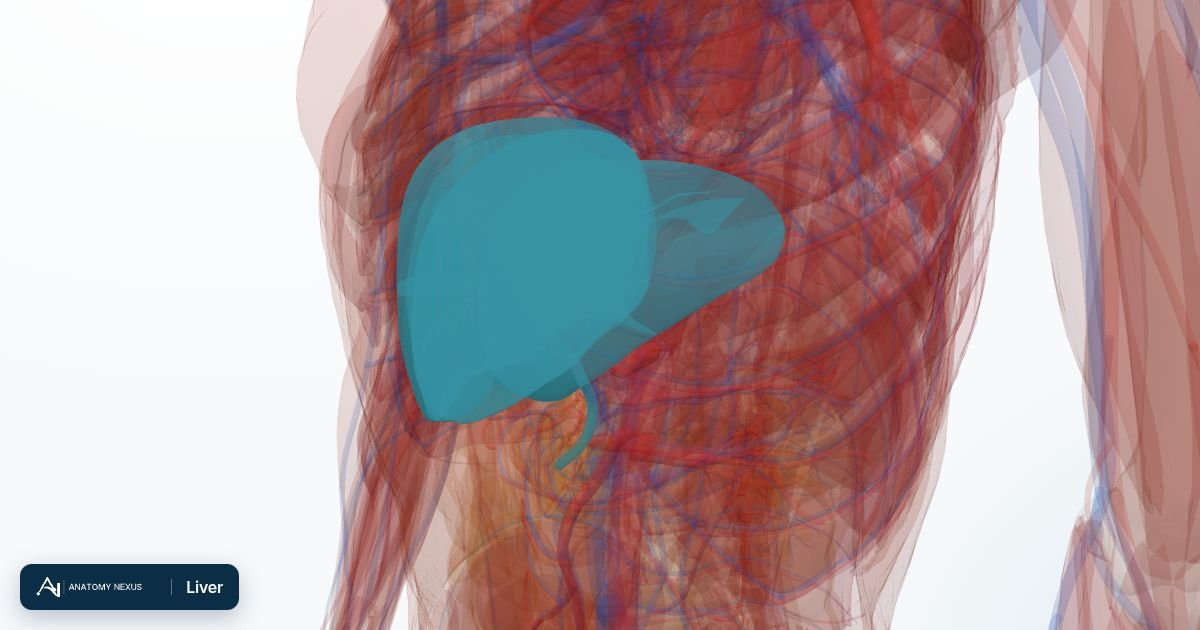
Atorvastatin blocks an enzyme the liver uses to make cholesterol. The liver responds by pulling more LDL ('bad') cholesterol out of the blood, so less is deposited in artery walls and the risk of heart attack and stroke falls.
Route
Oral (tablets, chewable tablets, oral suspension)
Uses
Licensed indications
Use
Status
Country · source
Note
Primary hypercholesterolaemia, heterozygous familial hypercholesterolaemia and combined (mixed) hyperlipidaemia when diet is insufficient
NICE: atorvastatin 20 mg for primary prevention when 10-year QRISK is 10% or more, and for most adults with type 2 diabetes, chronic kidney disease or type 1 diabetes with risk factors
Licensed indications come from the product licence in the named country; guideline-supported and off-label uses are cited to the guideline that supports them. Licensing differs between countries.
How it works
Atorvastatin blocks an enzyme the liver uses to make cholesterol. The liver responds by pulling more LDL ('bad') cholesterol out of the blood, so less is deposited in artery walls and the risk of heart attack and stroke falls.
Blocks HMG-CoA reductase, the rate-limiting enzyme the liver uses to make cholesterol. The liver responds by putting more LDL receptors on its surface to pull cholesterol out of the blood, so LDL falls by 40-55%. Statins also stabilise the fatty plaques in artery walls, making them less likely to rupture and cause a clot.
Mechanism of action
Atorvastatin is a competitive, reversible inhibitor of HMG-CoA reductase, the rate-limiting enzyme of hepatic cholesterol synthesis. Lower intracellular cholesterol activates SREBP-2, which increases LDL-receptor expression on hepatocytes, so LDL and VLDL remnants are cleared from plasma faster; LDL cholesterol falls by about 40-55% depending on dose (high-intensity at 40-80 mg), with modest reductions in triglycerides and a small rise in HDL. Beyond lipids, statins reduce inflammation in plaques and improve endothelial function, contributing to plaque stabilisation. Atorvastatin is metabolised by CYP3A4, so strong inhibitors (clarithromycin, itraconazole, ciclosporin, some HIV protease inhibitors, large amounts of grapefruit juice) raise exposure and myopathy risk. Its active metabolites give a long duration of effect, allowing dosing at any time of day.
Muscle aches (real in a minority; most reported aches occur equally on placebo)
Headache, nausea, bowel changes
Small rise in blood glucose (slightly earlier diagnosis of diabetes in those already at risk)
Serious: seek help
Myopathy and rhabdomyolysis (muscle breakdown, very rare), more with high doses, interacting drugs and hypothyroidism
Liver enzyme rise (rare, usually harmless), haemorrhagic stroke risk very slightly higher in those with a previous bleed
Source: NHS: Atorvastatin. Frequencies follow the source's categories; no percentages are invented.
Serious safety information
Special warning. Muscle effects: unexplained muscle pain, tenderness or weakness, particularly with fever or dark urine, may indicate myopathy or rhabdomyolysis; UK information advises seeking urgent advice and a creatine kinase test. Risk rises with high doses, interacting drugs, older age, hypothyroidism and kidney impairment. UK
Special warning. Rare immune-mediated necrotising myopathy and interstitial lung disease have been reported with statins; persistent breathlessness or cough, or weakness that continues after stopping, needs assessment. UK
Warnings and precautions
Liver. Liver enzymes can rise; liver function is measured before treatment, within 3 months and at 12 months, and treatment is reviewed if transaminases exceed three times the upper limit. UK
Pregnancy. Contraindicated in pregnancy: UK information advises stopping atorvastatin three months before trying to conceive and not taking it while pregnant or breastfeeding, because cholesterol synthesis is needed for fetal development. UK
Precaution. Blood glucose can rise slightly and diabetes can be diagnosed a little earlier in people already at risk; the cardiovascular benefit outweighs this and treatment is continued with glucose monitoring. UK
Contraindications
Factor
Detail
Strength
Country · source
Active liver disease
Contraindicated in active liver disease and in unexplained persistent elevation of transaminases.
"Absolute" and "relative" follow the wording of the cited source; where the source does not classify, the cell is blank.
Interactions
Check interactions
Taking Atorvastatin with other medicines? Add them to the checker to see what the official sources say about each pair: the mechanism, general management and monitoring, never a bare "safe".
Interactions documented in the official sources cited on each card. The list covers the medicines represented on this site and is not exhaustive; how the interaction data is compiled.
Other medicines
Atorvastatin + Fusidic acid (systemic)
Contraindicated or avoidOfficial guidance: avoid the combination
Systemic fusidic acid with a statin has caused fatal rhabdomyolysis.
Why it can occur
additive myopathy risk
What official information says
UK regulators advise that statins should not be taken with systemic fusidic acid; the statin is paused during treatment and for 7 days after the last dose.
What to discuss with a clinician
Official UK advice: pause the statin during fusidic acid and for 7 days after.
What may be monitored
Muscle symptoms
Context
Onset: Days to weeks
Basis of the status
MHRA Drug Safety Update: statins with systemic fusidic acid – avoid
UK information lists these antibiotics among medicines to tell a doctor about; the BNF advises a reduced atorvastatin dose or avoiding the combination.
What to discuss with a clinician
Official UK guidance: the atorvastatin dose is limited (or the statin paused) during the course; report muscle pain.
What may be monitored
Muscle symptoms · Creatine kinase if symptoms
Context
Onset: Days
Basis of the status
BNF: Atorvastatin interactions (adjust dose or avoid with clarithromycin or erythromycin)
Clarithromycin and erythromycin raise atorvastatin levels several-fold, increasing the risk of myopathy and rhabdomyolysis.
Why it can occur
CYP inhibition · Strong CYP3A4 inhibition; the BNF gives erythromycin the same dose-limit-or-avoid advice as clarithromycin
What official information says
UK information lists these antibiotics among medicines to tell a doctor about; the BNF advises a reduced atorvastatin dose or avoiding the combination.
What to discuss with a clinician
Official UK guidance: the atorvastatin dose is limited (or the statin paused) during the course; report muscle pain.
What may be monitored
Muscle symptoms · Creatine kinase if symptoms
Context
Onset: Days
Basis of the status
BNF: Atorvastatin interactions (adjust dose or avoid with clarithromycin or erythromycin)
Therapeutic duplication. Two statins together add muscle and liver toxicity without additional benefit; combinations for extra LDL lowering use ezetimibe or other classes instead. UK
Food and drink
With
Effect
Official advice
Grapefruit juice
Large amounts of grapefruit juice inhibit intestinal CYP3A4 and raise atorvastatin levels, increasing the risk of muscle side effects. (CYP inhibition)
UK information advises against drinking large quantities of grapefruit juice; an occasional small glass is unlikely to matter. UK
Alcohol
Regular heavy drinking raises the risk of liver problems and muscle damage with statins. (Additive hepatotoxicity; alcohol-related myopathy)
UK information states alcohol can be drunk in moderation (within the 14 units a week guideline); heavy drinking should be avoided. UK
Herbal remedies and supplements
With
Effect
Official advice
St John's wort
May reduce atorvastatin levels by inducing its metabolism, lowering its cholesterol-lowering effect
UK information advises telling a doctor or pharmacist before taking St John's wort with atorvastatin. UK
Monitoring
What
Why
Tests and markers
Source
Lipid profile
Baseline and at 3 months to confirm a reduction of more than 40% in non-HDL cholesterol (primary prevention) or attainment of LDL 2.0 / non-HDL 2.6 mmol/L (secondary prevention); then annually
Thyroid function before starting if hypothyroidism is possible (it raises cholesterol and myopathy risk); HbA1c or glucose in people at risk of diabetes
Contraindicated. UK information advises stopping atorvastatin at least three months before trying for a baby and stopping immediately if pregnancy occurs; cholesterol is needed for fetal development and safety has not been established. UK
Breastfeeding
Not recommended while breastfeeding; UK information states it is not known whether atorvastatin passes into milk in amounts that could affect the baby. UK
Children
Licensed from 10 years for heterozygous familial hypercholesterolaemia under specialist care; NICE recommends statin treatment for children with FH from about 10 years. UK
Older adults
No dose change is required, but myopathy risk is higher over 70, particularly with interacting drugs and reduced kidney function; benefit for primary prevention over 85 is uncertain and decided individually. UK
Kidney impairment
No dose adjustment for kidney impairment (unlike rosuvastatin); chronic kidney disease is itself an indication for atorvastatin 20 mg, and myopathy risk is somewhat higher. UK
Liver impairment
Contraindicated in active liver disease; used with caution in a history of liver disease or heavy alcohol use, with liver function monitoring. UK
Previous haemorrhagic stroke: statins are used with caution, as high-dose treatment was associated with a small increase in recurrent haemorrhage in one trial.
Educational summary of drug–condition cautions in the cited sources; not a personal screening.
Effects on tests and results
LDL cholesterol: LDL and total cholesterol fall by 40-55%, non-HDL cholesterol similarly; the intended effect, checked at 3 months. UK
ALT (alanine aminotransferase): ALT and AST can rise, usually mildly and transiently; a rise above three times the upper limit prompts review. UK
HbA1c (glycated haemoglobin): HbA1c and fasting glucose can rise slightly, particularly in people already at risk of diabetes. UK
Creatine kinase rises in statin myopathy; a level above five times the upper limit with symptoms is a reason to stop. UK
Pharmacokinetics
Absorption
Rapidly absorbed; oral bioavailability about 12% because of extensive first-pass metabolism; food reduces the rate but not the extent of LDL lowering
Peak
1-2 hours
Half-life
About 14 hours for the parent drug, 20-30 hours for HMG-CoA reductase inhibitory activity because of active metabolites; can be taken at any time of day
Metabolism
CYP3A4 to active ortho- and para-hydroxylated metabolites; OATP1B1 transports it into hepatocytes
Elimination
Mainly in bile after metabolism; less than 2% in urine; not removed by dialysis
Dosing is intentionally not described: doses depend on the indication, the country's licence, kidney and liver function, age, weight and other medicines, and are set by a prescriber.
Medicines that share the class of Atorvastatin. They are separate medicines with their own licences, doses and interactions, not alternative names for Atorvastatin.
Medicines often discussed alongside Atorvastatin: used together, compared with it, or acting on the same problem by a different route.
Educational content. Anatomy Nexus provides medical education and does not replace professional medical advice, diagnosis, treatment, prescribing or pharmacist review. Doses, choices and monitoring are decided by a prescriber for an individual; never start, stop or change a medicine on the basis of this page.