



HMG-CoA reductase
Also known as: 3-hydroxy-3-methylglutaryl-coenzyme A reductase, HMGCR
The enzyme that controls the speed of cholesterol synthesis in the liver. Statins block it, so liver cells make less cholesterol and pull more LDL out of the blood, lowering LDL cholesterol and the risk of heart attack and stroke.
- Kind
- enzyme
- Also called
- 3-hydroxy-3-methylglutaryl-coenzyme A reductase, HMGCR
- Where it is found
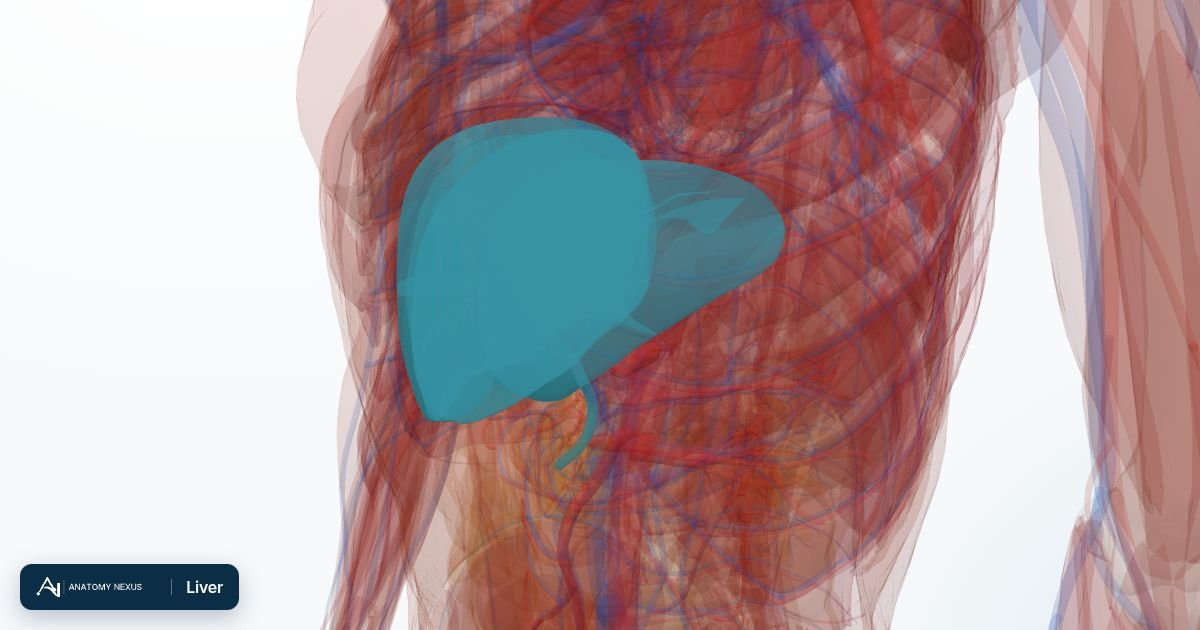
- The endoplasmic reticulum of liver cells (hepatocytes), and at lower levels in all nucleated cells.
What it does
Cholesterol is built in a long chain of reactions, and the conversion of HMG-CoA to mevalonate by HMG-CoA reductase is the rate-limiting step and the point the cell regulates. Statins are close mimics of HMG-CoA that sit in the enzyme's active site. When synthesis falls, the liver cell senses low cholesterol and responds by displaying more LDL receptors on its surface, which capture LDL particles from the blood; that receptor response, more than the fall in synthesis itself, is what lowers LDL cholesterol by 30 to 55% depending on the statin and dose. The enzyme is present in every cell, but statins are taken up mostly by the liver, which is why their main effects and most of their side effects (including the rise in liver enzymes) relate to it. Muscle symptoms are thought to involve the same pathway in muscle cells.
Role in the body
Rate-limiting step of cholesterol biosynthesis; its inhibition upregulates hepatic LDL receptors.