



ALT (alanine aminotransferase)
Also known as: ALT, alanine transaminase, SGPT
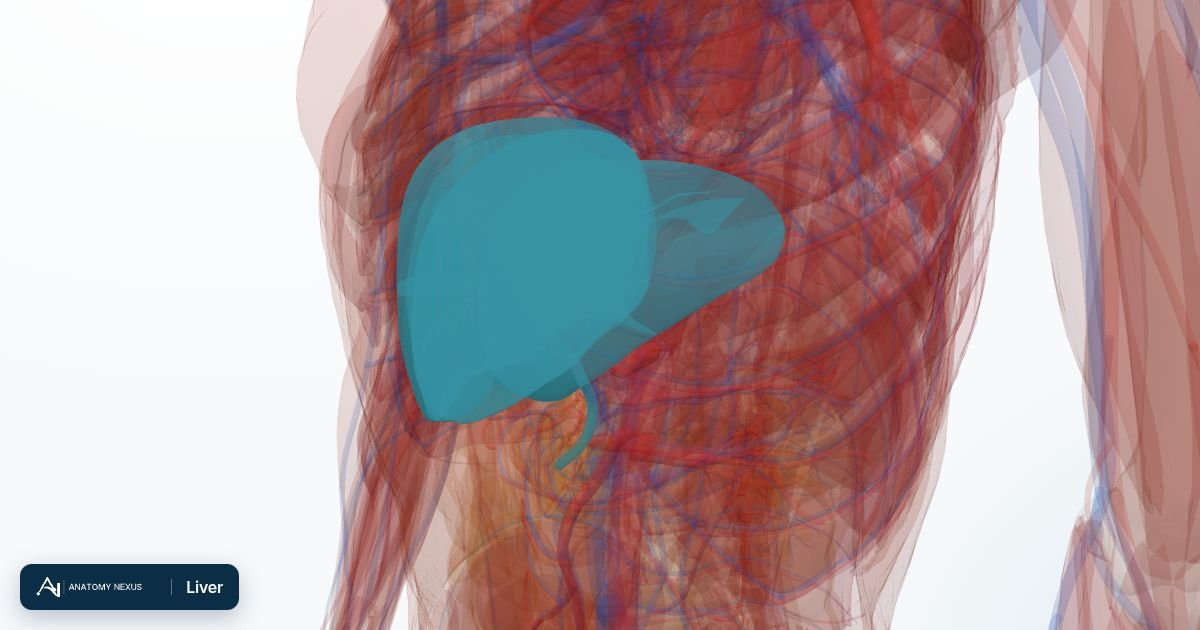
An enzyme concentrated in liver cells that leaks into blood when they are injured. The most liver-specific of the routine liver blood tests and the one that rises first in fatty liver disease, viral hepatitis and drug-induced injury.
- Also known as
- ALT, alanine transaminase, SGPT
- Units
- U/L (units per litre); reference limits differ by laboratory and sex
- Measured by
- Liver function tests
What it is and what it does
ALT sits in the cytoplasm of hepatocytes, where it shuttles amino groups between amino acids as part of energy metabolism. Damage to the cell membrane releases it into the circulation, so the level rises with hepatocellular injury of any cause: viral hepatitis, alcohol, non-alcoholic fatty liver disease, autoimmune hepatitis, drugs and toxins, or a congested liver in heart failure. Because ALT is mostly confined to the liver it is more specific than AST, and the ratio between the two helps distinguish alcohol-related disease (AST higher) from other causes (ALT higher). A mildly raised ALT is common and often reflects fatty liver; a level many times the upper limit points to acute hepatitis, ischaemia or paracetamol toxicity.
Why it may be higher
- Non-alcoholic fatty liver disease, obesity, type 2 diabetes
- Viral hepatitis (A, B, C, E), glandular fever
- Alcohol; medicines such as paracetamol in overdose, statins, antibiotics, antiepileptics, methotrexate
- Autoimmune hepatitis, haemochromatosis, Wilson disease, coeliac disease
- Ischaemic liver injury, heart failure with congestion, bile-duct obstruction (with ALP)
- Strenuous exercise and muscle injury (smaller effect than on AST)
Why it may be lower
- A low value has little clinical meaning; vitamin B6 deficiency and advanced cirrhosis with few remaining hepatocytes can lower it
A high or low value can be associated with several different situations. The result is interpreted with other results, symptoms, history and clinical findings.
What can affect the result
- Recent strenuous exercise, alcohol and new medicines
- Body weight and sex change the reference interval
- Haemolysed samples
- Time of day (slightly higher in the afternoon)
Medicines that can change it
Each medicine page lists its effect on this marker under "Effects on tests and results", with the source.