Medication · Antibiotics · full clinical detail

Azithromycin

A macrolide antibiotic that stops bacteria making proteins, given as a short course (often three days) for chest, ear, sinus, skin and sexually transmitted infections and as an alternative in penicillin allergy; long-lasting in tissues, with cautions about heart rhythm and interactions.

Open in the 3D explorerLungs anatomyCheck interactions
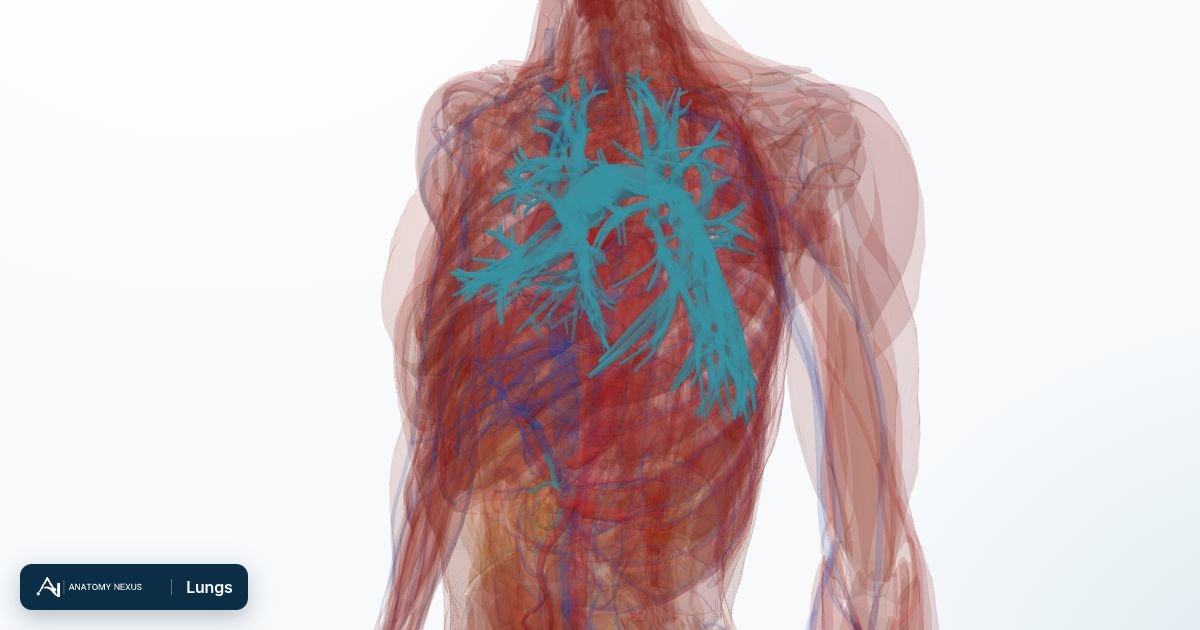
3D model of the Lungs in the Anatomy Nexus anatomy atlas
Interactive 3D model: Lungs. Orbit, zoom and click the structures.Load the 3D model
Generic name
Azithromycin
Active ingredient
Azithromycin (variants: azithromycin dihydrate)
Product type
Small-molecule medicine
Drug class
Macrolides
Brand names
UK Zithromax, Zedbac · US Zithromax, Zithromax Z-Pak, Zmax · EU Zithromax, Zitromax, Azitro
Routes
Oral, Intravenous, Ophthalmic (Oral (capsules, tablets, oral suspension); intravenous infusion; eye drops)
Dosage forms
Capsule, Tablet, Suspension, Infusion, Eye drops
Forms
Capsules and tablets 250 and 500 mg, oral suspension; usually 500 mg once daily for 3 days, or a single 1 g dose for chlamydia; intravenous infusion in hospital
Onset and duration
Improvement expected within 2-3 days; tissue levels persist for 5-7 days after a 3-day course.
Terminology
RxNorm RxCUI 18631 · ATC J01FA10 · FDA EPC Macrolide Antimicrobial [EPC]

Availability by country

CountryStatusNoteSource
UKPrescription only UK
USPrescription only US

Legal status differs between countries and can change; each row cites the document it was taken from and applies only to the country named.

Common use
Pneumonia, Pneumonia
Drug class
Macrolides
Target system
Respiratory, Lymphatic & immune, Skin
How it works
Azithromycin stops bacteria from making the proteins they need to grow and multiply. Your immune system then clears the weakened bacteria. It builds up inside cells and stays in the body for days, so a course can be as short as three days.
Route
Oral (capsules, tablets, oral suspension); intravenous infusion; eye drops

Uses

Licensed indications

UseStatusCountry · sourceNote
PneumoniaLicensedUK UKRespiratory tract infections including community-acquired pneumonia, and acute exacerbations of COPD
Otitis media, sinusitis, pharyngitis and tonsillitis, skin and soft-tissue infections, uncomplicated genital chlamydia and non-gonococcal urethritis, typhoid, Lyme disease (early), and prevention of Mycobacterium avium complex infectionLicensedUK UK
PneumoniaLicensedUS USBronchitis, pneumonia, sexually transmitted diseases and infections of the ears, lungs, sinuses, skin, throat and reproductive organs; prevention of disseminated MAC infection

Other clinically supported uses

UseStatusCountry · sourceNote
PneumoniaGuideline-supportedUK UKNICE: an alternative first-choice for low-severity community-acquired pneumonia in penicillin allergy, and added to amoxicillin (or used as an alternative) for moderate severity
Chronic obstructive pulmonary disease (COPD)Off-label (unlicensed)UK UKNICE: azithromycin prophylaxis (unlicensed) for people with frequent exacerbations despite optimised treatment, after ECG, liver function and sputum culture, with hearing monitoring

Licensed indications come from the product licence in the named country; guideline-supported and off-label uses are cited to the guideline that supports them. Licensing differs between countries.

How it works

Azithromycin stops bacteria from making the proteins they need to grow and multiply. Your immune system then clears the weakened bacteria. It builds up inside cells and stays in the body for days, so a course can be as short as three days.

Binds to the bacterial ribosome (the 50S subunit) and blocks the tunnel through which new proteins leave, so the bacterium cannot make the proteins it needs to grow. Human ribosomes are built differently and are not affected. Azithromycin is concentrated inside cells, particularly white cells, which carry it to sites of infection, and it lingers in tissues for days after the last dose, which is why courses are short. Because it barely interferes with the liver's drug-metabolising enzymes, it has fewer interactions than erythromycin and clarithromycin.

Mechanism of action

Azithromycin is an azalide macrolide that binds reversibly to the 23S rRNA of the bacterial 50S ribosomal subunit within the peptide exit tunnel, blocking translocation and elongation of the nascent polypeptide; the effect is mainly bacteriostatic, bactericidal against some organisms at high concentrations. It achieves intracellular and tissue concentrations many times those in plasma, is delivered by phagocytes to infected tissue and has a tissue half-life of 2-4 days, allowing 3- to 5-day courses and single-dose regimens. Its spectrum includes streptococci, Haemophilus, Moraxella, atypical respiratory pathogens (Mycoplasma pneumoniae, Chlamydia, Legionella), Chlamydia trachomatis and Mycobacterium avium complex; pneumococcal macrolide resistance is common in some regions. Unlike erythromycin and clarithromycin it is a weak inhibitor of CYP3A4, but it inhibits P-glycoprotein (raising digoxin levels) and, like all macrolides, can prolong the QT interval. Long-term low-dose use in COPD and bronchiectasis works partly through anti-inflammatory and immunomodulatory effects.

Pathway

  1. Azithromycin
  2. Macrolide antibiotic
  3. Bacterial 50S ribosomal subunit
  4. Concentrated inside white cells and tissues
  5. Bacterial protein synthesis blocked
  6. Bacteria stop multiplying; immune clearance
  7. Chest, ear, sinus, skin and genital infections
  8. Pneumonia, COPD exacerbations, chlamydia

What it acts on

Body systems affected

Side effects

Common

  • Diarrhoea, nausea, stomach pain, wind, loss of appetite
  • Headache, dizziness, altered taste
  • Thrush (oral or vaginal)

Serious: seek help

  • Allergic reactions including anaphylaxis and severe skin reactions
  • Heart rhythm disturbance from QT prolongation, particularly with other QT-prolonging drugs, low potassium or magnesium, or existing heart rhythm problems
  • Liver injury (jaundice, dark urine, pale stools)
  • Severe or persistent diarrhoea (Clostridioides difficile infection)
  • Worsening of myasthenia gravis; hearing loss with long courses

Source: NHS: Azithromycin. Frequencies follow the source's categories; no percentages are invented.

Serious safety information

  • Special warning. QT prolongation and arrhythmia: macrolides can prolong the QT interval and have been associated with torsades de pointes and sudden cardiac death; risk is higher with other QT-prolonging medicines, low potassium or magnesium, bradycardia, heart failure and congenital long QT. UK
  • Special warning. Severe allergic and skin reactions including anaphylaxis, angioedema, Stevens-Johnson syndrome and DRESS: UK information advises stopping and seeking urgent help for swelling, breathing difficulty or a blistering rash. UK
  • Special warning. Clostridioides difficile-associated diarrhoea can occur during or after treatment; severe or persistent diarrhoea needs assessment. UK

Warnings and precautions

  • Liver. Hepatotoxicity: abnormal liver function, hepatitis, cholestatic jaundice and rarely liver failure have been reported; stop and seek assessment for jaundice, dark urine or severe abdominal pain. UK
  • Other. Myasthenia gravis: macrolides can worsen muscle weakness; caution in people with myasthenia. UK
  • Monitoring. Long-term prophylaxis: baseline ECG (avoid if QTc is prolonged), liver function tests and hearing assessment, repeated during treatment; reviewed after 3 months and then at least every 6 months. UK

Contraindications

FactorDetailStrengthCountry · source
Hypersensitivity to macrolidesContraindicated with a history of allergy to azithromycin, erythromycin, clarithromycin or any macrolide.absoluteUK UK
Severe hepatic impairmentAvoided in severe liver disease; caution in milder impairment with liver function monitoring.relativeUK UK
Prolonged QTc for prophylaxisLong-term prophylactic azithromycin is not started when the baseline QTc is prolonged or with other risk factors for arrhythmia.relativeUK UK

"Absolute" and "relative" follow the wording of the cited source; where the source does not classify, the cell is blank.

Interactions

Check interactions

Taking Azithromycin with other medicines? Add them to the checker to see what the official sources say about each pair: the mechanism, general management and monitoring, never a bare "safe".

Check Azithromycin interactions

Interactions documented in the official sources cited on each card. The list covers the medicines represented on this site and is not exhaustive; how the interaction data is compiled.

Other medicines

Azithromycin + Macrolides (class)

Contraindicated or avoidOfficial guidance: avoid the combinationtherapeutic duplication

Two macrolide antibiotics together (azithromycin with clarithromycin or erythromycin) add QT prolongation and gut side effects without benefit.

Why it can occur
QT prolongation
What official information says
Macrolides share cautions on QT prolongation; guidance never combines them.
What to discuss with a clinician
One macrolide at a time.
Basis of the status
BNF: Clarithromycin cautions (QT prolongation); therapeutic duplication
Sources
BNF: Clarithromycin (Cautions) UK
BNF: Azithromycin interactions (Interactions) UK
Review
Facts checked against the cited sources; not yet clinically reviewed · last reviewed 12 September 2026

Azithromycin + Warfarin

ModerateMonitoring or dose adjustment advised

Azithromycin can raise the INR and bleeding risk in people on warfarin.

Why it can occur
other
What official information says
UK information lists warfarin among medicines to tell a doctor about when prescribed azithromycin; the BNF advises monitoring the INR.
What to discuss with a clinician
Official guidance: extra INR checks during and after the course.
What may be monitored
INR
Basis of the status
BNF: Azithromycin interactions (enhanced anticoagulant effect; monitor INR)
Sources
NHS: Azithromycin (Taking it with other medicines and herbal supplements · Medicines that interact with azithromycin) UK
BNF: Azithromycin interactions (Interactions) UK
MedlinePlus: Azithromycin (What special precautions should I follow?) US
Review
Facts checked against the cited sources; not yet clinically reviewed · last reviewed 12 September 2026

Direction: Azithromycin affects Warfarin.

Azithromycin + Other QT-prolonging medicines (amiodarone, sotalol, some antipsychotics, quinolones, ondansetron)

ModerateMonitoring or dose adjustment advised

Azithromycin with other medicines that prolong the QT interval (amiodarone, sotalol, some antipsychotics and antidepressants, quinolone antibiotics, ondansetron) increases the risk of dangerous heart rhythms.

Why it can occur
QT prolongation
What official information says
US information advises telling a doctor about medicines for irregular heartbeat and other listed drugs, whose doses may need changing or monitoring; the BNF advises caution or avoidance depending on the drug.
What to discuss with a clinician
Official information: an alternative antibiotic where possible; otherwise ECG and electrolyte monitoring.
What may be monitored
ECG (QT interval) · Potassium and magnesium · Potassium and magnesium
Context
Higher risk with heart disease, bradycardia, low potassium or magnesium, older age
Basis of the status
MedlinePlus: Azithromycin precautions (doses may need changing or monitoring with these medicines)
Sources
MedlinePlus: Azithromycin (What special precautions should I follow?) US
BNF: Azithromycin interactions (Interactions) UK
BNF: Azithromycin (Cautions) UK
Review
Facts checked against the cited sources; not yet clinically reviewed · last reviewed 12 September 2026

Azithromycin + Citalopram

ModerateMonitoring or dose adjustment advised

Azithromycin with citalopram, which also prolongs the QT interval, increases the risk of dangerous heart rhythms.

Why it can occur
QT prolongation
What official information says
US information advises telling a doctor about medicines for irregular heartbeat and other listed drugs, whose doses may need changing or monitoring; the BNF advises caution or avoidance depending on the drug.
What to discuss with a clinician
Official information: an alternative antibiotic where possible; otherwise ECG and electrolyte monitoring.
What may be monitored
ECG (QT interval) · Potassium and magnesium · Potassium and magnesium
Context
Higher risk with heart disease, bradycardia, low potassium or magnesium, older age
Basis of the status
MedlinePlus: Azithromycin precautions (doses may need changing or monitoring with these medicines)
Sources
MedlinePlus: Azithromycin (What special precautions should I follow?) US
BNF: Azithromycin interactions (Interactions) UK
BNF: Azithromycin (Cautions) UK
Review
Facts checked against the cited sources; not yet clinically reviewed · last reviewed 12 September 2026

Azithromycin + Digoxin

ModerateMonitoring or dose adjustment advised

Macrolides raise digoxin levels, which can cause nausea, visual disturbance and arrhythmia.

Why it can occur
transporter inhibition · P-glycoprotein inhibition and altered gut flora
What official information says
The BNF advises monitoring digoxin levels with azithromycin; US information lists digoxin among medicines to tell a doctor about.
What to discuss with a clinician
Official guidance: digoxin levels and symptoms monitored during the course.
What may be monitored
Digoxin level · Heart rate
Basis of the status
BNF: Azithromycin interactions (increased digoxin concentration; monitor)
Sources
BNF: Azithromycin interactions (Interactions) UK
MedlinePlus: Azithromycin (What special precautions should I follow?) US
Review
Facts checked against the cited sources; not yet clinically reviewed · last reviewed 12 September 2026

Direction: Azithromycin affects Digoxin.

Azithromycin + Ciclosporin

ModerateMonitoring or dose adjustment advised

Azithromycin can raise ciclosporin levels and toxicity.

Why it can occur
transporter inhibition
What official information says
The BNF advises monitoring ciclosporin levels with azithromycin.
What to discuss with a clinician
Official guidance: ciclosporin levels and kidney function monitored.
What may be monitored
Ciclosporin level · Kidney function
Basis of the status
BNF: Azithromycin interactions (increased ciclosporin concentration; monitor)
Sources
BNF: Azithromycin interactions (Interactions) UK
MedlinePlus: Azithromycin (What special precautions should I follow?) US
Review
Facts checked against the cited sources; not yet clinically reviewed · last reviewed 12 September 2026

Direction: Azithromycin affects Ciclosporin.

Azithromycin + Antacids containing aluminium or magnesium hydroxide

Severity not gradedInteraction documented

Antacids containing aluminium or magnesium reduce the peak level of azithromycin.

Why it can occur
reduced absorption
What official information says
US information advises taking azithromycin at least 1 hour before or 2 hours after antacids containing aluminium or magnesium hydroxide.
What to discuss with a clinician
Official information: separate the doses.
Basis of the status
MedlinePlus: Azithromycin (take 1 hour before or 2 hours after antacids)
Sources
MedlinePlus: Azithromycin (How should this medicine be used?) US
NHS: Azithromycin (Taking it with other medicines and herbal supplements · Medicines that interact with azithromycin) UK
BNF: Azithromycin interactions (Interactions) UK
Review
Facts checked against the cited sources; not yet clinically reviewed · last reviewed 12 September 2026

Direction: Antacids affects Azithromycin.

Therapeutic duplication. Two macrolides together add QT prolongation and gut side effects without benefit. UK

Food and drink

WithEffectOfficial advice
Food (capsules)Food reduces the absorption of azithromycin capsules, so they are taken at least 1 hour before or 2 hours after a meal; tablets and suspension can be taken with or without food. (reduced absorption)UK information advises taking capsules on an empty stomach and tablets or liquid with or without food. UK

Alcohol

Alcohol does not interact with azithromycin, although it may worsen nausea and stomach upset. (No pharmacological interaction)

UK information states alcohol can be drunk while taking azithromycin. UK

Monitoring

WhatWhyTests and markersSource
Clinical responseImprovement expected within 48-72 hours; review the diagnosis and organism if notCRP test, C-reactive protein (CRP) UK
ECG, liver function and hearing (long-term prophylaxis)Baseline ECG and liver tests before starting prophylaxis, repeated during treatment; hearing checks because of ototoxicity with prolonged useElectrocardiogram, Liver function tests, ALT (alanine aminotransferase) UK
Potassium and magnesiumCorrected before treatment in people at risk of arrhythmia, because low levels add to QT prolongationElectrolytes, Potassium UK
INR (on warfarin)Extra INR checks during and after the course UK

Special populations

Pregnancy
UK information states azithromycin is not usually recommended in pregnancy unless the benefit outweighs the risk, though there is no strong evidence of harm; it is the treatment of choice for chlamydia in pregnancy, where a doctor will prescribe it. UK
Breastfeeding
UK information states azithromycin can be taken while breastfeeding; small amounts pass into milk and may cause loose stools or thrush in the baby. UK
Children
Licensed from 6 months (oral suspension) at weight-based doses for respiratory, ear, skin and other infections; capsules from 45 kg. UK
Older adults
No dose adjustment, but older people are more likely to have conditions and medicines that prolong the QT interval, and hearing loss with prolonged courses. UK
Kidney impairment
No adjustment for mild to moderate impairment; used with caution when eGFR is below 10, where exposure rises. UK
Liver impairment
Azithromycin is eliminated mainly by the liver; caution in hepatic impairment and avoidance in severe disease, with monitoring for hepatitis. UK

Condition-specific cautions

Condition or factorTypeNoteSource
Atrial fibrillationWarningHeart rhythm disorders, long QT and atrial fibrillation on rhythm-control drugs: risk of QT prolongation and torsades; ECG and electrolytes considered, alternatives preferred where possible. UK
CirrhosisWarningLiver disease: caution; avoid in severe impairment. UK
Heart failurePrecautionHeart failure: a risk factor for arrhythmia with QT-prolonging drugs; macrolide use is weighed carefully. UK
Myasthenia gravisOtherMyasthenia gravis: may worsen weakness. UK

Educational summary of drug–condition cautions in the cited sources; not a personal screening.

Effects on tests and results

  • C-reactive protein (CRP): CRP and white-cell count fall as infection responds. UK
  • ALT (alanine aminotransferase): Liver enzymes and bilirubin can rise (hepatitis, cholestasis); checked in long-term use and if symptoms appear. UK
  • Electrocardiogram: The QT interval on the ECG can lengthen; a baseline ECG is required before prophylactic use. UK
  • Digoxin levels rise through P-glycoprotein inhibition; levels are monitored when the two are combined. UK
  • INR can rise in people on warfarin. UK

Pharmacokinetics

Absorption
Oral bioavailability about 37%; capsules are reduced by food, tablets and suspension are not
Peak
2-3 hours in plasma; tissue levels far higher than plasma
Half-life
Terminal half-life about 68 hours (tissue half-life 2-4 days), giving activity for days after a short course
Metabolism
Limited hepatic demethylation; minimal CYP3A4 involvement
Elimination
Mainly unchanged in bile and faeces; about 6-12% in urine

Source: emc: Summary of Product Characteristics search for azithromycin (SmPC section 5.2 Pharmacokinetic properties).

Dosing is intentionally not described: doses depend on the indication, the country's licence, kidney and liver function, age, weight and other medicines, and are set by a prescriber.

Same-class and related medicines

Same class: Macrolides

Clarithromycinclarithromycinerythromycinroxithromycin

Medicines that share the class of Azithromycin. They are separate medicines with their own licences, doses and interactions, not alternative names for Azithromycin.

Related medicines

Medicines often discussed alongside Azithromycin: used together, compared with it, or acting on the same problem by a different route.

Educational content. Anatomy Nexus provides medical education and does not replace professional medical advice, diagnosis, treatment, prescribing or pharmacist review. Doses, choices and monitoring are decided by a prescriber for an individual; never start, stop or change a medicine on the basis of this page.