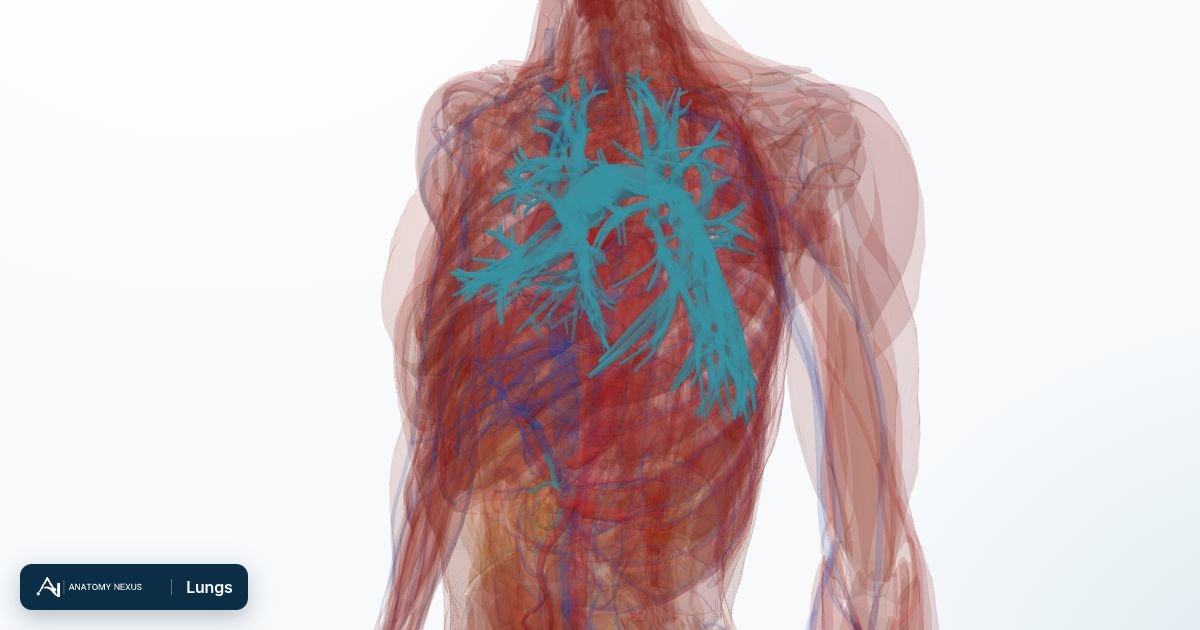
A widely used penicillin antibiotic that kills bacteria by breaking their cell walls, prescribed for chest, ear, sinus, dental and some urinary infections and as part of Helicobacter pylori treatment; useless against viruses and dangerous only in true penicillin allergy.
Amoxicillin attacks the wall that holds a bacterium together. Growing bacteria with a damaged wall burst and die. Human cells have no such wall, so the drug leaves them alone, but it also cannot touch viruses, which have no wall either.
Route
Oral (capsules, oral suspension, sachets); intravenous and intramuscular injection
NICE: amoxicillin only if culture results confirm susceptibility; nitrofurantoin or trimethoprim are first choice
Licensed indications come from the product licence in the named country; guideline-supported and off-label uses are cited to the guideline that supports them. Licensing differs between countries.
How it works
Amoxicillin attacks the wall that holds a bacterium together. Growing bacteria with a damaged wall burst and die. Human cells have no such wall, so the drug leaves them alone, but it also cannot touch viruses, which have no wall either.
Binds the penicillin-binding proteins that bacteria use to cross-link the peptidoglycan of their cell wall. Growing bacteria with a weakened wall burst under their own osmotic pressure. Human cells have no cell wall, which is why penicillins are so selective. Bacteria fight back with beta-lactamase enzymes that destroy the drug; clavulanic acid (in co-amoxiclav) blocks that enzyme. Antibiotics do nothing against viruses, the cause of most sore throats, colds and coughs.
Mechanism of action
Amoxicillin is an aminopenicillin, a beta-lactam that binds and inactivates penicillin-binding proteins (transpeptidases) in the bacterial cytoplasmic membrane, preventing cross-linking of peptidoglycan during cell-wall synthesis; autolytic enzymes then lyse the growing cell, so the effect is bactericidal and time-dependent (efficacy depends on the time the concentration stays above the MIC, hence three-times-daily dosing). Its spectrum covers streptococci including most pneumococci, many enterococci, Listeria, Haemophilus (non-beta-lactamase producers), Helicobacter pylori and some Enterobacterales, but it is destroyed by beta-lactamases; clavulanic acid in co-amoxiclav inhibits many of them. Amoxicillin is better absorbed orally than ampicillin and is excreted largely unchanged by the kidney, so doses are reduced in severe renal impairment and levels are raised by probenecid.
Non-allergic rash (very common in glandular fever, where amoxicillin should be avoided)
Serious: seek help
Anaphylaxis in true penicillin allergy (about 1 in 10,000 courses); most reported 'penicillin allergies' are not true allergy and can be safely delabelled
Clostridioides difficile colitis, especially with broad-spectrum agents in hospital
Liver injury with co-amoxiclav (cholestatic hepatitis), seizures at very high doses in kidney failure
Antimicrobial resistance across the population with every unnecessary course
Source: NHS: Amoxicillin. Frequencies follow the source's categories; no percentages are invented.
Serious safety information
Special warning. Allergy: anaphylaxis occurs in a small minority of people with true penicillin allergy; UK information advises stopping and seeking emergency help for swelling of the face, lips or throat, wheeze, tight chest or a widespread itchy rash. A previous serious reaction to any penicillin is a contraindication. UK
Special warning. Rash in glandular fever: a widespread non-allergic rash is very common when amoxicillin is given during infectious mononucleosis (and with some leukaemias), so it is avoided when glandular fever is suspected. UK
Special warning. Antibiotic-associated colitis: severe or persistent diarrhoea during or after treatment may be Clostridioides difficile infection, particularly in hospital and in older people. UK
Warnings and precautions
Kidney. Doses are reduced in severe renal impairment (eGFR below 30 for high doses, below 10 for standard doses) because amoxicillin is excreted by the kidney; crystalluria can occur with high doses and poor hydration. UK
Other. Antimicrobial resistance: every unnecessary course selects resistant bacteria; the drug does not treat viral sore throats, colds or most coughs, and the course is completed as prescribed. GLOBAL
Contraindications
Factor
Detail
Strength
Country · source
Penicillin hypersensitivity
Contraindicated in people with a history of hypersensitivity to penicillins; those with a history of immediate hypersensitivity to any beta-lactam should not receive it.
"Absolute" and "relative" follow the wording of the cited source; where the source does not classify, the cell is blank.
Interactions
Check interactions
Taking Amoxicillin with other medicines? Add them to the checker to see what the official sources say about each pair: the mechanism, general management and monitoring, never a bare "safe".
Interactions documented in the official sources cited on each card. The list covers the medicines represented on this site and is not exhaustive; how the interaction data is compiled.
Other medicines
Amoxicillin + Oral typhoid vaccine (live)
Contraindicated or avoidOfficial guidance: avoid the combination
Antibiotics inactivate the live oral typhoid vaccine.
Why it can occur
pharmacodynamic antagonism
What official information says
The BNF advises avoiding antibacterials for 3 days before and after the oral typhoid vaccine.
What to discuss with a clinician
Official guidance: the vaccine is given at least 3 days before or after an antibiotic course.
NHS: Amoxicillin(Taking it with other medicines and herbal supplements · Medicines that interact with amoxicillin)UK BNF: Amoxicillin interactions(Interactions)UK NHS: Warfarin(Taking it with other medicines and herbal supplements · Medicines that interact with warfarin)UK
Review
Facts checked against the cited sources; not yet clinically reviewed · last reviewed 12 September 2026
Allopurinol with amoxicillin increases the chance of a skin rash.
Why it can occur
other
What official information says
UK information lists allopurinol among medicines to tell a doctor about because of the increased risk of rash.
What to discuss with a clinician
Documented; a rash during the course is reported and assessed rather than assumed to be penicillin allergy.
What may be monitored
Rash
Basis of the status
NHS: Taking amoxicillin with other medicines (tell your doctor; rash)
Sources
NHS: Amoxicillin(Taking it with other medicines and herbal supplements · Medicines that interact with amoxicillin)UK BNF: Amoxicillin interactions(Interactions)UK NHS: Allopurinol(Taking it with other medicines and herbal supplements · Medicines that interact with allopurinol)UK
Review
Facts checked against the cited sources; not yet clinically reviewed · last reviewed 12 September 2026
UK information states amoxicillin is safe to take during pregnancy; it is one of the antibiotics most often used. UK
Breastfeeding
UK information states amoxicillin can be taken while breastfeeding; small amounts pass into milk and may occasionally cause loose stools or thrush in the baby. UK
Children
Licensed from birth at weight- or age-based doses; the liquid form is used for children and a rash in a child with a viral illness should be assessed rather than assumed to be allergy. UK
Older adults
No dose change unless kidney function is reduced; higher risk of C. difficile colitis. UK
Kidney impairment
Reduce the dose or frequency when eGFR is below 30 for high-dose regimens and below 10 for standard doses; maintain hydration at high doses to avoid crystalluria. UK
Liver impairment
No dose adjustment for amoxicillin itself; co-amoxiclav (with clavulanic acid) can cause cholestatic jaundice, more often in older people and with longer courses. UK
Condition-specific cautions
Condition or factor
Type
Note
Source
Infectious mononucleosis
Warning
Glandular fever and lymphoid leukaemia: high rate of rash; choose another antibiotic.
Educational summary of drug–condition cautions in the cited sources; not a personal screening.
Effects on tests and results
C-reactive protein (CRP): CRP and the white-cell count fall as a bacterial infection responds; used to judge treatment. UK
Urinalysis: Amoxicillin can cause a false-positive urine glucose result with copper-reduction tests (not with enzyme-based dipsticks). US
ALP (alkaline phosphatase): Co-amoxiclav (amoxicillin with clavulanic acid) can raise liver enzymes and bilirubin (cholestatic hepatitis), sometimes after the course has finished. UK
Warfarin: amoxicillin can raise the INR in some people by altering gut flora and vitamin K; extra INR checks are advised. UK
Pharmacokinetics
Absorption
Well absorbed orally (about 70-90%), unaffected by food
Peak
1-2 hours
Half-life
About 1-1.5 hours; three times daily dosing keeps levels above the MIC
Metabolism
Limited (about 10-25% to inactive penicilloic acid)
Elimination
About 60-70% unchanged in urine within 6 hours by filtration and tubular secretion (blocked by probenecid); removed by haemodialysis
Dosing is intentionally not described: doses depend on the indication, the country's licence, kidney and liver function, age, weight and other medicines, and are set by a prescriber.
Medicines that share the class of Amoxicillin. They are separate medicines with their own licences, doses and interactions, not alternative names for Amoxicillin.
Medicines often discussed alongside Amoxicillin: used together, compared with it, or acting on the same problem by a different route.
Educational content. Anatomy Nexus provides medical education and does not replace professional medical advice, diagnosis, treatment, prescribing or pharmacist review. Doses, choices and monitoring are decided by a prescriber for an individual; never start, stop or change a medicine on the basis of this page.