



CRP test
Also known as: C-reactive protein, C-reactive protein test, inflammatory marker
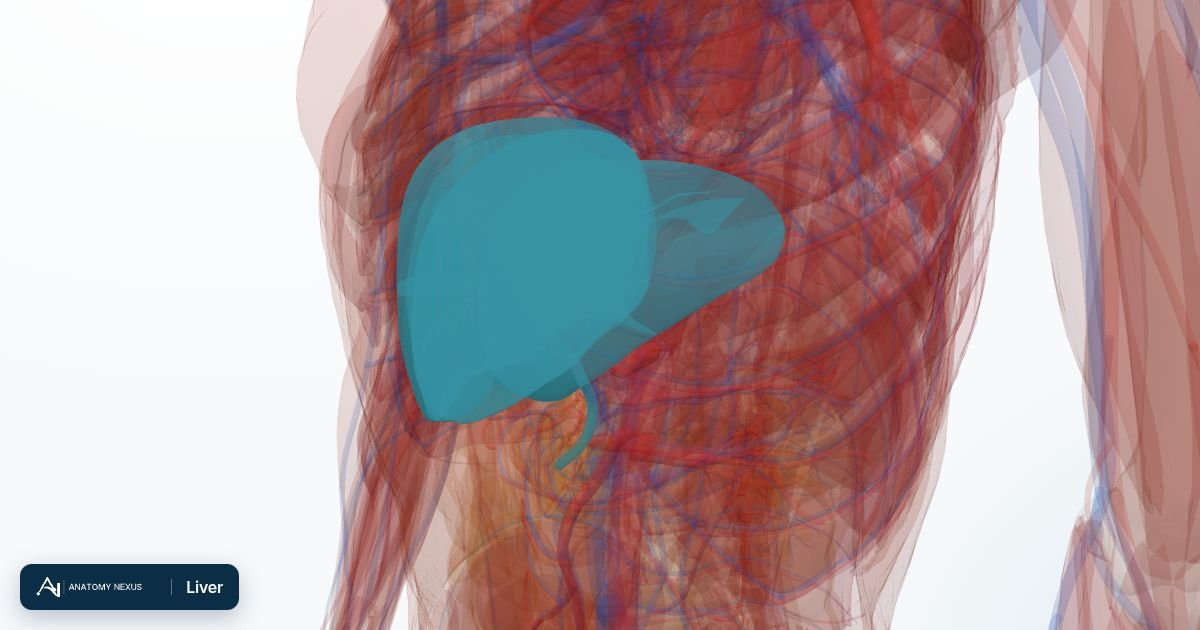
A blood test for C-reactive protein, a protein the liver releases within hours of significant inflammation, infection or tissue injury. It measures the size and course of an inflammatory response and how it changes with treatment, but not its cause.
- Canonical name
- C-reactive protein
- Abbreviations
- CRP, hs-CRP
- Kind
- Laboratory test
- Categories
- Immunology & inflammation
- Specimen
- Serum or plasma, Capillary (fingerprick) blood
- Method
- Immunoassay, Point-of-care device
- Terminology
- LOINC 1988-5, 30522-7
- Type
- Blood test
- Sample
- Blood from a vein
- Used for
- Infection, inflammation, monitoring treatment
- Measures
- C-reactive protein, an acute-phase protein made by the liver
- Result
- Numeric; a laboratory reference interval, usually with an upper limit only
Why is it used?
- Suspected infection or sepsis, and monitoring the response to antibiotics
- Distinguishing inflammatory joint disease from wear-and-tear pain
- Unexplained fever, weight loss or fatigue
- Monitoring rheumatoid arthritis, inflammatory bowel disease, polymyalgia and vasculitis
- After surgery, where a rising level can signal a complication
What does it measure?
| Component | What it measures | A higher value may be seen in | A lower value may be seen in |
|---|---|---|---|
| C-reactive protein (CRP) CRP C-reactive protein | Acute-phase protein concentration in blood | Bacterial infection, sepsis, surgery, trauma, inflammatory arthritis, inflammatory bowel disease, cancer, mild elevation with obesity and smoking | A low value is normal |
A high or low value can be associated with several different situations; the result is interpreted with other results, symptoms, history and clinical findings.
How is it performed?
A venous blood sample; point-of-care fingerprick CRP is used in some primary-care settings to guide antibiotic decisions.
Specimen. Venous blood (serum or plasma); fingerprick for point-of-care tests
Do I need to prepare?
None.
What do the results generally mean?
| Finding | What it may indicate |
|---|---|
| CRP above 100 mg/L | Significant bacterial infection or major inflammation until proven otherwise |
| Mildly raised CRP (roughly 5-20 mg/L) | Minor inflammation, viral illness, obesity, smoking or recent exertion; interpreted with the clinical picture |
| Normal CRP with a high ESR | Consider conditions that raise ESR without much CRP: myeloma, lupus, anaemia, pregnancy |
| Falling CRP on treatment | The inflammation is settling; a persistently rising value after surgery prompts a search for infection or a leak |
What can affect the result?
- Time since the illness began (the first hours can be normal)
- Corticosteroids and other immunosuppressants blunt the rise
- Obesity, smoking, pregnancy and oestrogens raise the baseline
- Strenuous exercise in the previous day
Medicines. Corticosteroids, biologic anti-inflammatory drugs (particularly IL-6 inhibitors) and other immunosuppressants can keep CRP low despite active infection.
What can the test not tell you?
- Where the inflammation is or what is causing it
- Whether an infection is bacterial or viral with certainty
- Whether a person with a normal CRP has no serious illness
Non-specific: it cannot say where the inflammation is or what is causing it. A normal CRP early in an illness does not exclude infection, and some infections (viral, some fungal) and lupus flares barely raise it. Steroids and immunosuppressants blunt the rise.
Other tests commonly used with it
Medicines monitored with this test
Each medicine page cites the official document that names this test in its monitoring plan.
Catalogued concepts this page covers
Concepts of the master test taxonomy that resolve to this page; each links to its category.