



Pneumonia
Also known as: chest infection, lung infection
Infection of the alveoli, which fill with fluid and inflammatory cells so that part of the lung cannot exchange gas.
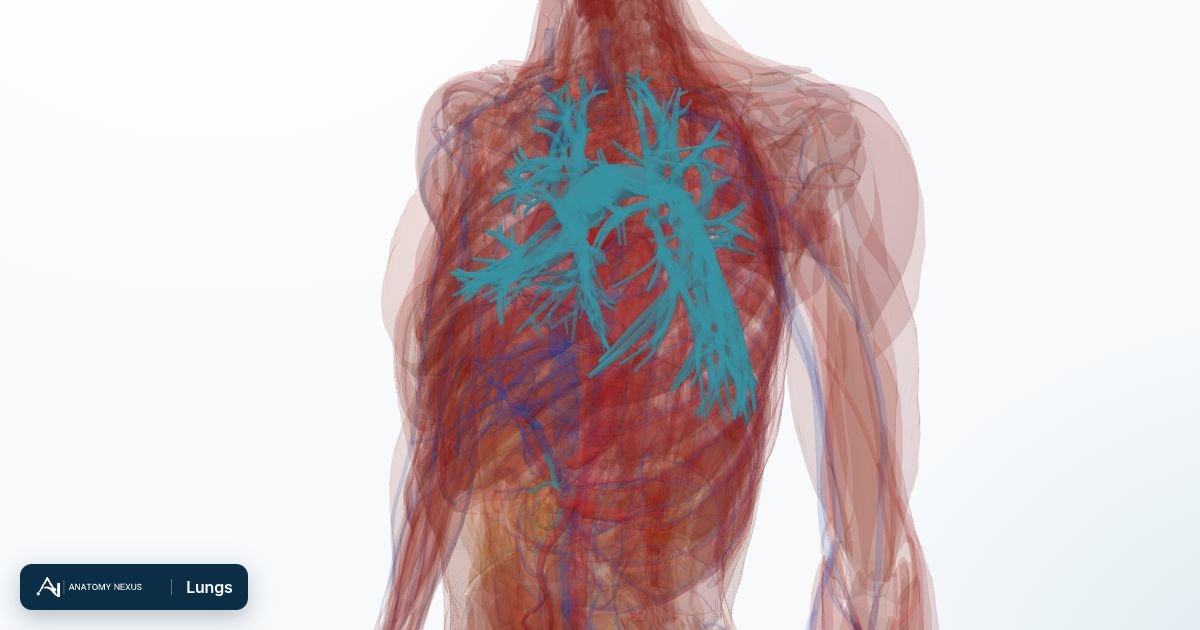
Overview
Bacteria (most often Streptococcus pneumoniae), viruses (influenza, COVID-19, RSV) and occasionally fungi cause pneumonia. It ranges from a mild illness treated at home to a life-threatening one in the elderly, the very young and those with chronic disease, and it remains the leading infectious cause of death in children worldwide.
Causes
- Bacteria: pneumococcus, Haemophilus, Mycoplasma, Legionella, Staphylococcus
- Viruses: influenza, SARS-CoV-2, RSV
- Aspiration of stomach contents
- Hospital-acquired organisms in ventilated or frail patients
Risk factors
- Age over 65 or under 2
- Smoking and COPD
- Weak immune system, diabetes, heart, kidney or liver disease
- Swallowing problems after stroke
- Recent flu
Symptoms
What a clinician may find
- Fast breathing, fever, crackles and dull percussion over the affected lobe
- Low oxygen saturation
- Confusion in the elderly
Complications
- Pleural effusion and empyema
- Sepsis
- Respiratory failure
- Lung abscess
Diagnosis
Clinical findings plus a chest X-ray showing consolidation. Blood tests (white cells, CRP, kidney function), oxygen saturation, sputum and blood cultures, and a severity score (CURB-65) guide where and how to treat.
Treatment
Antibiotics chosen by likely organism and severity (amoxicillin for mild community-acquired pneumonia; combinations in hospital), antivirals for influenza, oxygen, fluids, and support of breathing in severe cases. Rest and hydration at home for mild cases.
Prevention
Pneumococcal, influenza and COVID-19 vaccination, stopping smoking, good hand hygiene, and managing chronic diseases.
When to seek care
Urgent care for breathlessness at rest, confusion, blue lips, chest pain, coughing blood, or fever with fast breathing in a child or older adult.