



Salbutamol
Also known as: albuterol, reliever inhaler, blue inhaler
The blue reliever inhaler: a short-acting beta-2 agonist that opens the airways within minutes to relieve asthma and COPD symptoms during an attack or before exercise.
- Generic name
- Salbutamol
- Active ingredient
- Salbutamol (variants: salbutamol sulfate)
- Product type
- Small-molecule medicine
- Drug class
- Bronchodilators
- Brand names
- UK Ventolin, Salamol, Airomir · US ProAir, Ventolin HFA, Proventil
- Routes
- Inhaled, Nebulised, Oral, Intravenous
- Dosage forms
- Metered-dose inhaler, Dry-powder inhaler, Nebuliser solution, Tablet, Syrup, Injection
- Also known as
- albuterol, reliever inhaler, blue inhaler
- Forms
- Pressurised metered-dose inhaler 100 micrograms per puff (best with a spacer), dry powder inhaler, nebuliser solution, tablets and syrup (rarely), intravenous
- Onset and duration
- Within 5 minutes, peak 15-30 minutes, lasts 4-6 hours.
- Terminology
- RxNorm RxCUI 435 · ATC R03AC02 · FDA EPC beta2-Adrenergic Agonist [EPC]
- Monitoring
- Peak flow and symptom diary; frequency of use as a marker of control.
Availability by country
| Country | Status | Note | Source |
|---|---|---|---|
| UK | Prescription only | UK |
Legal status differs between countries and can change; each row cites the document it was taken from and applies only to the country named.
What it is used for
- Relief of wheeze and breathlessness in asthma and COPD ('reliever')
- Before exercise in exercise-induced asthma
- Nebulised or intravenous in severe asthma attacks and COPD flares
- Lowering high potassium in emergencies (nebulised)
How it works in the body
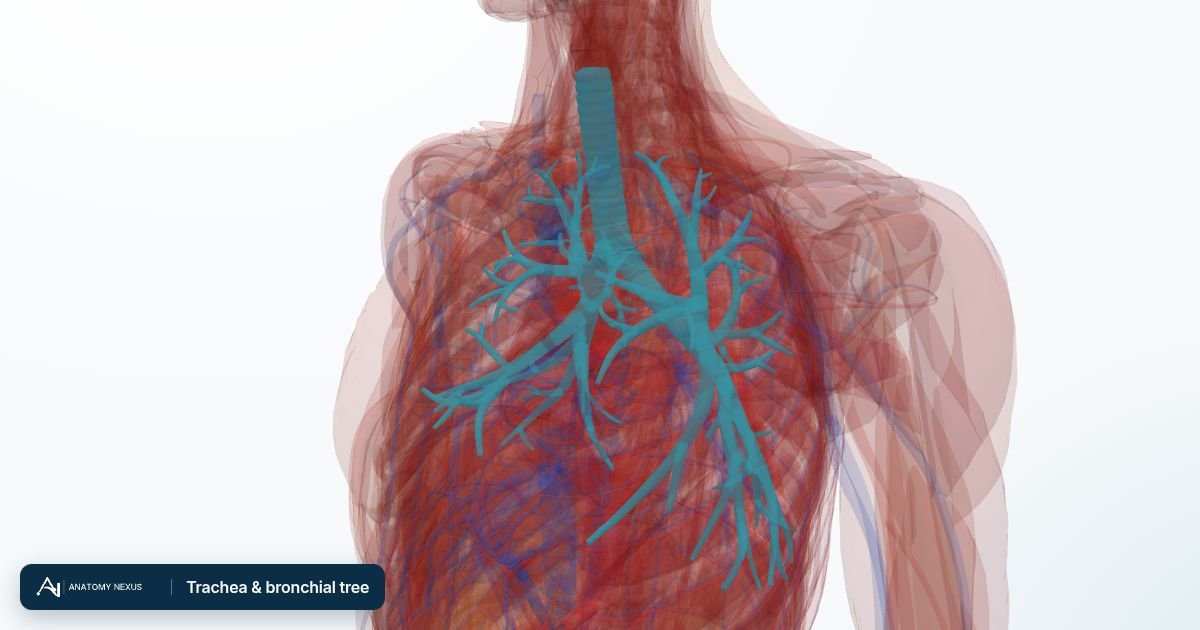
Stimulates beta-2 adrenergic receptors on the smooth muscle wrapped around the bronchi. This raises cyclic AMP inside the muscle cells, relaxing them within minutes so the airways widen and air moves more freely. It relieves the narrowing but does nothing for the underlying inflammation, which is why needing it more than twice a week signals poorly controlled asthma and the need for a preventer.
Common side effects
- Fine tremor, fast heartbeat, palpitations, headache
- Feeling shaky or restless; muscle cramps
Serious: seek help
- Low potassium with high doses (with steroids, diuretics, theophylline)
- Arrhythmias in people with heart disease at high doses
- Paradoxical bronchospasm (rare); over-reliance masking worsening asthma, linked to asthma deaths
Cautions and interactions
- Using more than three canisters a year, or needing it daily, means the asthma plan needs review
- Anti-inflammatory reliever (budesonide-formoterol) is now preferred as the sole reliever in many guidelines
- Inhaler technique matters: slow deep breath, hold for 10 seconds; spacers for children and during attacks
- Beta blockers antagonise the effect
Interactions
Check interactions
Taking Salbutamol with other medicines? Add them to the checker to see what the official sources say about each pair: the mechanism, general management and monitoring, never a bare "safe".
Interactions documented in the official sources cited on each card. The list covers the medicines represented on this site and is not exhaustive; how the interaction data is compiled.
No pair records for this medicine are in the sources currently represented by Anatomy Nexus. Absence from this list does not mean no interaction exists.
Same-class and related medicines
Same class: Bronchodilators
Medicines that share the class of Salbutamol. They are separate medicines with their own licences, doses and interactions, not alternative names for Salbutamol.
Related medicines
Medicines often discussed alongside Salbutamol: used together, compared with it, or acting on the same problem by a different route.