



Severe allergic reaction (anaphylaxis)
Also known as: anaphylaxis, anaphylactic shock, adrenaline auto-injector, EpiPen, allergy first aid
Anaphylaxis is a whole-body allergic reaction, usually within minutes of a food, sting or drug, in which mast cells flood the body with histamine and other mediators: airways swell and tighten, vessels leak and dilate, and blood pressure collapses. Adrenaline injected into the thigh muscle reverses all of these and is the only treatment that works; antihistamines and inhalers are not enough.
Emergency
Call emergency services (999 UK · 112 Europe · 911 North America) as soon as you recognise this, or have someone call while you act.
Recognise it
- Airway: swelling of the tongue, lips or throat, hoarse voice, difficulty swallowing
- Breathing: wheeze, tight chest, noisy or fast breathing, persistent cough
- Circulation: pale, clammy, faint, dizzy, collapse, confusion, fast weak pulse
- Often with itching, hives, flushing, swelling of the face, stomach cramps or vomiting; but skin signs are absent in a fifth of cases
- Triggers: nuts, milk, egg, shellfish, wasp and bee stings, penicillin and other drugs, latex
What to do
- Use the adrenaline auto-injector at onceAny airway, breathing or circulation problem after an exposure means anaphylaxis. Remove the safety cap, press the tip firmly into the outer mid-thigh (through clothing if needed) and hold for the device's count (3-10 seconds). Note the time.
- Call emergency servicesSay 'anaphylaxis'. Do this even if they improve: reactions can return hours later.
- PositionLie them flat with legs raised if faint or dizzy; sit up if breathing is the main problem; on their side if vomiting or unconscious. Do not let them stand or walk, even to reach help: sudden standing can cause cardiac arrest.
- Second doseIf no improvement after 5 minutes, give a second auto-injector if available.
- Remove the trigger if possibleFlick out a bee sting with a card edge; stop any drug infusion.
- If they stop breathing normallyStart CPR.
Do not
- Do not wait for skin symptoms or for it to get worse before using adrenaline
- Do not rely on antihistamine tablets or an asthma inhaler for anaphylaxis
- Do not let the person stand up or walk
- Do not inject adrenaline into a finger or vein
Get medical help when
- Every case of suspected anaphylaxis, whether or not adrenaline has been given, for observation of 6-12 hours
- Any allergic reaction with breathing difficulty, swelling of the mouth or throat, or faintness
Why it works: the anatomy
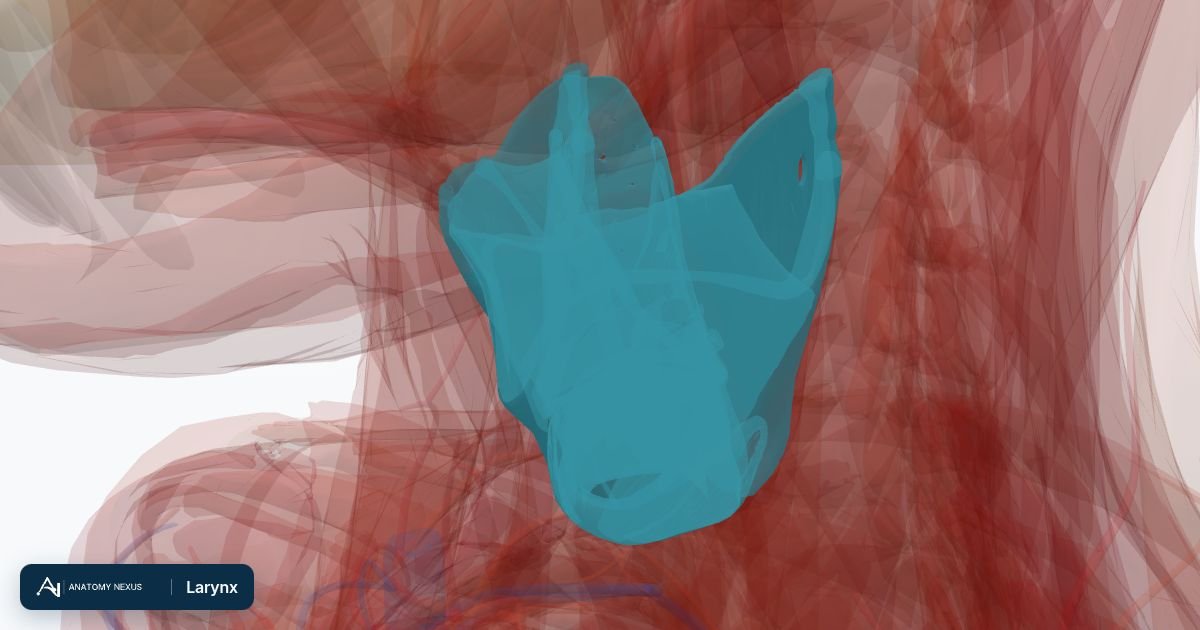
IgE antibodies on mast cells recognise the allergen and trigger degranulation within minutes. Histamine and leukotrienes constrict bronchial smooth muscle (wheeze), swell the tongue and larynx (the narrowest part of the airway), and open capillaries so plasma pours into tissues while arteries dilate, dropping blood pressure. Adrenaline acts on alpha receptors to constrict vessels and reduce swelling, and on beta receptors to open airways, strengthen the heart and stop further mast-cell release. The thigh's vastus lateralis has a rich blood supply for fast absorption.