



Fainting
Also known as: syncope, vasovagal, blackout, collapse, recovery position
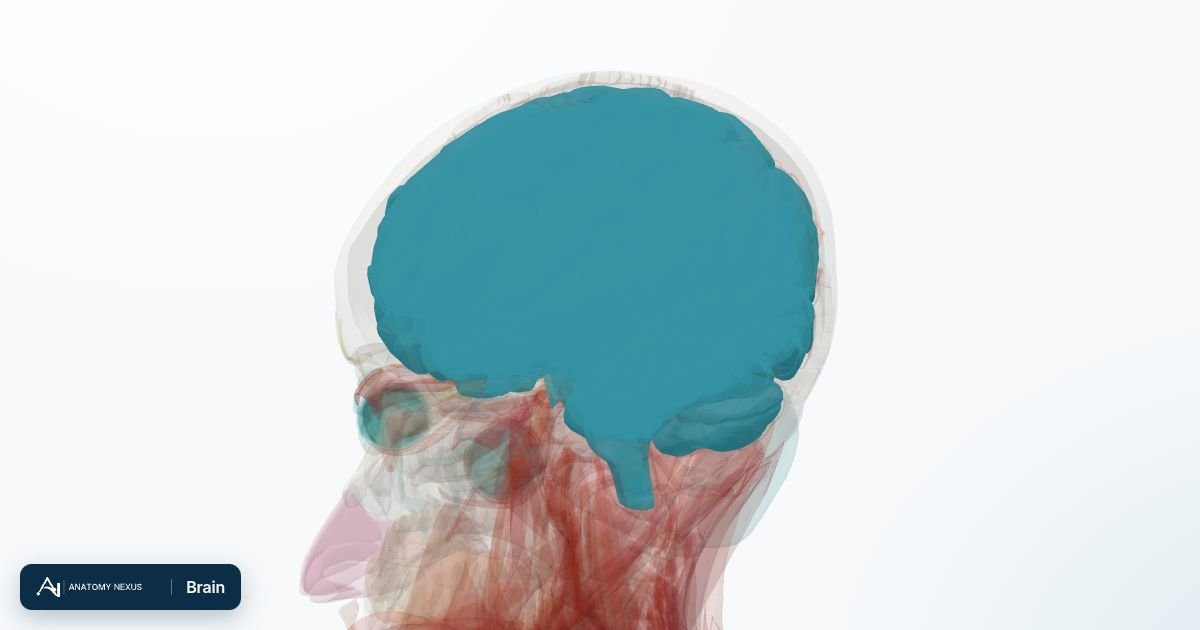
A faint is a brief loss of consciousness because blood pressure drops and the brain is starved of blood for a few seconds. Lying flat restores flow and recovery is quick; the first-aid task is to protect the person from injury, check they are breathing, and recognise the collapses that are not simple faints.
Recognise it
- Warning: light-headed, pale, sweaty, nauseous, vision greying or tunnelling, ringing ears
- Triggers: standing for long periods, heat, pain, the sight of blood, fear, standing up quickly, dehydration, missed meals
- Brief loss of consciousness (seconds to a minute) with full recovery within minutes; a few jerks can occur
- Not a simple faint if: it happened during exercise, with chest pain or palpitations, lying down, with a seizure lasting minutes, injury, slow recovery, or in someone with heart disease
What to do
- If they feel faintHelp them lie down and raise their legs on a chair or your shoulders. If they cannot lie down, sit with head between knees. Loosen tight clothing, fresh air.
- If they have faintedCheck they are breathing normally. Raise their legs above heart level. They should come round within a minute or two.
- Recovery position if unconscious but breathingKneel beside them; place the near arm at a right angle, bring the far hand against the near cheek, bend the far knee and roll them towards you onto their side, head tilted back so the airway stays open and any vomit drains. Keep checking breathing.
- AfterwardsKeep them lying for 10-15 minutes, then sit up slowly. Offer water once fully alert. Look for injuries from the fall.
- If they are not breathing normallyCall emergency services and start CPR.
Do not
- Do not sit or stand them up straight away
- Do not give food or drink until fully awake
- Do not leave an unconscious person on their back
- Do not splash water or slap them
Get medical help when
- Not breathing normally, or unresponsive for more than a minute or two
- Injury from the fall, especially to the head
- Fainting during exercise, with chest pain or palpitations, in pregnancy, or in someone with diabetes or heart disease
- Repeated faints, or a first faint in an older adult
Why it works: the anatomy
Standing pools half a litre of blood in the leg veins; normally baroreceptors in the carotid sinus and aortic arch detect the pressure drop and the brainstem speeds the heart and constricts vessels within a beat. In a vasovagal faint the reflex misfires: the vagus nerve slows the heart and vessels dilate, cerebral perfusion falls below the threshold needed to stay conscious, and the person falls. Lying flat removes the gravity gradient and the brain refills within seconds.