



Type 1 diabetes
Also known as: insulin-dependent diabetes, juvenile diabetes, T1D
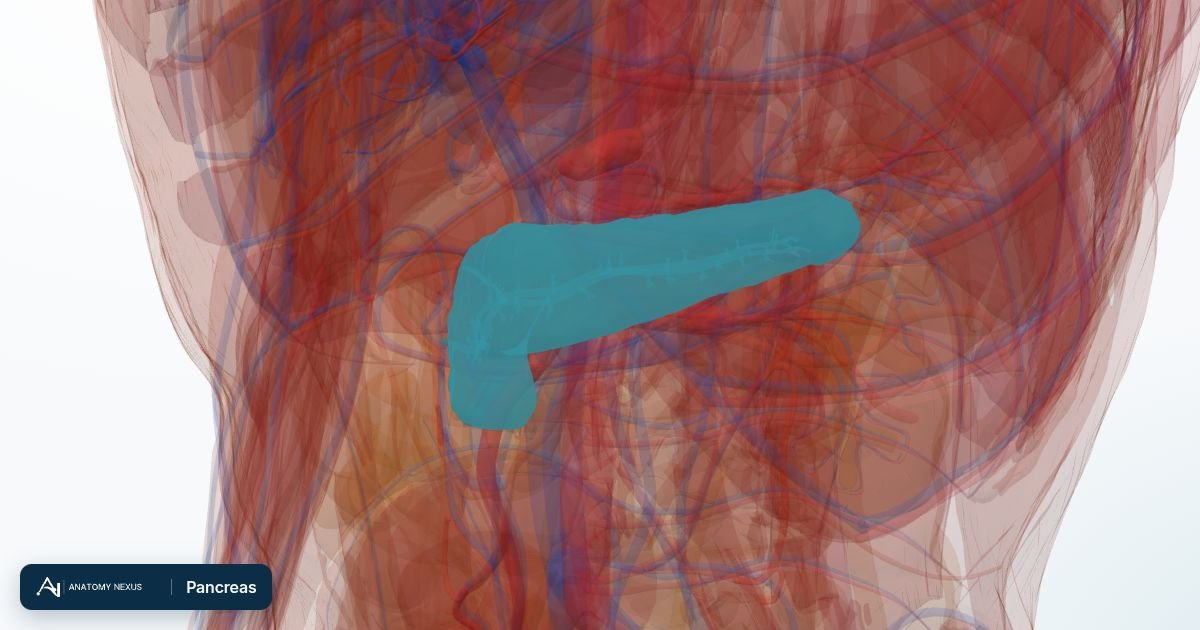
An autoimmune disease in which the insulin-producing beta cells of the pancreas are destroyed, so the body cannot regulate blood glucose without injected insulin.
Overview
Type 1 diabetes usually appears in childhood or young adulthood over days to weeks: thirst, frequent urination, weight loss and tiredness as glucose spills into the urine. Without insulin the body burns fat uncontrollably and produces acid (ketoacidosis), which is fatal untreated. Lifelong insulin replacement, increasingly with pumps and continuous glucose monitors, allows a full life.
Causes
- Autoimmune destruction of beta cells in genetically susceptible people, possibly triggered by viral infection
Risk factors
- Family history and HLA genes
- Other autoimmune diseases (thyroid, coeliac)
- Northern European ancestry
Symptoms
What a clinician may find
- Weight loss, dehydration
- Ketone smell, deep sighing breathing and drowsiness in ketoacidosis
Complications
- Diabetic ketoacidosis
- Hypoglycaemia from insulin
- Retinopathy, nephropathy, neuropathy
- Cardiovascular disease
- Foot ulcers
Diagnosis
Raised blood glucose with symptoms; ketones in blood or urine; antibodies (GAD, IA-2) and low C-peptide confirm type 1. HbA1c tracks control over months.
Treatment
Insulin from diagnosis, as multiple daily injections (long-acting plus rapid-acting with meals) or a pump, matched to carbohydrate intake; glucose monitoring; structured education; annual screening of eyes, kidneys and feet; blood pressure and cholesterol control.
Prevention
None yet, although immunotherapy can delay onset in high-risk relatives; good control prevents complications.
When to seek care
Emergency care for vomiting, abdominal pain, deep breathing, drowsiness or confusion in someone with diabetes, or for severe hypoglycaemia (confusion, seizure, unconsciousness).