



Insulins
Also known as: insulin therapy, insulin analogues
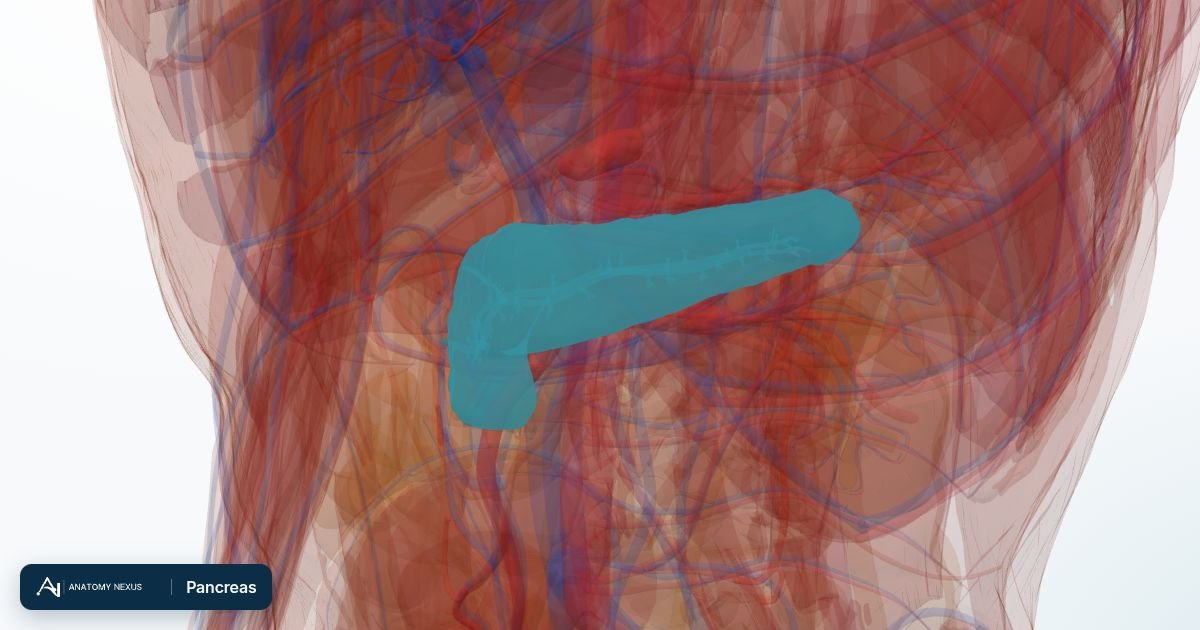
Injected replacements for the hormone the pancreas no longer makes or cannot make enough of: essential in type 1 diabetes and used in type 2 diabetes when tablets are not enough.
- Biological target
- Insulin receptor
- Also called
- insulin therapy, insulin analogues
Mechanism of action
Insulin binds receptors on muscle, fat and liver cells, moving glucose transporters to the cell surface so glucose leaves the blood, switching the liver from making glucose to storing glycogen, and stopping fat breakdown and ketone production. Modern analogues are engineered to act fast at meals (aspart, lispro, glulisine) or flat over 24 hours or more as background (glargine, detemir, degludec); mixed and pump regimens mimic the natural pattern of a basal trickle with mealtime bursts.
Members of the class
Members with a page on this site are linked.
Conditions treated
Class effects
- Hypoglycaemia
- Weight gain
- Lumps at injection sites (lipohypertrophy)
Cautions
- Doses are individual and adjusted for food, activity and illness; 'units' written in full to avoid tenfold errors
- Never stop basal insulin in type 1 diabetes, even when not eating
- Driving rules: check glucose before and every two hours
Class warnings
- Hypoglycaemia is the main hazard, more likely with missed meals, exercise, alcohol, kidney impairment and beta blockers (which mask the warning signs); people on insulin are taught to recognise and treat it and must inform the driving licence authority. UK
Class interactions
| With | Effect | Source |
|---|---|---|
| Beta blockers | Mask the warning symptoms of hypoglycaemia and can prolong it. | UK |
| Corticosteroids, thiazides, some antipsychotics | Raise blood glucose; insulin doses may need to increase. | UK |
| ACE inhibitors, alcohol, other glucose-lowering drugs | Increase the risk of hypoglycaemia. | UK |
Open the Drug Interaction Checker