



Insulin
Also known as: insulin injection
The hormone that moves glucose from the blood into cells, given by injection or pump to everyone with type 1 diabetes and to many with type 2 when other treatments are not enough.
- Generic name
- Insulin
- Active ingredient
- Insulin
- Product type
- Recombinant protein or hormone
- Drug class
- Insulins
- Brand names
- UK NovoRapid, Lantus, Humulin · US Humalog, Lantus, Novolog
- Routes
- Subcutaneous, Intravenous
- Dosage forms
- Pen injector, Prefilled syringe, Injection, Infusion
- Also known as
- insulin injection
- Forms
- Prefilled pens injected under the skin of the abdomen, thighs or buttocks, rotating sites; insulin pumps delivering rapid-acting insulin continuously; intravenous infusion in hospital; hybrid closed-loop systems with continuous glucose monitors
- Onset and duration
- Rapid-acting 10-20 minutes (peak 1-3 hours, lasts 3-5 hours); long-acting flat over 24 hours or more.
- Terminology
- ATC A10A
- Monitoring
- Fingerprick or continuous glucose monitoring several times daily; HbA1c every 3-6 months; annual eye, foot and kidney checks.
Availability by country
| Country | Status | Note | Source |
|---|---|---|---|
| UK | Prescription only | UK |
Legal status differs between countries and can change; each row cites the document it was taken from and applies only to the country named.
What it is used for
- Type 1 diabetes: essential for life from diagnosis
- Type 2 diabetes when tablets no longer control glucose, in pregnancy, and during severe illness or surgery
- Diabetic ketoacidosis and hyperosmolar states (intravenous infusion)
- Lowering dangerously high potassium (with glucose) in emergencies
How it works in the body
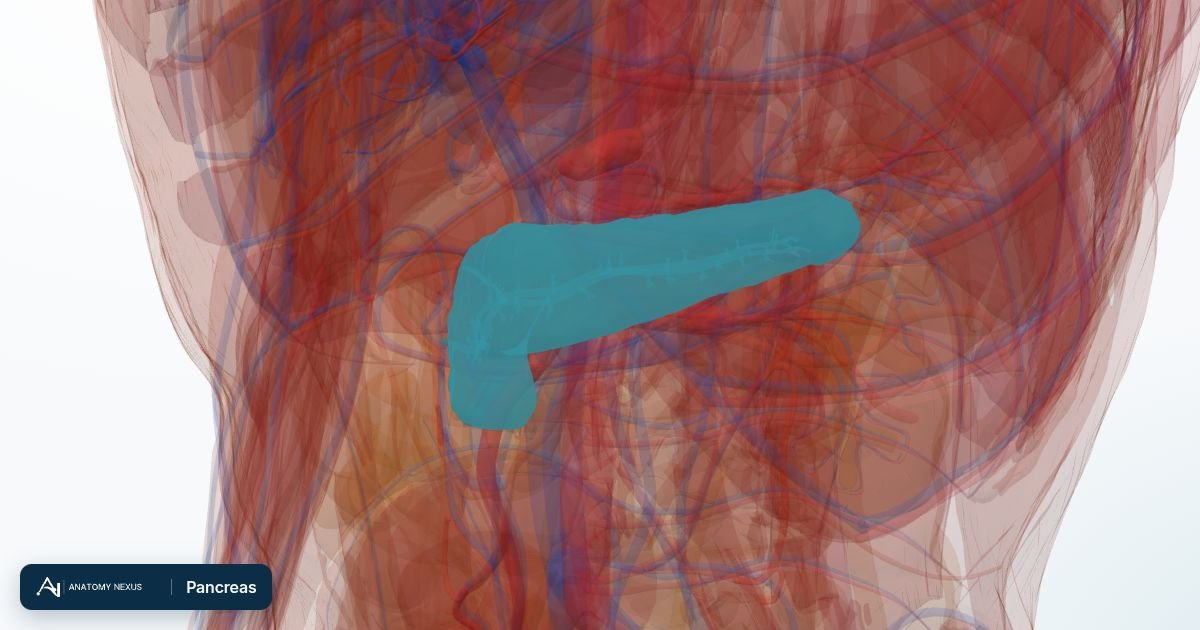
Replaces the hormone the pancreatic beta cells no longer make. Insulin binds receptors on muscle, fat and liver cells, moving GLUT4 transporters to the surface so glucose enters cells; it switches the liver from making glucose to storing glycogen, stops fat breakdown and ketone production, and promotes protein synthesis. Modern analogue insulins are engineered to act fast at meals (aspart, lispro) or flat and long as background (glargine, degludec), mimicking the natural pattern of a basal trickle plus mealtime bursts.
Common side effects
- Hypoglycaemia (shaking, sweating, hunger, confusion): treat with 15-20 g fast sugar, recheck, then a snack
- Weight gain
- Lipohypertrophy (fatty lumps) at over-used injection sites, which absorb insulin erratically
- Bruising, stinging
Serious: seek help
- Severe hypoglycaemia with seizure or coma, needing glucagon injection or intravenous glucose
- Diabetic ketoacidosis if insulin is omitted in type 1 diabetes (never stop, even when not eating: adjust instead)
- Hypokalaemia with intravenous infusion
- Allergy (very rare with modern insulins)
Cautions and interactions
- Doses are individual and adjusted for food, activity, illness and glucose readings; errors in units are a major cause of harm ('units' written in full)
- Sick-day rules: keep taking basal insulin, check glucose and ketones more often, drink fluids
- Driving rules: check glucose before and every 2 hours; carry fast sugar
- Store unopened insulin in the fridge; in use at room temperature for 4 weeks
Interactions
Check interactions
Taking Insulin with other medicines? Add them to the checker to see what the official sources say about each pair: the mechanism, general management and monitoring, never a bare "safe".
Interactions documented in the official sources cited on each card. The list covers the medicines represented on this site and is not exhaustive; how the interaction data is compiled.
No pair records for this medicine are in the sources currently represented by Anatomy Nexus. Absence from this list does not mean no interaction exists.
Medicines in this group
Insulin is a group of related active ingredients; each is a distinct medicine.
Same-class and related medicines
Same class: Insulins
Medicines that share the class of Insulin. They are separate medicines with their own licences, doses and interactions, not alternative names for Insulin.
Related medicines
Medicines often discussed alongside Insulin: used together, compared with it, or acting on the same problem by a different route.