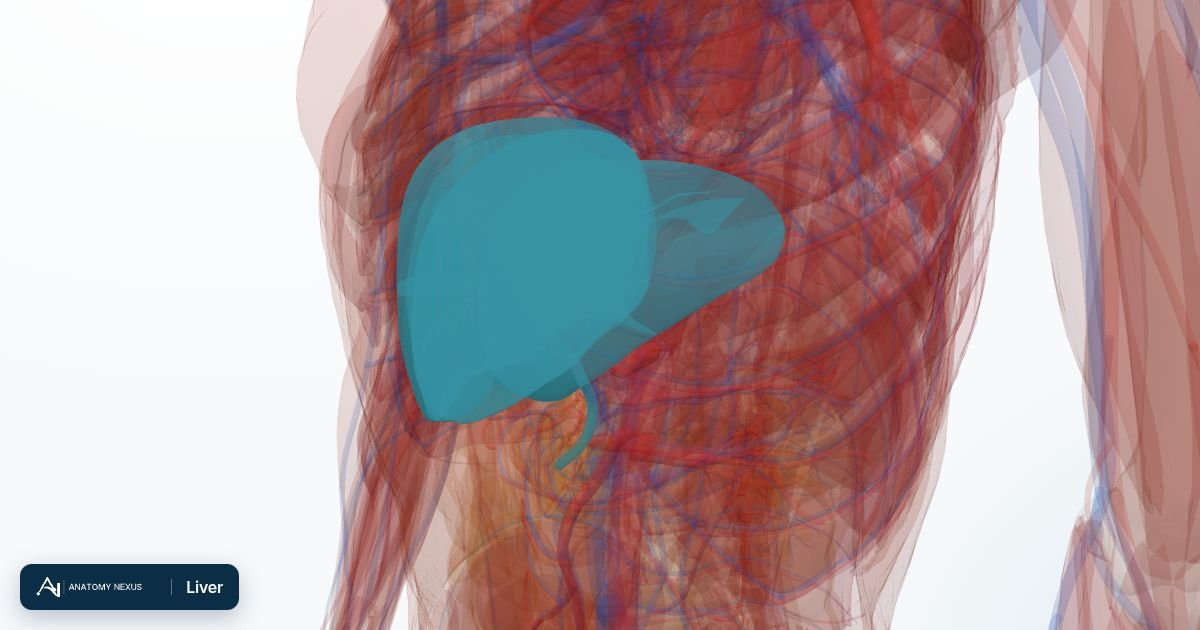
The first-line tablet for type 2 diabetes: it reduces the glucose the liver releases and improves the body's response to insulin, without causing low blood sugar on its own.
Metformin lowers blood glucose mainly by telling the liver to release less sugar between meals, and by helping muscle respond to insulin. It does not make the pancreas release more insulin, so on its own it does not cause low blood sugar.
Route
Oral (immediate-release and modified-release tablets, oral solution, powder sachets)
NICE: first-line drug treatment for adults with type 2 diabetes, continued alongside an SGLT2 inhibitor where there is cardiovascular disease or high risk
Polycystic ovary syndrome (unlicensed use in the UK)
NICE recommends metformin in gestational diabetes and in type 2 diabetes during pregnancy; use in pregnancy is outside the UK licence
Licensed indications come from the product licence in the named country; guideline-supported and off-label uses are cited to the guideline that supports them. Licensing differs between countries.
How it works
Metformin lowers blood glucose mainly by telling the liver to release less sugar between meals, and by helping muscle respond to insulin. It does not make the pancreas release more insulin, so on its own it does not cause low blood sugar.
Reduces the amount of glucose the liver releases into blood (by inhibiting gluconeogenesis via AMP-activated protein kinase and the mitochondrial redox state), increases the sensitivity of muscle and fat to insulin, and modestly reduces glucose absorption from the gut. It does not stimulate insulin release, so it does not cause hypoglycaemia on its own or weight gain; HbA1c falls by about 11 mmol/mol (1%).
Mechanism of action
Metformin accumulates in hepatocytes via the OCT1 transporter and reduces hepatic gluconeogenesis: it lowers the mitochondrial energy state (partial inhibition of complex I and of mitochondrial glycerophosphate dehydrogenase, shifting the cytosolic redox state) and activates AMP-activated protein kinase, which suppresses gluconeogenic gene expression and lipogenesis. Peripheral insulin sensitivity improves modestly, intestinal glucose uptake and GLP-1 secretion increase, and the gut microbiome changes. Because insulin secretion is not stimulated, hypoglycaemia does not occur with monotherapy and weight is neutral or slightly reduced. Metformin is not metabolised and is cleared by the kidney (tubular secretion); accumulation in renal failure, hypoxia or severe illness impairs lactate clearance and can precipitate lactic acidosis. It reduces ileal vitamin B12 absorption.
Nausea, diarrhoea, bloating, metallic taste (a third at the start, most settle; take with food, build up slowly, or use modified release)
Vitamin B12 deficiency with long-term use
Serious: seek help
Lactic acidosis: very rare, but dangerous when the drug accumulates in kidney failure, or in severe illness, dehydration, sepsis, heart failure or heavy alcohol use
Hypoglycaemia only when combined with insulin or sulfonylureas
Source: NHS: Metformin. Frequencies follow the source's categories; no percentages are invented.
Serious safety information
Boxed warning (US). US labelling carries a boxed warning for lactic acidosis, a rare but potentially fatal complication that is more likely with kidney impairment, liver disease, heart failure, sepsis, dehydration, excess alcohol, older age and iodinated contrast; the drug is stopped immediately if it is suspected. US
Special warning. Lactic acidosis: UK information advises stopping metformin and seeking urgent help for fast or deep breathing, muscle cramps, stomach pain, unusual sleepiness or feeling very cold, particularly during acute illness with dehydration. UK
Warnings and precautions
Kidney. Contraindicated when eGFR is below 30 mL/min/1.73 m²; the dose is reviewed at eGFR 30-45 and kidney function is checked before starting and at least annually (more often when function is declining). UK
Precaution. Iodinated contrast media: metformin is withheld on the day of a contrast procedure and for 48 hours afterwards in people with reduced kidney function, and restarted once kidney function is confirmed stable. UK
Precaution. Sick-day guidance: during vomiting, diarrhoea, fever or any illness that stops eating and drinking, UK information advises pausing metformin and restarting 24-48 hours after recovery. UK
Monitoring. Vitamin B12 deficiency: long-term metformin lowers B12 levels; UK regulators recommend checking B12 when anaemia, neuropathy or other symptoms of deficiency appear, and periodically in people at risk. UK
Contraindications
Factor
Detail
Strength
Country · source
eGFR below 30 mL/min/1.73 m²
Contraindicated in severe renal impairment because the drug accumulates and lactic acidosis risk rises.
Withheld in acute conditions that can alter kidney function or cause hypoxia: severe infection, shock, acute heart failure, respiratory failure, recent myocardial infarction.
"Absolute" and "relative" follow the wording of the cited source; where the source does not classify, the cell is blank.
Interactions
Check interactions
Taking Metformin with other medicines? Add them to the checker to see what the official sources say about each pair: the mechanism, general management and monitoring, never a bare "safe".
Interactions documented in the official sources cited on each card. The list covers the medicines represented on this site and is not exhaustive; how the interaction data is compiled.
Other medicines
Metformin + Iodinated X-ray contrast media (CT and angiography dye)
ModerateMonitoring or dose adjustment advised
Iodinated X-ray contrast can temporarily reduce kidney function, letting metformin accumulate and raising the risk of lactic acidosis.
UK information states metformin may need to be stopped before a scan with iodine contrast and restarted 48 hours later once kidney function is checked.
What to discuss with a clinician
Official information: withheld on the day of the procedure and for 48 hours after in people with reduced kidney function; restarted when kidney function is stable.
ACE inhibitors can enhance the glucose-lowering effect of diabetes medicines such as metformin, insulin and sulfonylureas, occasionally causing low blood sugar in the first weeks.
Why it can occur
additive hypoglycaemia risk
What official information says
UK information lists diabetes medicines among those to tell a doctor about because lisinopril can lower blood sugar.
What to discuss with a clinician
Documented; blood glucose may be checked more often when lisinopril is started or increased.
Loop diuretics such as furosemide can cause dehydration and reduce kidney function, increasing metformin accumulation and lactic acidosis risk, and can raise blood glucose.
Why it can occur
renal clearance
What official information says
UK information lists diuretics ('water tablets') among medicines to tell a doctor about when taking metformin.
What to discuss with a clinician
Documented; kidney function is monitored and metformin paused if dehydration develops.
Taking metformin with or just after food reduces nausea, diarrhoea and stomach upset; modified-release tablets are taken with the evening meal. (other)
UK information advises taking metformin with a meal and building the dose up slowly; a modified-release form is an option for persistent gut side effects. UK
Alcohol
Heavy or binge drinking while taking metformin increases the risk of lactic acidosis and of low blood sugar, particularly when meals are missed. (Alcohol impairs hepatic lactate clearance and gluconeogenesis)
UK information advises keeping within recommended limits and avoiding binge drinking; occasional moderate alcohol with food is acceptable for most people. UK
Monitoring
What
Why
Tests and markers
Source
HbA1c
Every 3-6 months until stable on a dose, then 6-monthly; targets individualised (48 mmol/mol on metformin alone)
UK information states metformin can be used in pregnancy, alone or with insulin, when a doctor advises it, and NICE recommends it in gestational diabetes and pre-existing type 2 diabetes; it crosses the placenta but has not been linked with birth defects. Use in pregnancy is outside the UK product licence. UK
Breastfeeding
Small amounts pass into milk; UK information states metformin can be taken while breastfeeding and NICE supports its use after birth. UK
Children
Licensed for type 2 diabetes in children from 10 years, started by a specialist with the same kidney precautions as adults. UK
Older adults
Kidney function declines with age, so eGFR is checked more often and doses are reduced accordingly; frailty and intercurrent illness raise lactic acidosis risk, and HbA1c targets are relaxed. UK
Kidney impairment
The central safety issue: full dose when eGFR is above 45, dose review and a maximum of 1 g daily between 30 and 45, and stop below 30. Kidney function is rechecked during any acute illness. UK
Liver impairment
Avoided in significant hepatic impairment because reduced lactate clearance increases the risk of lactic acidosis; alcohol-related liver disease is a particular concern. UK
Heart failure: acute or unstable heart failure with tissue hypoxia is a contraindication; stable chronic heart failure with adequate kidney function is not, and metformin is commonly used.
Type 1 diabetes: metformin is not a substitute for insulin; it is sometimes added by specialists to reduce insulin requirements in adults with a high BMI.
Educational summary of drug–condition cautions in the cited sources; not a personal screening.
Effects on tests and results
HbA1c (glycated haemoglobin): HbA1c falls by about 11 mmol/mol (1%) at full dose; the intended effect, measured every 3-6 months. UK
Mean corpuscular volume (MCV): Vitamin B12 levels fall with long-term use, which can cause macrocytic anaemia and neuropathy; B12 is checked when symptoms or a raised MCV appear. UK
Blood lactate rises in lactic acidosis; metformin is stopped while any acute illness that lowers kidney function or oxygen delivery is treated. UK
Dosing is intentionally not described: doses depend on the indication, the country's licence, kidney and liver function, age, weight and other medicines, and are set by a prescriber.
Medicines often discussed alongside Metformin: used together, compared with it, or acting on the same problem by a different route.
Educational content. Anatomy Nexus provides medical education and does not replace professional medical advice, diagnosis, treatment, prescribing or pharmacist review. Doses, choices and monitoring are decided by a prescriber for an individual; never start, stop or change a medicine on the basis of this page.