



Drug class · Endocrine
Biguanides
Metformin is the only biguanide in routine use and the first-line tablet for type 2 diabetes: it lowers glucose without causing hypoglycaemia or weight gain.
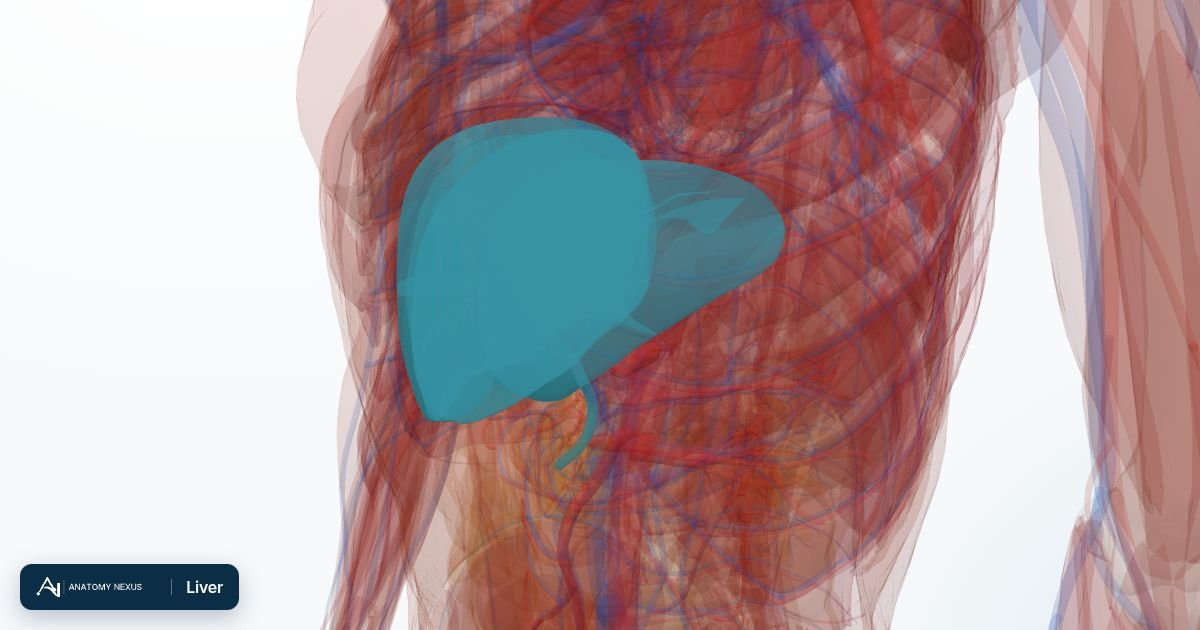
- Biological target
- Hepatic glucose production (gluconeogenesis), Insulin receptor
Mechanism of action
Metformin reduces the glucose the liver pours into the blood by dampening gluconeogenesis, makes muscle and fat more sensitive to insulin so they take up more glucose, and slightly reduces glucose absorption from the gut. It does not stimulate insulin release, which is why it does not cause low blood sugar on its own. HbA1c falls by about 11 mmol/mol (1%).
Members of the class
Members with a page on this site are linked.
Conditions treated
Class effects
- Nausea, diarrhoea, bloating at the start
- Vitamin B12 deficiency with long use
Cautions
- Dose reduced below eGFR 45 and stopped below 30
- Paused during dehydrating illness and around contrast scans (lactic acidosis risk)
- Alcohol in moderation
Class warnings
- Lactic acidosis is the rare serious hazard: metformin is contraindicated below eGFR 30, paused during dehydrating illness and around iodinated contrast, and avoided in conditions causing hypoxia. UK
- Long-term use lowers vitamin B12; levels are checked when symptoms of deficiency appear and periodically in those at risk. UK
Class interactions
| With | Effect | Source |
|---|---|---|
| Iodinated contrast media | Risk of contrast-induced kidney injury and metformin accumulation; withheld around the procedure. | UK |
| Drugs that raise blood glucose (corticosteroids, some antipsychotics, thiazides) | Reduced glucose control. | UK |
| Drugs that impair kidney function or compete for renal secretion (NSAIDs, ACE inhibitors, diuretics, cimetidine, some antivirals) | Increased metformin levels and lactic acidosis risk. | UK |
Open the Drug Interaction Checker
Educational content. A drug class page describes what a family of medicines has in common. Individual medicines differ in dose, licensing and interactions; treatment choices belong to a prescriber.