



Hepatic glucose production (gluconeogenesis)
Also known as: gluconeogenesis, hepatic gluconeogenesis, liver glucose output
The liver's manufacture and release of glucose between meals, from lactate, amino acids and glycerol. In type 2 diabetes this output runs too high; metformin's main action is to reduce it, which lowers fasting blood glucose without causing hypoglycaemia.
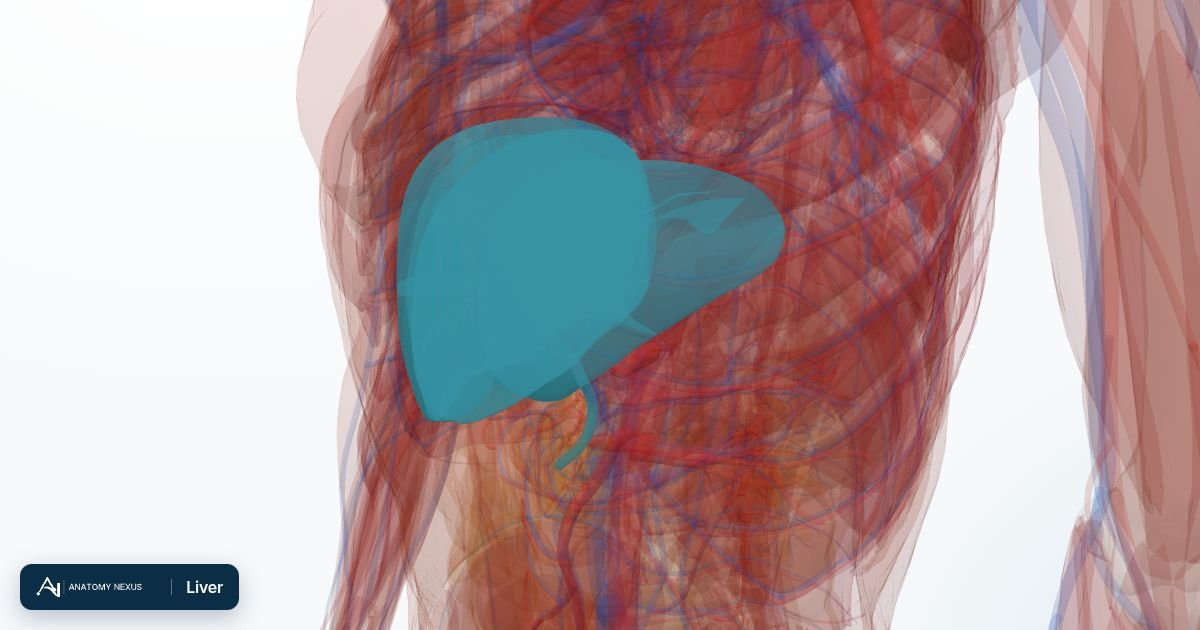
- Kind
- pathway
- Also called
- gluconeogenesis, hepatic gluconeogenesis, liver glucose output
- Where it is found
- Hepatocytes, particularly those around the portal tracts; the kidney cortex contributes a smaller share.
What it does
Between meals and overnight the liver keeps blood glucose steady, first by releasing stored glycogen and then by making new glucose (gluconeogenesis) from lactate, alanine and glycerol. Insulin normally restrains this; in type 2 diabetes the liver is insulin-resistant and keeps producing glucose even when levels are already high, which is the main reason fasting glucose rises. Metformin accumulates in hepatocytes and lowers their energy state (through effects on mitochondrial respiration and the energy sensor AMP-activated protein kinase, and on the redox balance that gluconeogenesis depends on), which switches gluconeogenesis down and modestly increases insulin sensitivity in muscle. Because it does not push the pancreas to release insulin, metformin does not cause low blood sugar on its own. The same reliance on mitochondrial function underlies its rare serious harm: when the drug accumulates in kidney failure or severe illness, lactate that the liver would normally convert to glucose builds up (lactic acidosis).
Role in the body
Maintains blood glucose during fasting; excessive output drives fasting hyperglycaemia in type 2 diabetes.