Also known as: angiotensin-converting enzyme inhibitors, the -prils
Medicines ending in -pril that block the enzyme which makes angiotensin II, lowering blood pressure, unloading a failing heart and protecting the kidneys in diabetes.
angiotensin-converting enzyme inhibitors, the -prils
Mechanism of action
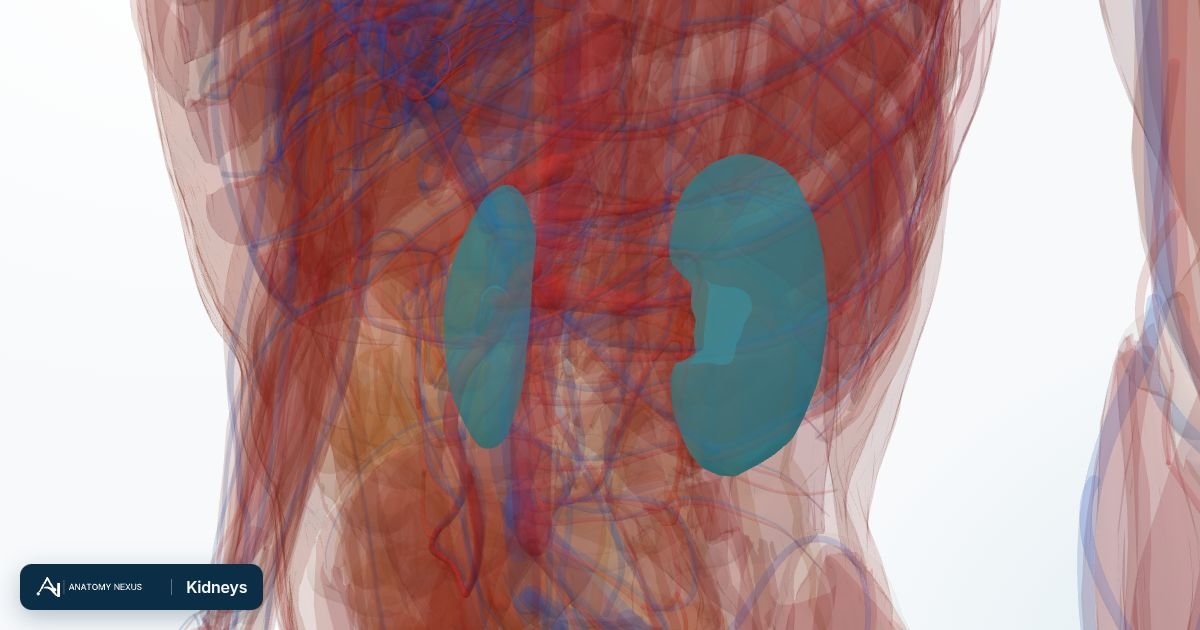
The kidneys release renin when pressure or salt falls; renin makes angiotensin I, and angiotensin-converting enzyme in the lungs and vessels turns it into angiotensin II, which constricts arteries, releases aldosterone (salt and water retention) and thickens heart muscle. Blocking the enzyme removes all of these effects, and the pressure inside the kidney's filters falls, which slows the leak of protein in diabetic kidney disease. ACE also breaks down bradykinin, so it accumulates and causes the characteristic dry cough.
Angio-oedema (swelling of lips, tongue, throat) means stop for good and avoid the whole class
Pause during vomiting, diarrhoea or dehydration to protect the kidneys
Avoid with potassium supplements and most NSAIDs
Class warnings
Kidney function and potassium must be checked before starting, 1-2 weeks after starting and after each dose change; angioedema is a rare class effect that can occur at any time. UK
Contraindicated in pregnancy (fetal toxicity) and after angioedema with an ACE inhibitor; not combined with an ARB or, in diabetes, with aliskiren. UK
Class interactions
With
Effect
Source
NSAIDs
Reduced blood-pressure effect and increased risk of acute kidney injury and hyperkalaemia, especially with a diuretic as well (the 'triple whammy').
Contraindicated or avoidOfficial guidance: avoid the combination
Losartan with any ACE inhibitor (ramipril, lisinopril, enalapril, perindopril) duplicates renin-angiotensin blockade: more hypotension, kidney injury and hyperkalaemia without extra benefit.
Why it can occur
pharmacodynamic antagonism
What official information says
NICE: do not combine an ACE inhibitor with an ARB to treat hypertension.
Therapeutic duplication. Two ACE inhibitors together, or an ACE inhibitor with an ARB, duplicate renin-angiotensin blockade and increase the risk of kidney injury, hyperkalaemia and hypotension without extra benefit. UK
Educational content. A drug class page describes what a family of medicines has in common. Individual medicines differ in dose, licensing and interactions; treatment choices belong to a prescriber.