



Heart failure
Also known as: congestive heart failure, cardiac failure
A syndrome in which the heart cannot pump enough blood to meet the body's needs, or can do so only at raised filling pressures.
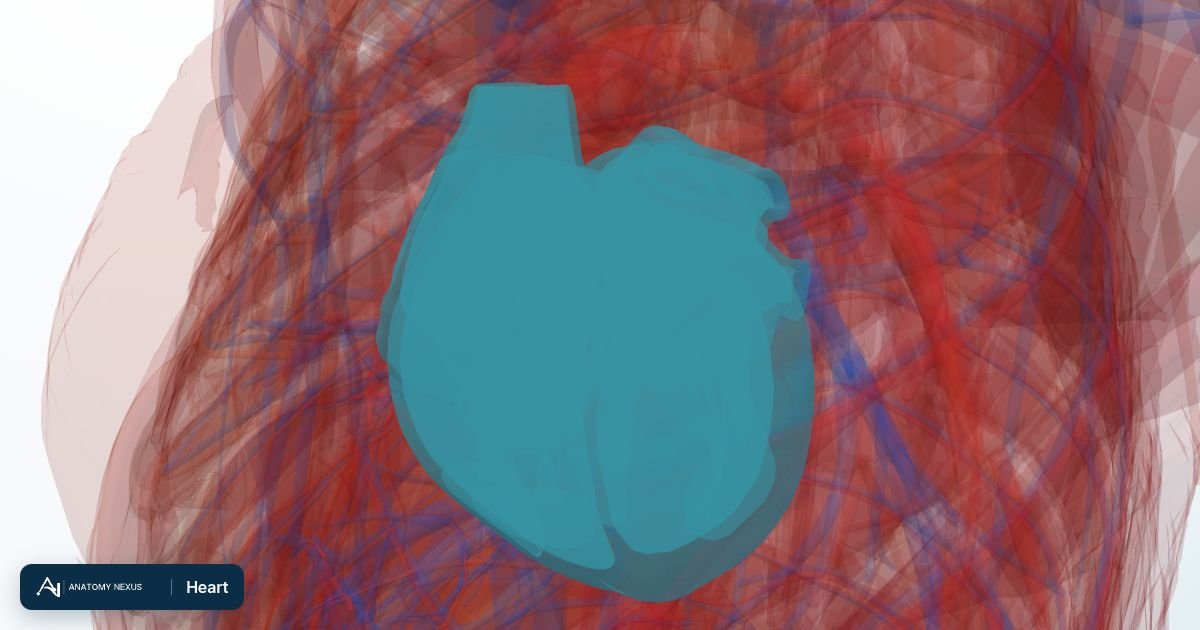
Overview
Heart failure is the end result of damage from heart attacks, high blood pressure, valve disease or cardiomyopathy. Blood backs up behind the failing ventricle: fluid in the lungs causes breathlessness, fluid in the tissues causes swelling. It is a chronic condition managed with drugs that reduce the heart's workload and, in some cases, devices.
Causes
- Coronary artery disease and previous heart attacks
- High blood pressure
- Valve disease
- Cardiomyopathies (genetic, viral, alcohol, chemotherapy)
- Atrial fibrillation
- Congenital heart disease
Risk factors
- Age
- Diabetes
- Obesity
- Smoking
- Excess alcohol
Symptoms
What a clinician may find
- Raised jugular venous pressure
- Crackles at the lung bases
- Pitting ankle oedema
- Enlarged liver
- Third heart sound
Complications
- Pulmonary oedema (acute breathlessness)
- Kidney impairment
- Arrhythmias and sudden death
- Repeated hospital admissions
Diagnosis
Blood natriuretic peptide (BNP) is raised; echocardiography measures the ejection fraction and finds the cause. ECG, chest X-ray and blood tests for kidney function and anaemia complete the picture.
Treatment
Diuretics relieve fluid overload; ACE inhibitors or ARNI, beta blockers, mineralocorticoid antagonists and SGLT2 inhibitors prolong life in reduced ejection fraction. Salt and fluid moderation, daily weights, vaccination and exercise rehabilitation. Selected patients receive pacemakers, defibrillators or, rarely, transplantation.
Prevention
Treating blood pressure and coronary disease early, limiting alcohol, and controlling diabetes.
When to seek care
Seek urgent help for breathlessness at rest, waking at night gasping, pink frothy sputum, chest pain, fainting, or rapid weight gain (more than 2 kg in three days).