



Angiotensin II type 1 (AT1) receptor
Also known as: AT1 receptor, angiotensin receptor, AGTR1
The receptor through which angiotensin II constricts arteries, releases aldosterone and drives the thickening of heart and vessel walls. Angiotensin receptor blockers (losartan, candesartan, valsartan) occupy it so that angiotensin II cannot act.
- Kind
- receptor
- Also called
- AT1 receptor, angiotensin receptor, AGTR1
- Where it is found
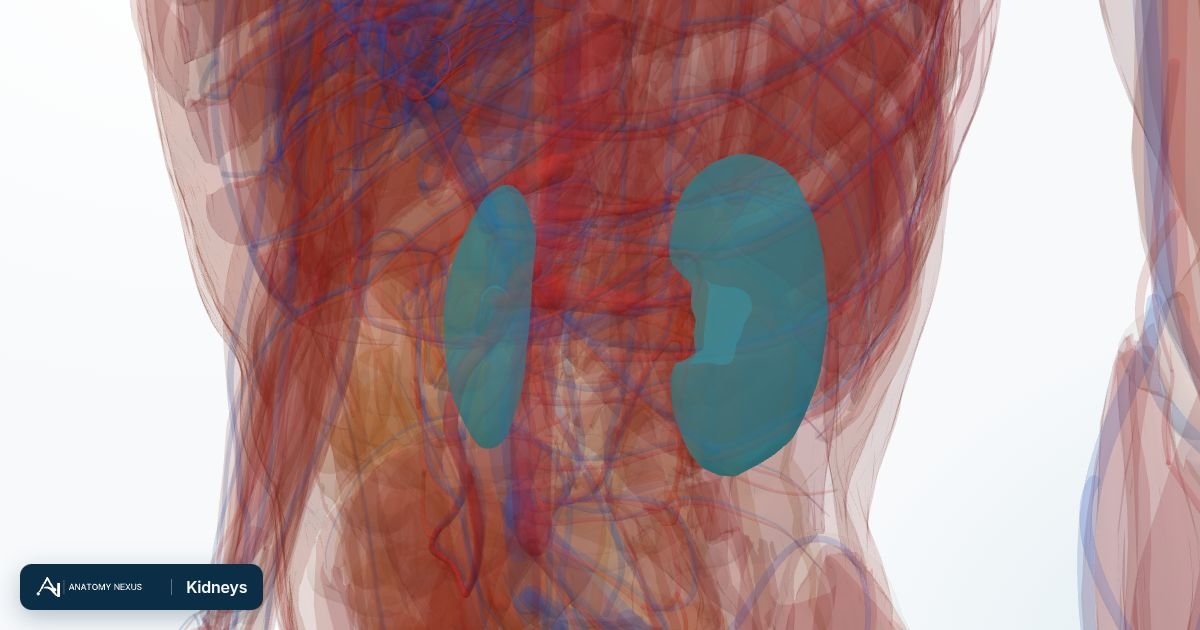
- Vascular smooth muscle, the adrenal cortex (zona glomerulosa), the kidney's afferent and efferent arterioles and tubules, the heart, the brain and the sympathetic nerve endings.
What it does
Angiotensin II is the final product of the renin–angiotensin system, released whenever the kidney senses low pressure or low salt. Acting on AT1 receptors it narrows arterioles within seconds, prompts the adrenal cortex to secrete aldosterone (which makes the kidney retain salt and water), constricts the efferent arteriole of the glomerulus to hold up filtration pressure, stimulates thirst and sympathetic activity, and over months promotes growth and fibrosis in the heart, arteries and kidney. Blocking AT1 therefore lowers blood pressure, reduces the strain on a failing heart, lowers pressure inside the glomerulus (which protects diabetic kidneys but can drop filtration if the renal arteries are narrowed) and raises potassium by removing the aldosterone signal. ACE inhibitors act one step upstream by preventing angiotensin II from being made at all.
Role in the body
Vasoconstriction, aldosterone release, sodium and water retention, glomerular pressure control and long-term cardiovascular remodelling.